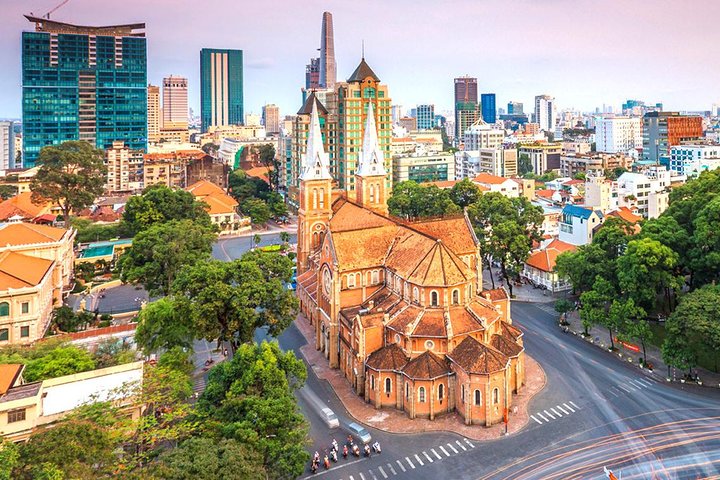
Ho Chi Minh City does not hide its past. It stacks it. French-era boulevards. Wartime landmarks. Chinese temples in Cho Lon that smell like incense and medicine shops. If you stay in the right place, history is not a day trip. It is the view from your balcony.
Saigon’s story is also a story of names changing. Streets that used to be Rue Catinat became Tự Do, then Đồng Khởi. Squares became symbols. Buildings switched purposes, then switched flags. The city’s most famous sights sit in District 1 and District 3, but the deeper texture. Markets, guild streets, temples, small churches. Lives in District 5.
The easiest way to “do history” here is to treat the city like a walking museum with bad traffic. District 1 gives you the colonial core, the riverfront, and the big civic buildings. District 3 adds the museum cluster and leafy, older streets. District 5 is Saigon’s Chinatown, which is where the city feels older, louder, and more local, with a different religious rhythm.
A note on expectations. The historic hotels are not sterile. Their charm is real, and so is the fact that a century-old building will feel different than a glass tower. These are hotels with personality, and their own long histories.
High-end Ho Chi Minh City hotels. Old Saigon views, modern comfort
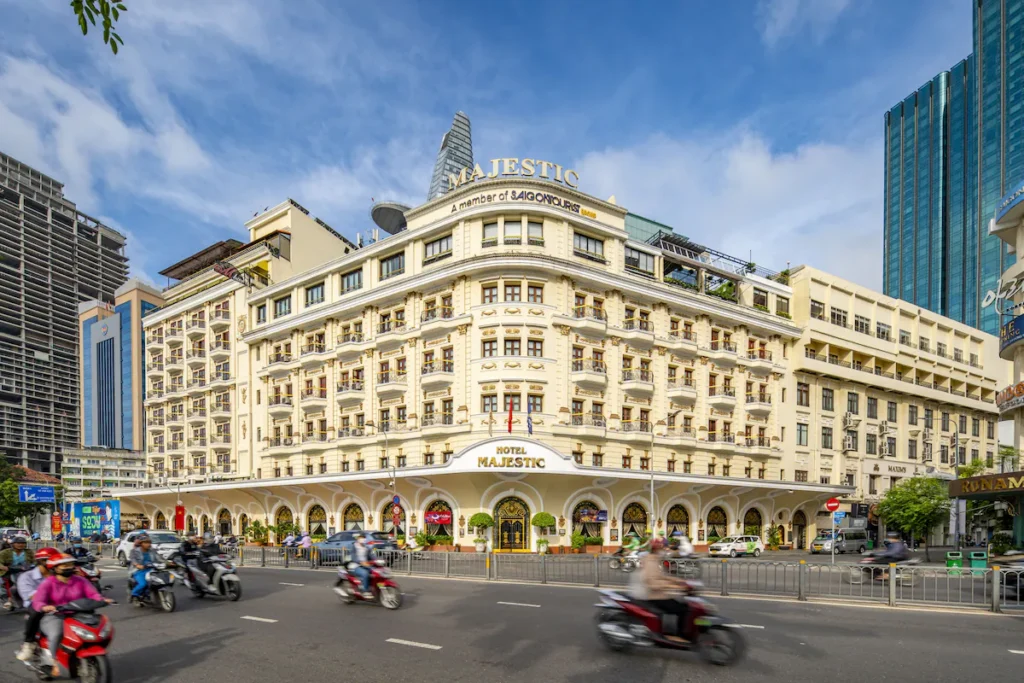
Hotel Majestic Saigon
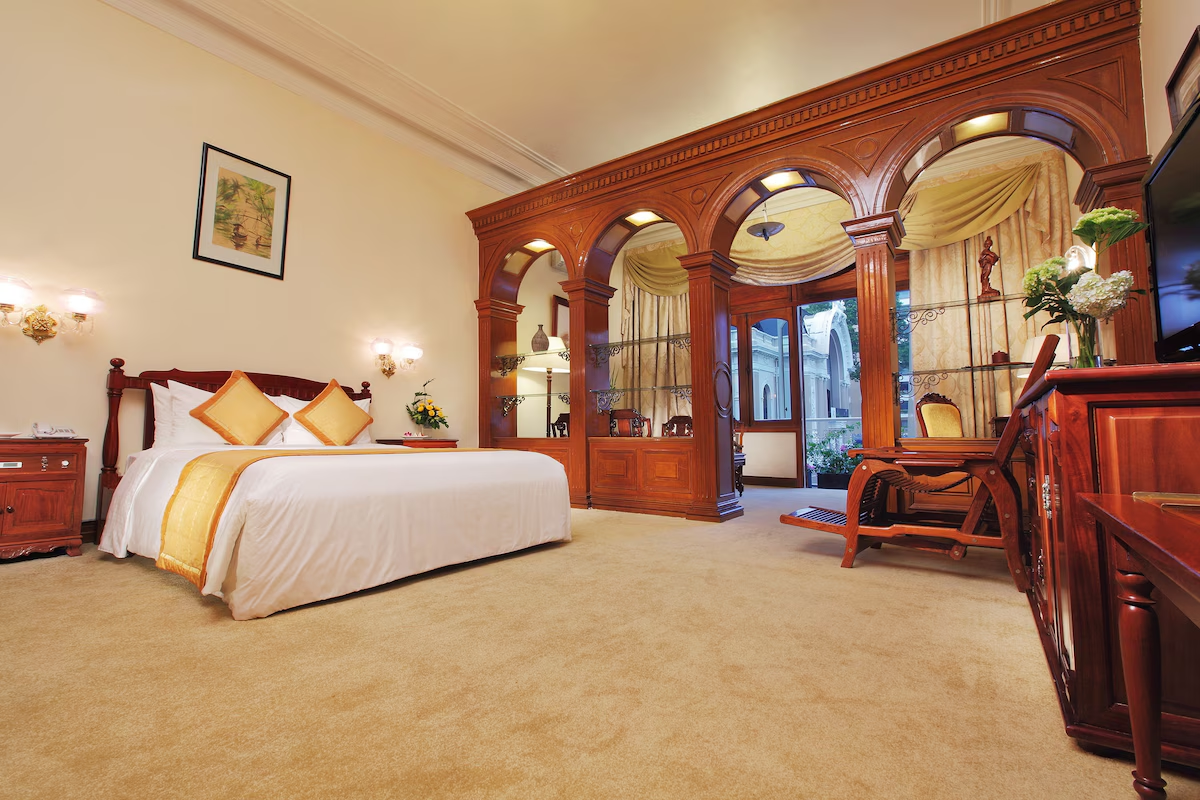
Old Saigon’s riverfront landmark, wearing its age like good tailoring. The hotel dates to 1925, and it still plays the part, with grand public spaces and a heritage feel that is hard to fake. Rooms skew traditional, with marble bathrooms and private balconies in many categories, so you get real breathing room instead of a “design story.”
The signature is upstairs. M Bar is the rooftop hang, with the Saigon River right there in your sightline, plus a skyline that looks better after dark. It is the kind of hotel where you can stay in-house for dinner and a drink and feel like you actually saw the city.
For me, this river bend is Saigon’s easiest place to read. Ho Chi Minh City Hall Square is a 1-minute walk, and Nguyen Hue Walking Street is 2 minutes on foot. The Saigon River is 3 minutes away, so you can step out, get your bearings, and still feel the breeze.
History lovers get a clean lineup from here. Nguyen Hue is your civic stage in 2 minutes, and the City Hall area is right beside it. Ben Thanh Market is a 12-minute walk when you want the city’s older commercial heartbeat without committing to a long trek.
Hotel Continental Saigon
The theatre-square classic. Continental is one of those rare Saigon hotels where the building itself is the point, and not just as a place to stay. You get a full-service setup, with a proper restaurant on-site, a garden and terrace, and a health club.
The atmosphere is old-school in the best way. It is a place that makes you slow down naturally, because the setting is already doing the talking. If you want a hotel that feels like it belongs to Saigon’s historic core, this one does.
This square is Saigon’s loudest history lesson. The Opera House is a 2-minute walk, and Dong Khoi Street is 5 minutes on foot. You are also steps from Opera House Station, which makes the centre feel smaller than it looks on a map.
The history payoff is immediate. You are sleeping in the old theatre district, with the city’s colonial-era showpieces practically at your feet. When you walk out, you are already in the part of Saigon where the architecture starts doing the explaining for you.
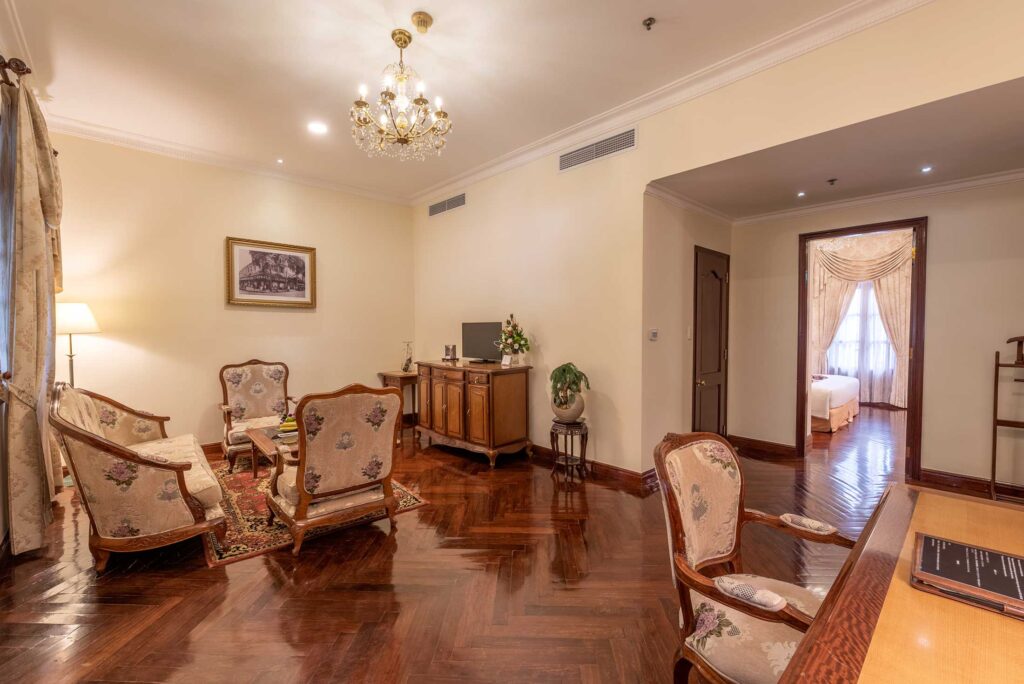
Hotel Grand Saigon
A grand-name hotel that actually earns it, in one of District 1’s most walkable strips. Grand Saigon sits right off Đồng Khởi, and it has the classic-hotel feel people come to Saigon looking for, without being trapped in nostalgia. Expect a full-service property with an outdoor pool and a rooftop bar, plus rooms that feel hotel-grade, not “boutique minimal.”
This is a good pick when you want history outside and a reliable, grown-up hotel inside. It has scale. It has staff. It has the sense that you are staying somewhere that has hosted people for a long time, not somewhere that was invented last Tuesday.
Dong Khoi is where Saigon shows its best manners. Dong Khoi Street is a 5-minute walk, and the Saigon Waterbus Station is also about 5 minutes on foot. The Opera House lands within a 10-minute walk, which keeps evenings simple.
For history lovers, this is a strong base for the old Saigon spine. Dong Khoi is the renamed descendant of Rue Catinat, which is basically the city’s colonial mainline. You get the riverfront in one direction and the civic core in the other, with the Opera House as your easy landmark when the street plan starts to blur.
Ho Chi Minh City hotels for history lovers. Central, comfortable, sensible
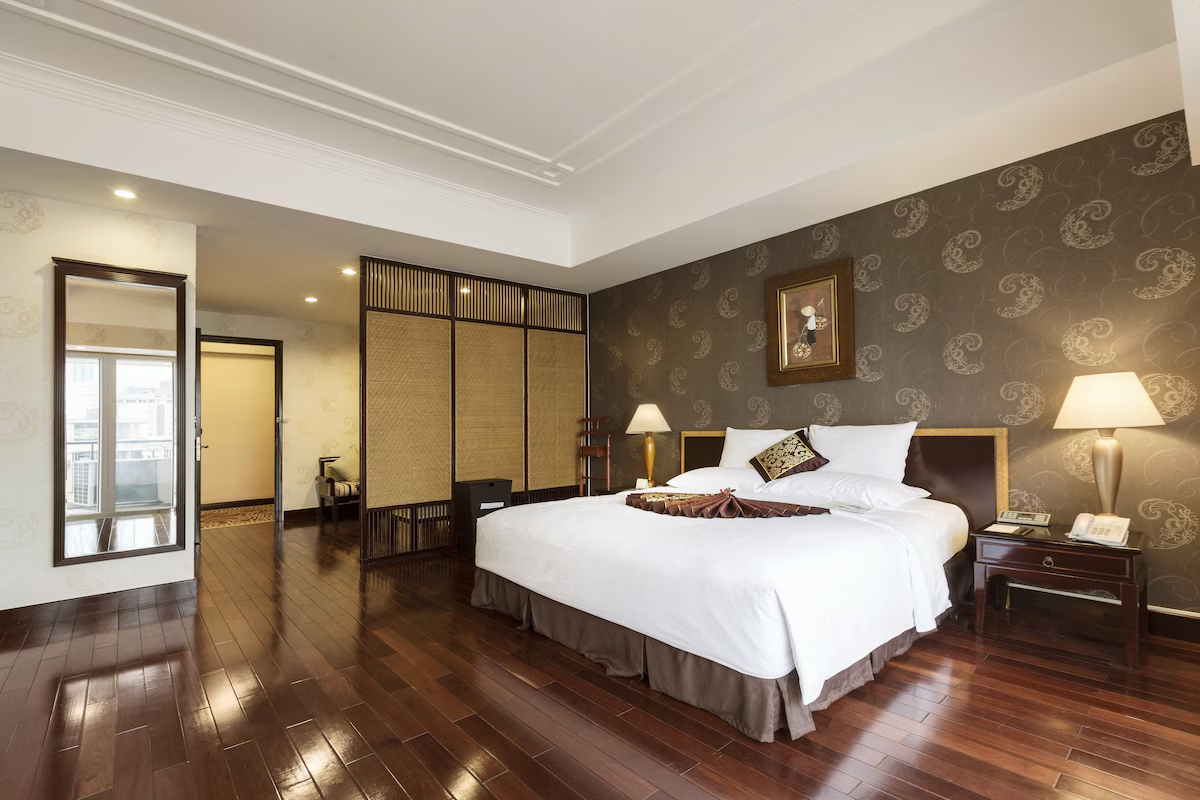
Rex Hotel Saigon
A big, old Saigon name with a very central footprint. Rex is a classic city hotel, and it feels like one, with the kind of busy lobby energy you expect from a place that has been part of the city’s public life for decades. There is a rooftop setup and pools, so you are not stuck in your room when you want air and space.
Rooms are on the larger, traditional side, and the overall tone is more “historic hotel” than “design hotel.” If you like the idea of staying somewhere that has witnessed things, Rex fits the brief.
My take is simple, Nguyen Hue is Saigon’s main stage. Ho Chi Minh City Hall is a 5-minute walk, and the Opera House is also within 5 minutes on foot. Ben Thanh Market and the Central Post Office sit within a 10-minute walk, so you can cover a lot without booking a car.
The history angle here is about proximity and symbolism. Nguyen Hue and the City Hall area is the civic heart of modern Saigon, and you can dip into it at any hour. When you want the classic colonial sights, the Opera House and the Central Post Office are close enough that you will actually go, not just plan to.
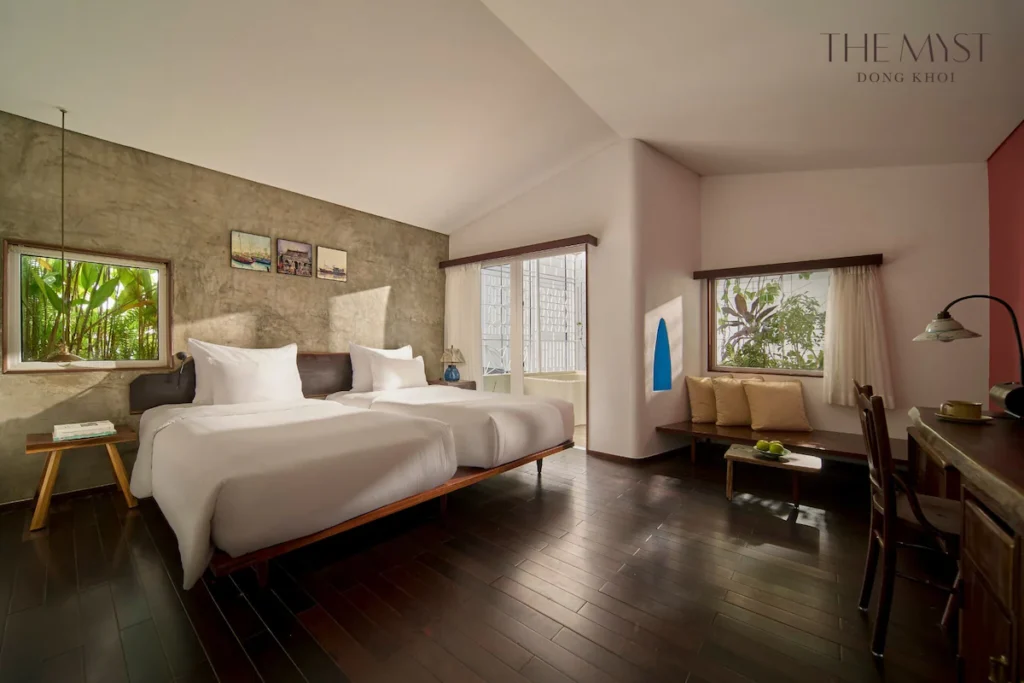
The Myst Dong Khoi
A boutique hotel that feels proudly local, not copy-pasted. The Myst builds its identity around Saigon design cues, with rich materials and a slightly theatrical eye. Expect details you can point to, like stained glass, hardwood floors, and wrought-iron touches, plus a mood that feels closer to an old Saigon home than a corporate hotel.
It also gives you the kind of small-hotel advantages that matter in a dense city. You get personality, and you get a calmer feel than the big lobbies nearby. It is a good choice when you want history outside, but you do not want your hotel to feel like a museum.
This stretch is Saigon’s best walk for architecture. Dong Khoi Street is a 5-minute walk, and the Saigon River is also about 5 minutes on foot. The Opera House comes in within 10 minutes, so you can keep your sightseeing on foot.
For history lovers, The Myst is about living inside the old centre without staying in a literal heritage building. Dong Khoi is Saigon’s famous renamed boulevard, and it is packed with colonial-era landmarks and surviving façades. You can do the Opera House, riverfront, and the old commercial core in one loop, then disappear back into a hotel that still feels like Saigon.
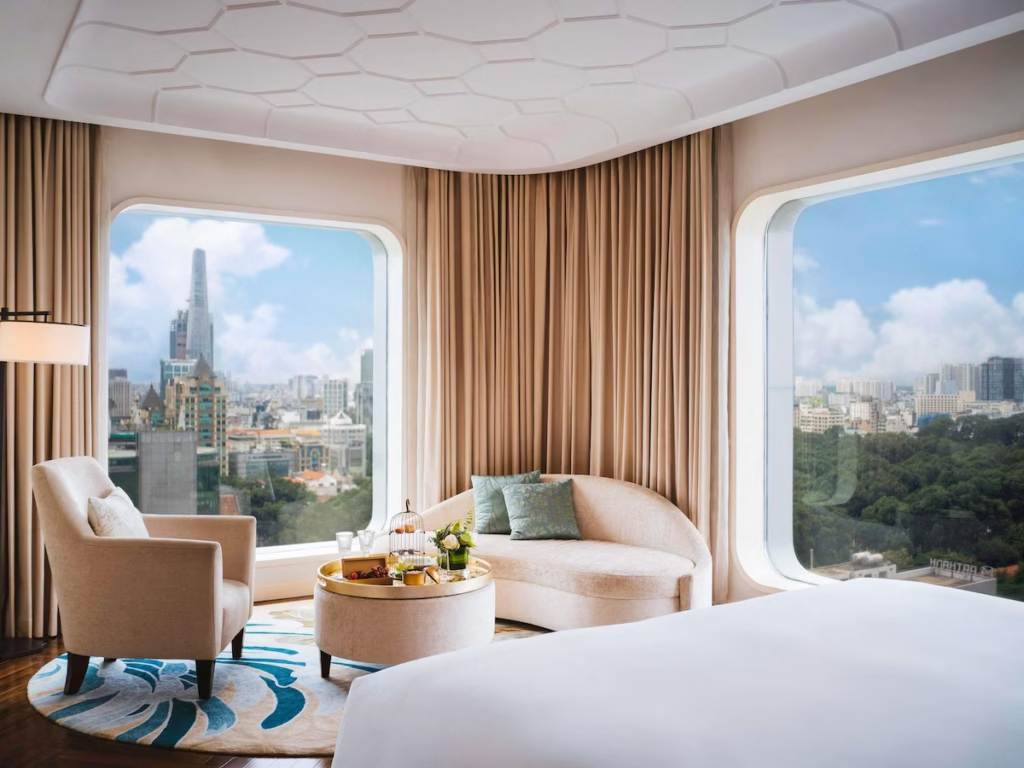
Hôtel des Arts Saigon, MGallery Collection
A polished, design hotel in District 3, which is the city’s museum zone. The look nods to French-colonial glamour without turning into costume. The headline feature is up top, with a rooftop pool and a roof bar feel that makes the skyline part of the experience. There is also a proper gym, so it works as a real hotel, not just a pretty one.
Rooms are sleek and urban, and the tone is more “boutique city hotel” than “heritage lodge.” If you want history by day and a crisp, modern room at night, this lands nicely.
I think District 3 is where the museums stop feeling like errands. Notre-Dame Basilica is a 10-minute walk, and the Central Post Office is also about 10 minutes on foot. The War Remnants Museum and Independence Palace come in within 15 minutes, so the big-ticket history is close.
This is one of the easiest setups for a history-heavy itinerary. You can do the French-era landmarks, then pivot straight into Vietnam War-era sites without crossing half the city. When your feet give up, you are still close enough to drop back, cool off, and head out again.
Budget-friendly Ho Chi Minh City hotels. Live inside history, pay less
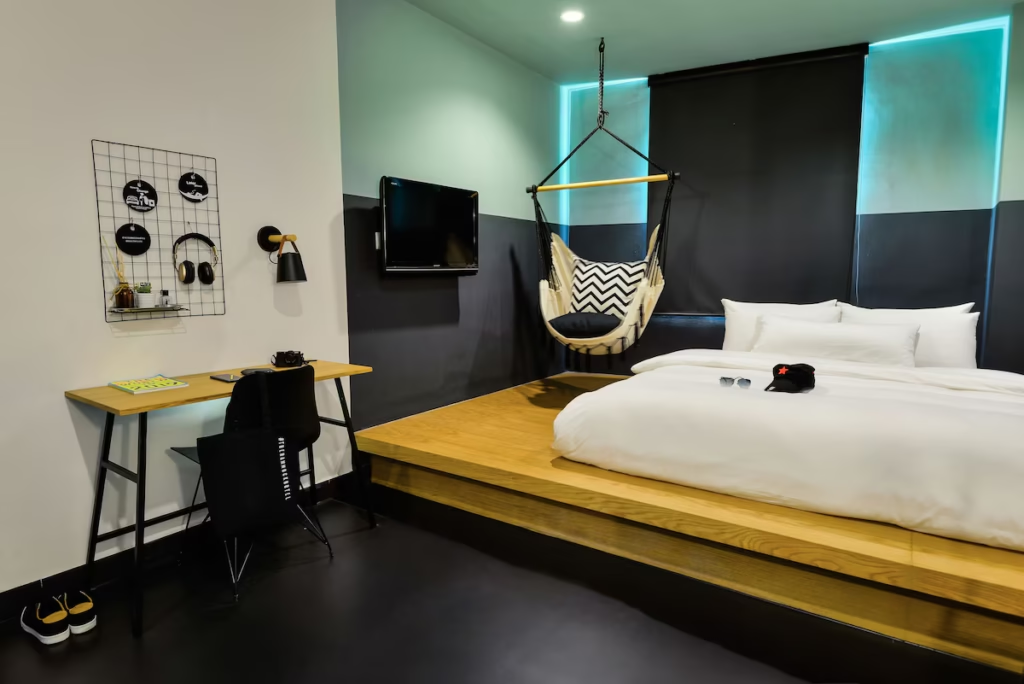
The Hammock Hotel Fine Arts Museum
A small, high-energy hotel that treats “budget” like a clever concept instead of a limitation. The signature detail is literal. Many rooms include an actual hammock, and the whole place is built around low-friction living, with a rooftop terrace vibe and a lounge feel that encourages hanging around. Another real advantage is the free-flow pantry style communal kitchem, with drinks and snacks that keep the day simple when you do not want to stop for basics.
The setup is modern, compact, and social without being a party hostel. It is a smart pick when you want something affordable that still feels like a curated stay, not a compromise.
Nguyen Thai Binh is a sneakily perfect cultural block. The Museum of Fine Arts is a 10-minute walk, and Ben Thanh Market is also within 10 minutes on foot. Ben Thanh Station is a 5-minute walk, and Opera House Station is 9 minutes away, so you can move around without guessing.
History lovers get a tight radius here. The Fine Arts Museum gives you a beautiful building and an easy cultural stop, and Ben Thanh pulls you into the older commercial core in the same short walk. This is the kind of location that makes you actually do the smaller museums and street-level history, not only the headline sights.
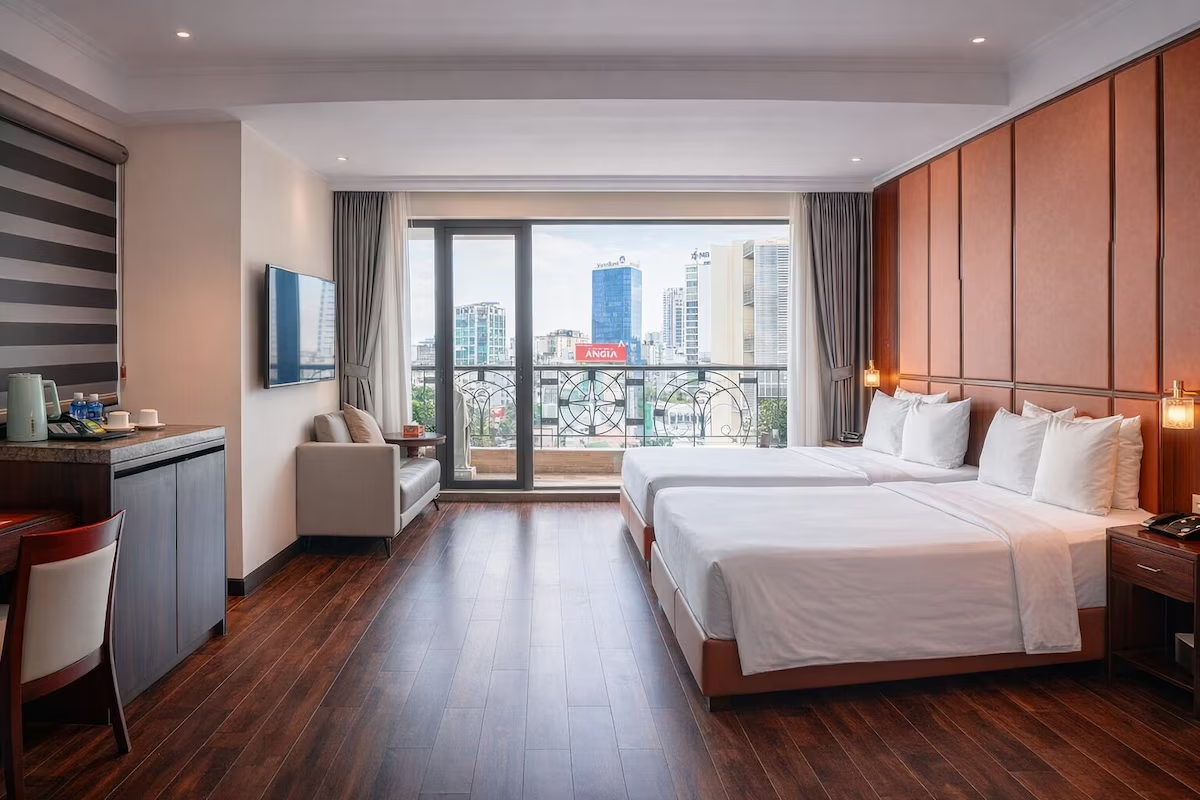
Bon Ami Hotel
A no-nonsense District 1 hotel that wins on being planted in the middle of everything. You get a restaurant on-site for easy meals, and the hotel’s whole identity is convenience, not theatrics. Rooms are simple and functional, with a classic city-hotel vibe that fits the Ben Thanh area.
This is the pick for travelers who want to spend their time outside. When your hotel is this close to the sights, the room becomes what it should be. A place to sleep, shower, and step back into the city.
If you ask me, Ben Thanh is Saigon’s most useful crossroads. Ben Thanh Market is a 2-minute walk, and Saigon Square is 3 minutes on foot. Ho Chi Minh City Hall is 7 minutes away, and the Opera House is an 8-minute walk when you want the classic colonial district without effort.
For history lovers, this location is a cheat code. You can go from the market to the old civic centre on foot, with Notre-Dame Basilica about 10 minutes away when you keep walking. It is the difference between “I’ll see that later” and actually seeing it.
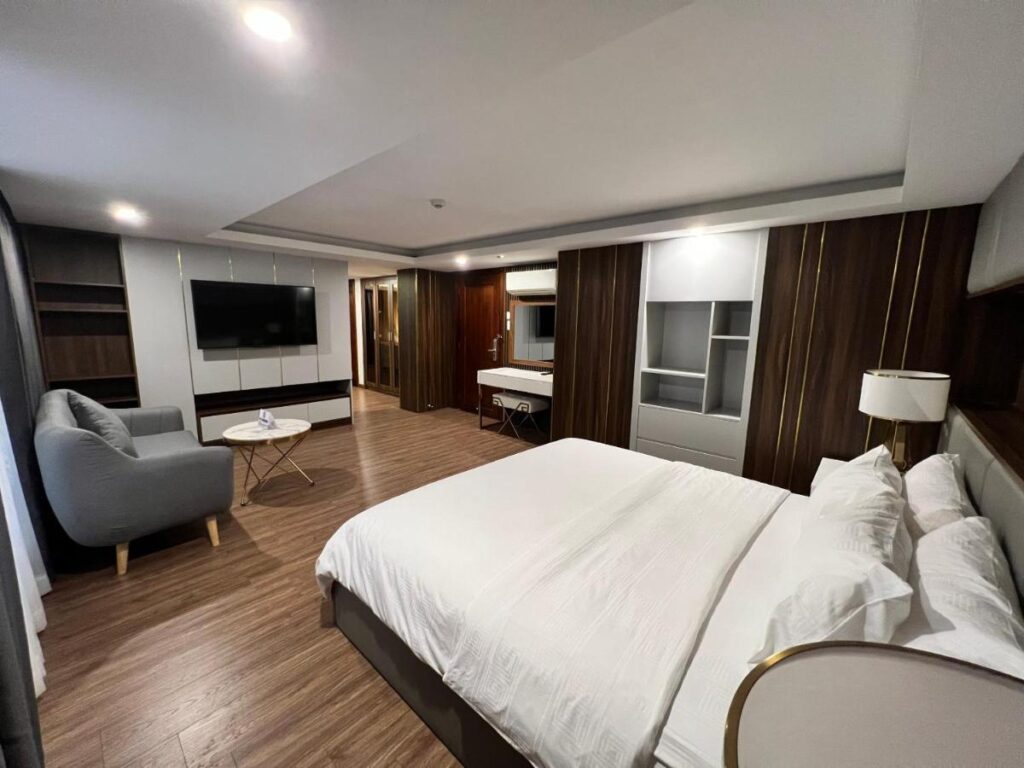
Nam Hy 1 Hotel
A small District 5 stay that drops you into Cho Lon, which is a different city inside the city. Expect a simple, budget-minded setup with practical basics, including air-conditioning, a terrace, and shared spaces that make it feel more like a local hotel than a tourist product. There is also on-site food and drink, which matters in a neighbourhood where eating is half the point.
This is not polished luxury. It is a clean, functional way to put yourself inside Saigon’s Chinese-Vietnamese heartland, where the sights are lived-in, not staged.
I’m convinced Cho Lon is Saigon’s deepest layer of everyday history. An Dong Plaza is about a 15-minute walk, and District 1 takes roughly 10 minutes by taxi. That puts you close to the city centre when you want it, but keeps your nights in a more local rhythm.
History lovers come here for the streets, not a checklist. District 5 is where temples, markets, and Chinese-Vietnamese culture are the point, not an add-on. If you want to understand Saigon beyond the colonial facades, this is the part that changes the picture.
Final thoughts
Living inside Saigon’s history is mostly about choosing your location. District 1 gives you the grand colonial showpieces and the riverfront. District 3 gives you museums and the war-era sites in a walkable bundle. District 5 gives you Cho Lon, which is where the city feels older, louder, and more textured.
My advice is to pick one historic hotel if that idea thrills you, and let it be the anchor. Then balance it with modern comforts and luxury when you want a break from the old romance and creaky charm. Saigon rewards both moods.
Most of all, do not treat “history” like one building. In this city, history is also street names, shopfronts, churches squeezed between modern blocks, and the fact that you can eat a bowl of noodles under a temple lantern, made by the same family and with the same recipe for a hundred years, and still be in a global megacity.
