Nepal is one of the world’s most “authenic” countries. Not because it’s quiet. It isn’t, not all of it. Kathmandu can hit like a wall of sound and scooters. Trails can humble you fast. Weather changes plans. Nepal rewards travelers who arrive with a little patience and a lot of spirit of adventure.
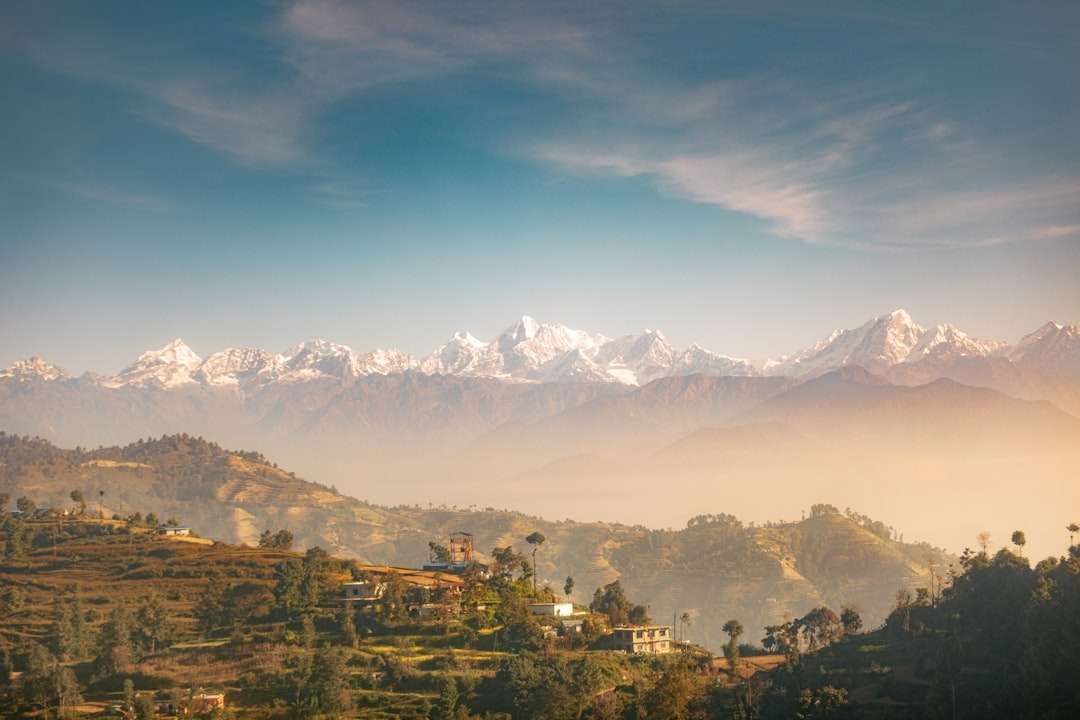
The magic sits in the mountains, and the contrast between them and Nepal’s southen flatlands. Nepal holds eight of the world’s fourteen 8,000-meter peaks, including Everest at 8,848m. Yet the country also drops into the subtropical Terai, where jungle and wildlife replace altitude and cold air. That variety is why Nepal trips can feel like three different journeys stitched together.
A soft landing in Nepal means choosing places that remove friction early. Good sleep. Helpful staff. Calm spaces that make the first days smoother, especially if you’re adjusting to the pace, the dust, or the altitude. Get the start right and Nepal opens up fast.
| Place | What actually goes on | Why it works | Who it suits |
|---|---|---|---|
| Kathmandu | Dense historic core, temples, markets, Thamel logistics | Best arrival base. Culture is immediate and transport links are strongest | First-timers, culture-focused trips, trek transitions |
| Pokhara | Phewa Lake, mountain views, cafés, gentle day-to-day movement | Easy decompression point before or after trekking and rafting | Soft landings, couples, nature without effort |
| Chitwan | Jungle lodge rhythm, river edges, safaris, heat | Nepal’s wildlife counterweight to the mountains | Families, nature travelers, slower itineraries |
| Lumbini | Pilgrimage zone, monasteries, open space | Quiet, structured sightseeing with spiritual weight | Slow travel, cultural depth, recovery days |
| Jomsom | High-altitude hub for Mustang, wind, stark landscapes | Practical staging point on the way to Muktinath or Everest | Trekkers, Mustang routes, altitude adjustment |
| Muktinath | Pilgrimage town near one of the world’s highest temples | A meaningful stop, but built around basics | Pilgrims, Mustang travelers, focused itineraries |
Kathmandu, where the noise holds centuries
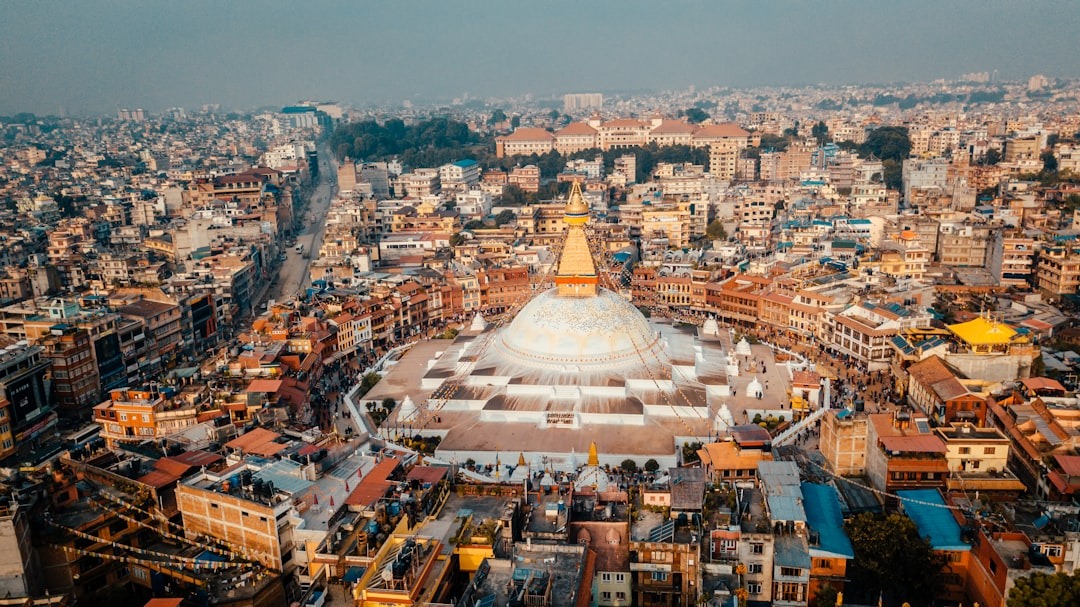
Kathmandu is Nepal’s capital. A city of courtyards and chaos, where sacred sites sit beside workshops, markets, and small shrines that still run daily life. It’s also one of Asia’s densest heritage zones. The Kathmandu Valley’s UNESCO clusters include the main Durbar Squares, Boudhanath and Swayambhunath stupas, and major temples like Pashupatinath.
The city’s geography shapes the experience. Kathmandu sits at about 1,400 meters above sea level, inside a bowl-like valley, which keeps the air cooler than the plains and makes it a comfortable first stop before heading higher. It also means the city can trap dust and traffic noise, especially during busy seasons. Choosing a hotel that gives you quiet and space pays off fast.
Kathmandu also works as a staging ground. You can lock in practical errands in Thamel, then switch to deep history in Patan or Bhaktapur, or step into the Buddhist circuit around Boudhanath. Most travelers end up doing a mix. Your “soft landing” hotel is what makes that mix enjoyable, instead of exhausting.
Dwarika’s Hotel
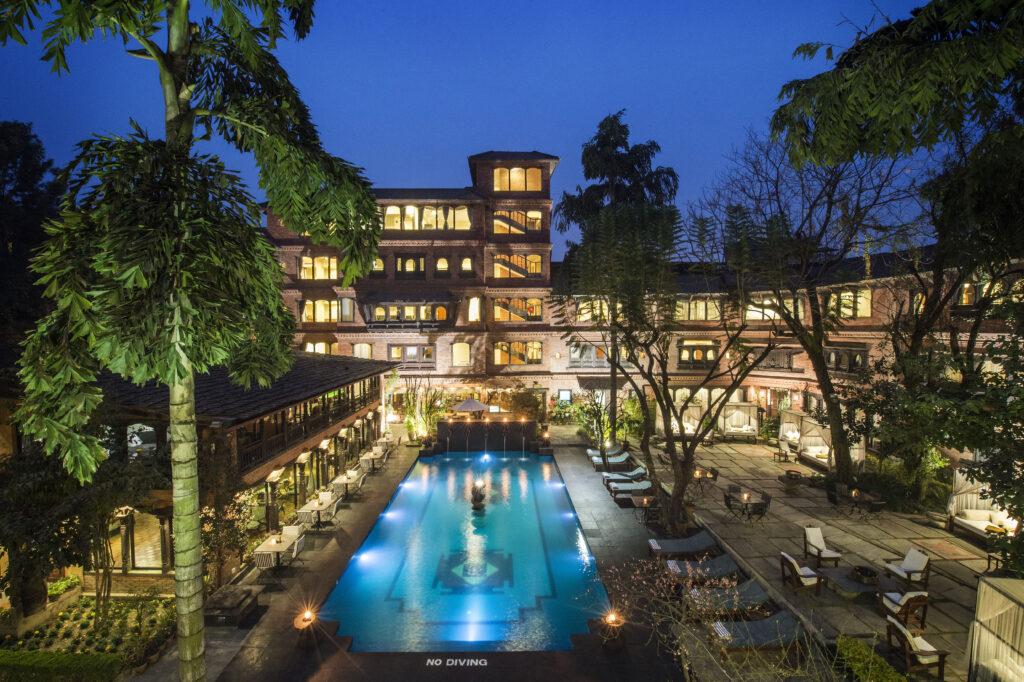
Dwarika’s Hotel is built around rescued traditional carpentry and old Newari homes, which gives the property a museum like quality. Rooms and suites feature carved woodwork, terracotta tiles, and locally made furnishings, creating an authentic feel that highlights Nepali craftsmanship.
The hotel includes several restaurants and a courtyard pool inspired by historic royal baths. Its spa focuses on regional treatments, and guests often praise the sense of calm and the cultural depth that the property brings to a stay in Kathmandu.
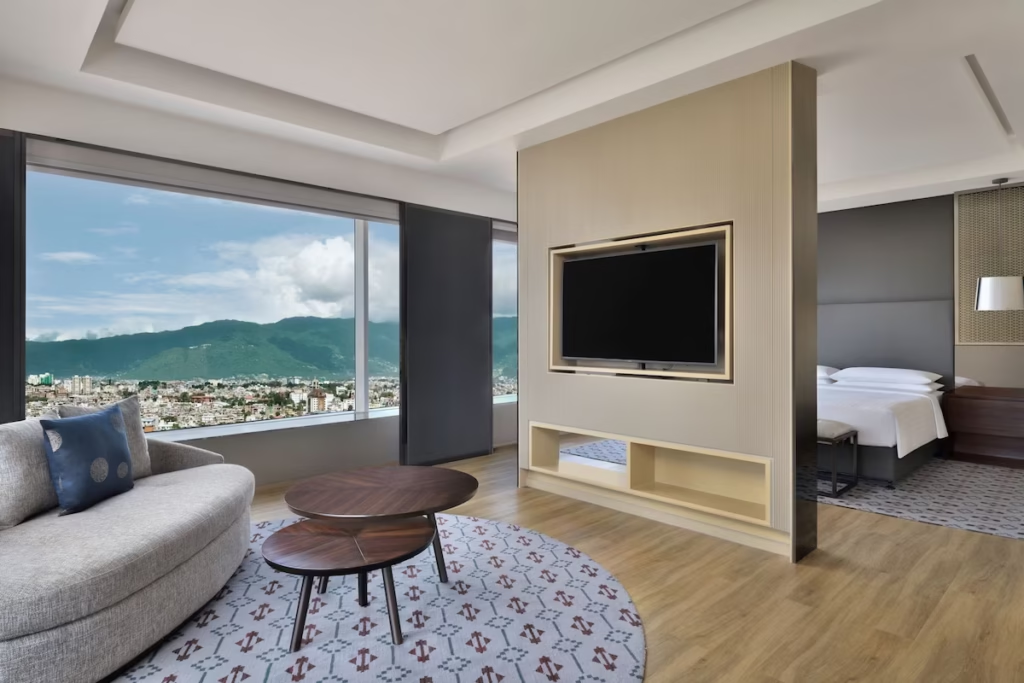
Kathmandu Marriott Hotel
Hyatt Regency Kathmandu sits on huge grounds near Boudhanath Stupa, offering a resort like atmosphere close to the city center. The architecture draws on local motifs and the rooms overlook gardens or the stupa, giving a quiet, green setting for arrival.
Facilities include a large outdoor pool, fitness and spa options, jogging paths, and multiple dining venues that suit families, mountaineers, and business travelers alike. The hotel is practical for visitors who want easy access to pilgrimage sites and city attractions while staying in a tranquil environment.
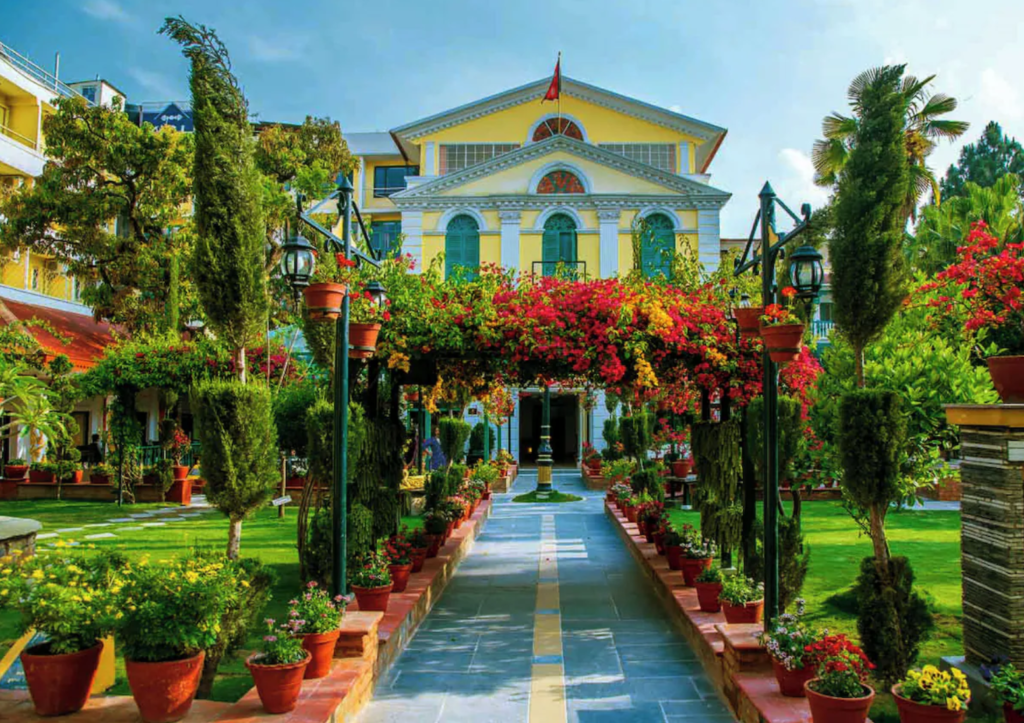
Kathmandu Guest House
Kathmandu Guest House is a long established property in the heart of the Thamel neighborhood, Kathmandu’s main tourist district. Known for its green front garden and heritage charm. The building dates back decades and combines old style architecture with comfortable rooms and a welcoming atmosphere.
Beyond lodging, the guest house hosts a small museum of Nepali art and spaces where local artists display work. Its central location makes it simple to reach shops, restaurants, and transport, while the gardens provide a calm retreat from the busy streets.
Pokhara, Nepal’s easiest exhale
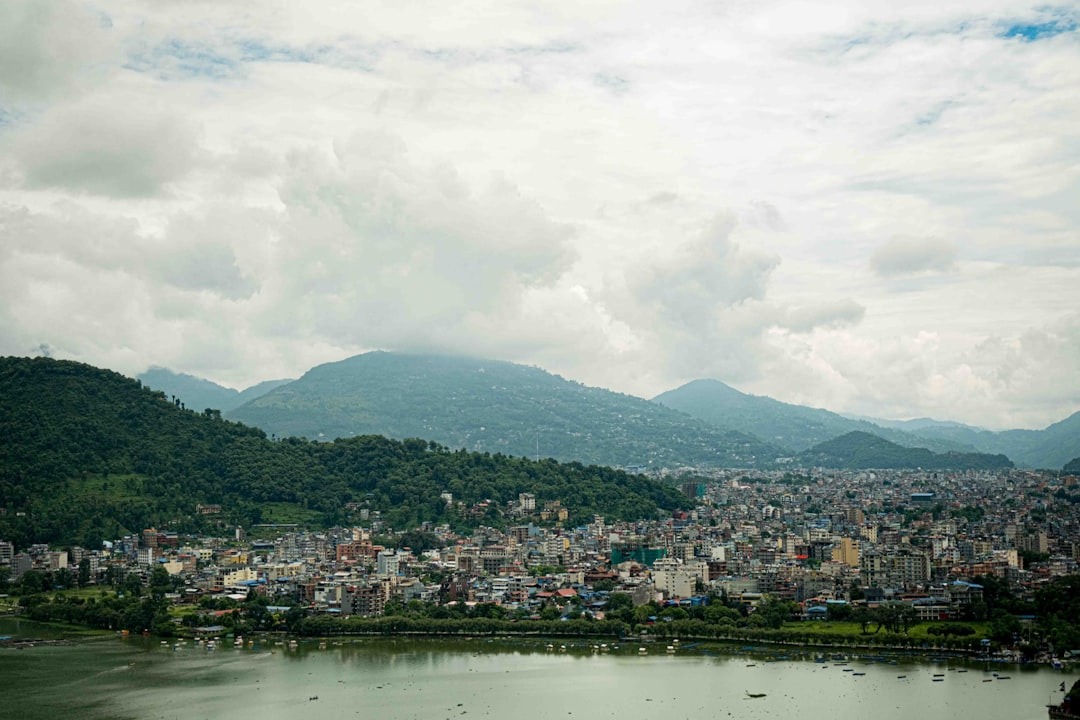
Pokhara is Nepal’s pause button. It sits at 822 meters above sea level, on the eastern shore of Phewa Lake, with the Annapurna range sitting close enough to dominate the skyline on clear days. It’s the gateway city for the Annapurna region, so it pulls in trekkers, families, and anyone who wants mountain scenery without committing to serious effort.
Lakeside is the only area that makes sense for a true soft landing. It’s where the cafés are, where you can walk without planning, and where the lake is part of daily life. Boats drift out to Tal Barahi Temple, which sits on an island in the middle of the water and anchors the whole shoreline visually and culturally.
The key is choosing the right pocket of Lakeside. Some stretches are busy and bright at night. Others sit back behind gates and gardens. In Pokhara, the best hotels keep you close to the lake’s, then give you quiet once you’re inside.
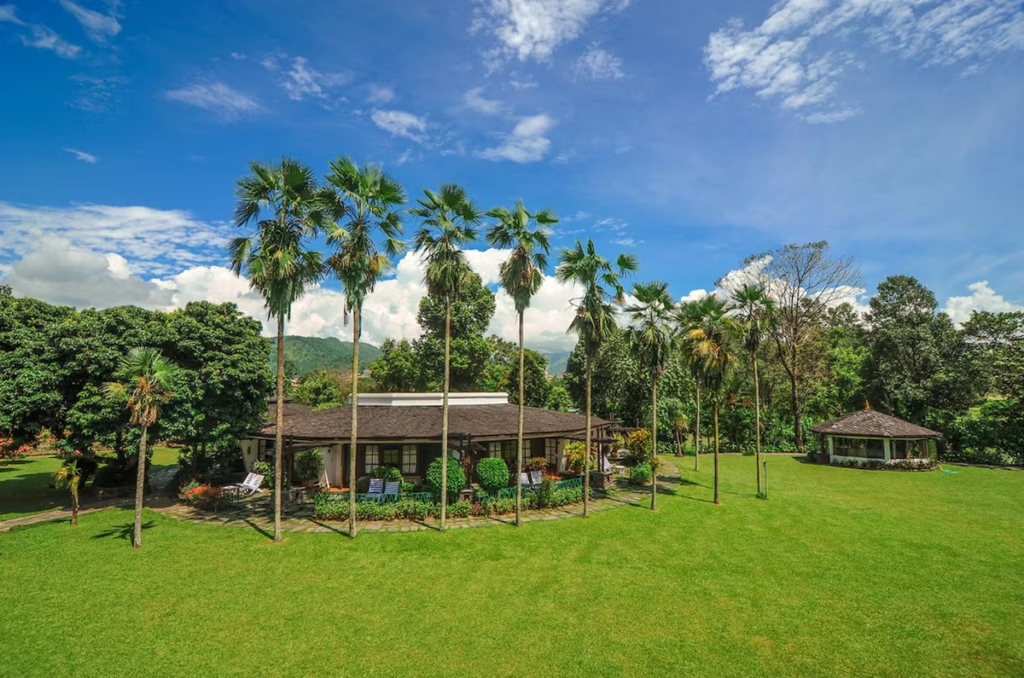
Fish Tail Lodge by Annapurna
Fish Tail Lodge is a classic for a reason. It sits on its own peninsula, surrounded by water and greenery, with views that make the whole place feel slightly unreal in the best way. The layout is low-rise and relaxed, the grounds are generous, and the pool and open space give you that rare “I can actually slow down” sensation.
The location is its own experience. You reach the property by a short boat crossing from Lakeside, which creates instant separation from the busy shore. You’re still minutes from Pokhara’s restaurants and shops, but the lodge stays quiet and self-contained once you’re back on its side of the lake.
Hotel Barahi Pokhara
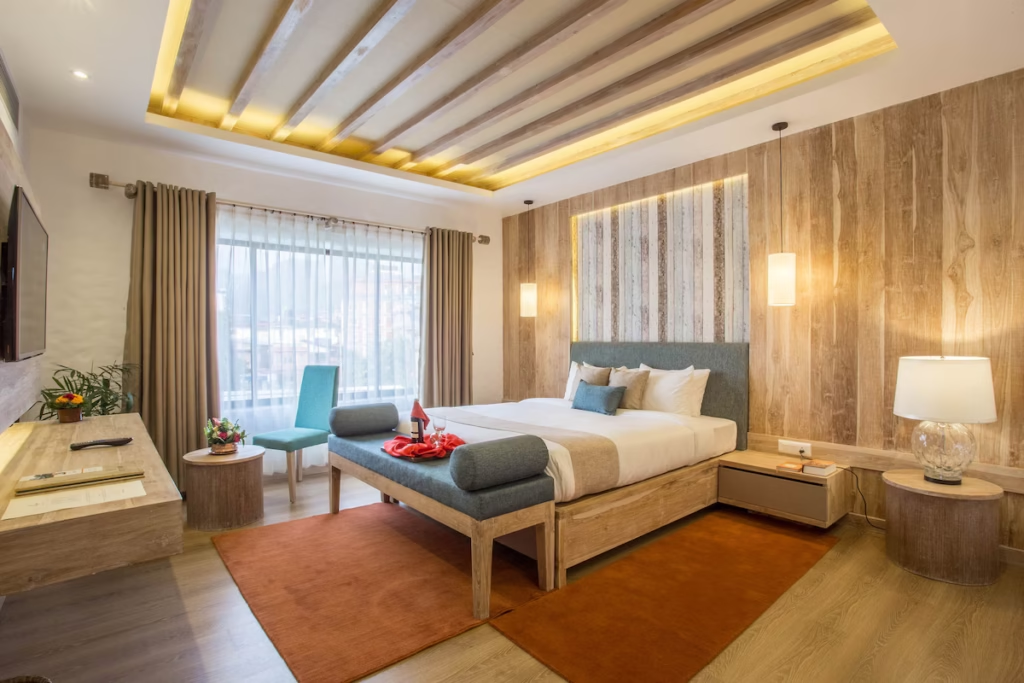
Hotel Barahi is a long-running Lakeside classic that’s been updated without losing its identity. Rooms are polished and comfortable, the pool is a proper feature, and the property runs like a full-service resort without being oversized. The spa and on-site dining help too, especially if you want an easy day without planning anything.
It sits right on the Lakeside strip, close to Phewa Lake and the main restaurant zone, which keeps everything walkable and flexible. This is the kind of address where you can step out for the lake, shops, and cafés in minutes, then come back behind the gates to something calmer and more contained.
Temple Tree Resort & Spa
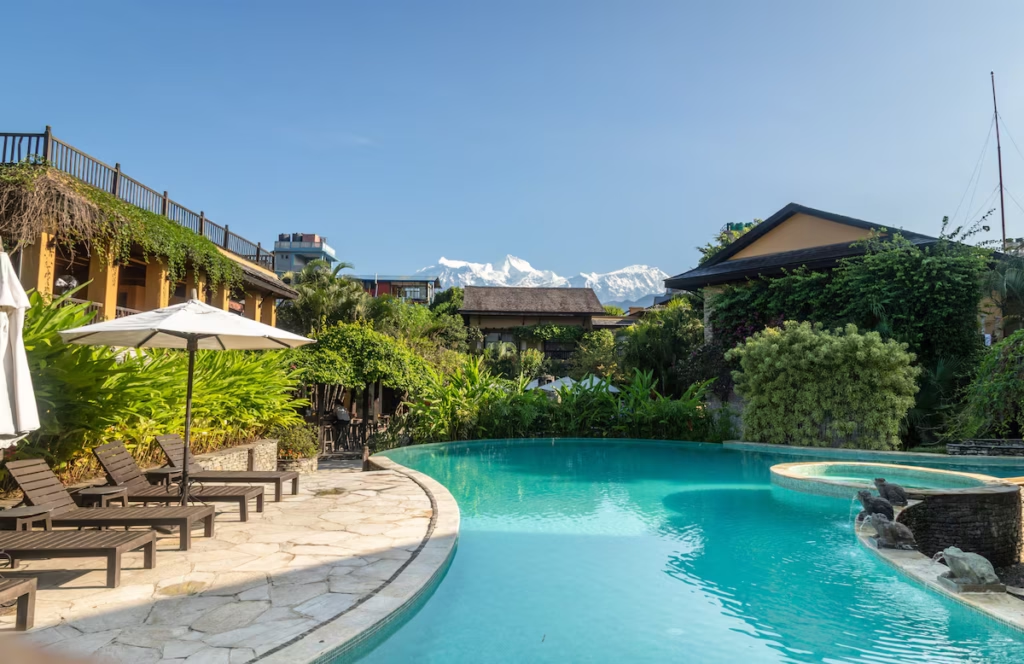
Temple Tree blends boutique design with resort comfort, with a private garden in central Lakeside. The architecture nods to traditional forms without going theatrical, and the property runs on calm routines: clean rooms, a pleasant pool area, and a pace that makes sense after a long travel day.
It’s about 150 meters from Phewa Lake, which puts you close to the waterfront without living on the loudest strip. Restaurants, shops, and boat points are an easy walk, and the airport is a quick drive when you’re moving on.
Chitwan, Nepal, but subtropical
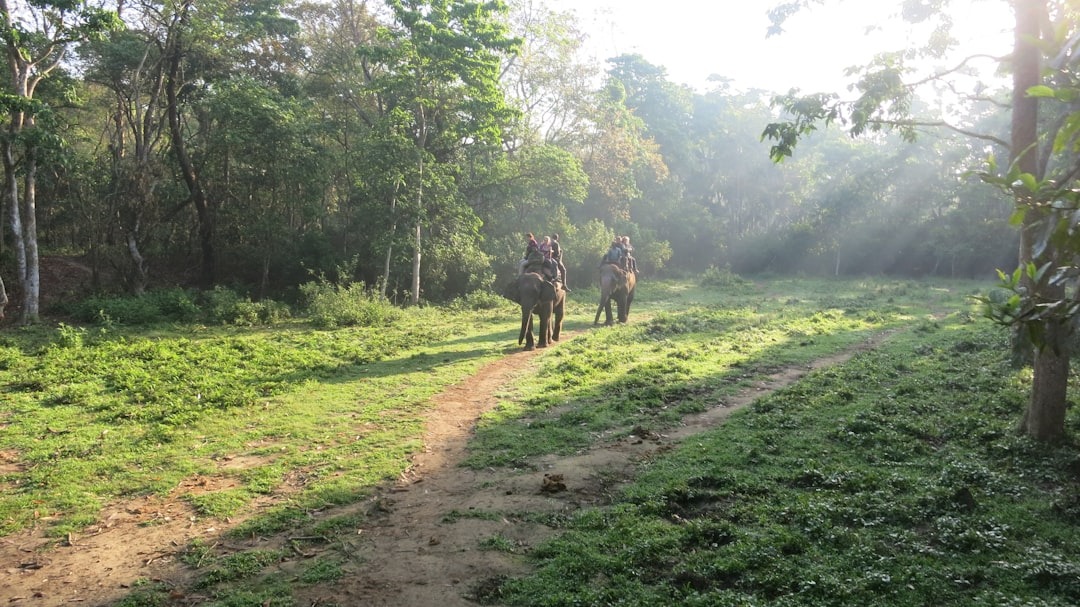
Chitwan is Nepal’s lowland reset button. A UNESCO-listed national park in the subtropical Terai, it protects one of South Asia’s most important pockets of wildlife, including the greater one-horned rhinoceros and the Bengal tiger. It’s also Nepal’s first national park, established in 1973, which gives the place a long track record of conservation and infrastructure that actually works.
The landscape is full of variety. Sal forest, open grassland, and river systems like the Rapti and Narayani create the mix that keeps sightings possible and days varied. Chitwan’s “signature” activities are jeep safaris and river time, with canoe sections that bring gharials and birdlife into the frame without turning the whole experience into a theme park.
On the ground, most travelers base themselves around Sauraha or Meghauli, depending on whether they want more restaurants and comfort nearby, or more space and quiet at the edge. Chitwan is an easy add-on from Kathmandu or Pokhara by road, and it lands well after long flights because the pace drops instantly, even when the surroundings stay vivid.
Green Park Chitwan
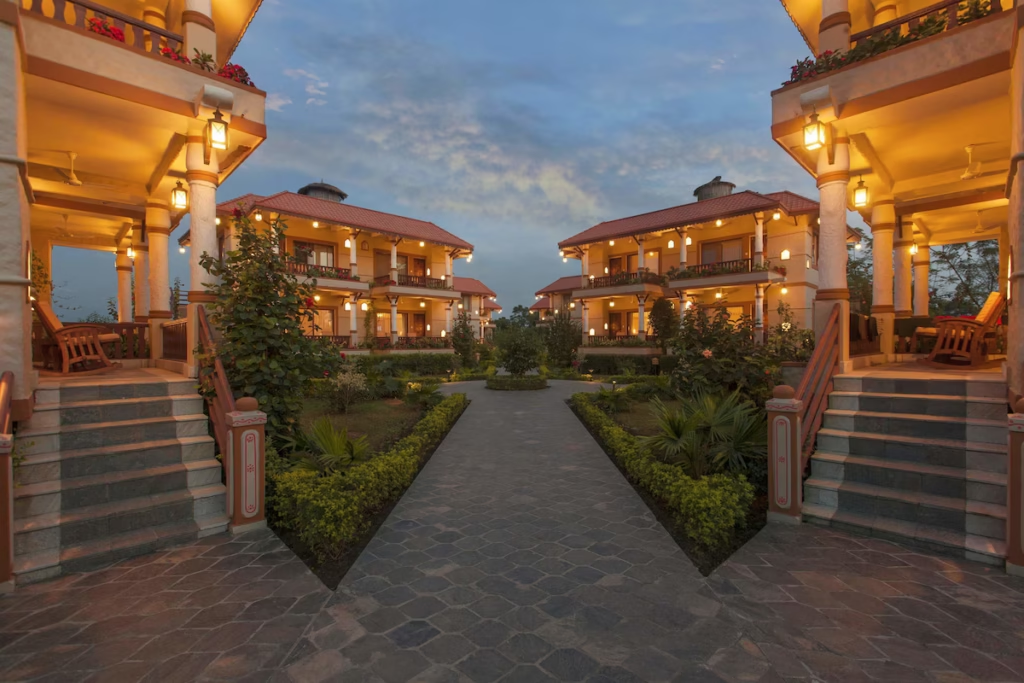
Green Park is a comfortable, well-equipped base with a strong resort layout, including a pool and generous outdoor space. It’s a good “arrive, exhale, reset” property, especially if you’re coming from dusty road travel.
It’s within about 300 meters of the Rapti River, Chitwan National Park, and the Elephant Riding Point area, which puts you close to the park edge while still being near Sauraha’s services and transport links.
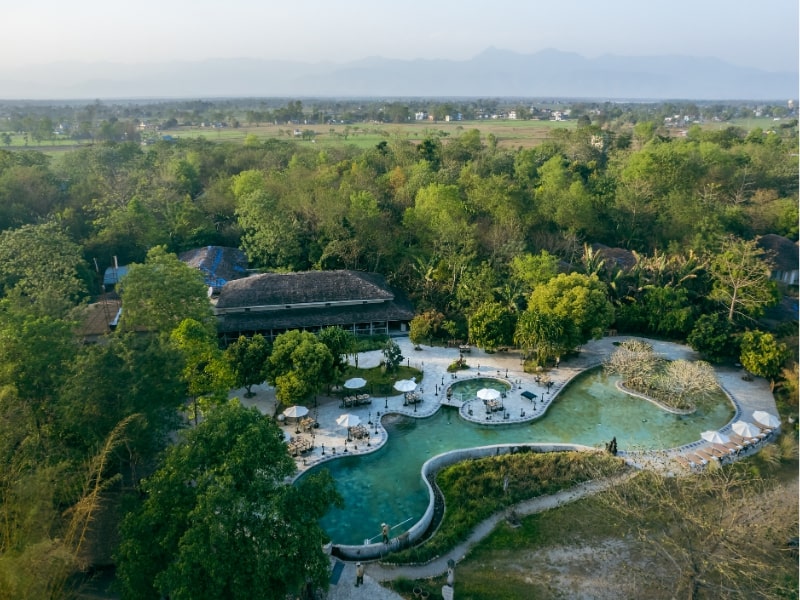
Barahi Jungle Lodge
Barahi Jungle Lodge sits on the banks of the Rapti River in Meghauli, right on the edge of the park. The setup is lush and composed, with a strong lodge atmosphere, thoughtful rooms, and the kind of property design that keeps you connected to the landscape without living rough.
Meghauli is quieter than Sauraha and works well when you want nature front and center. You’re positioned for river views, park access, and early starts that don’t require chaotic town traffic.
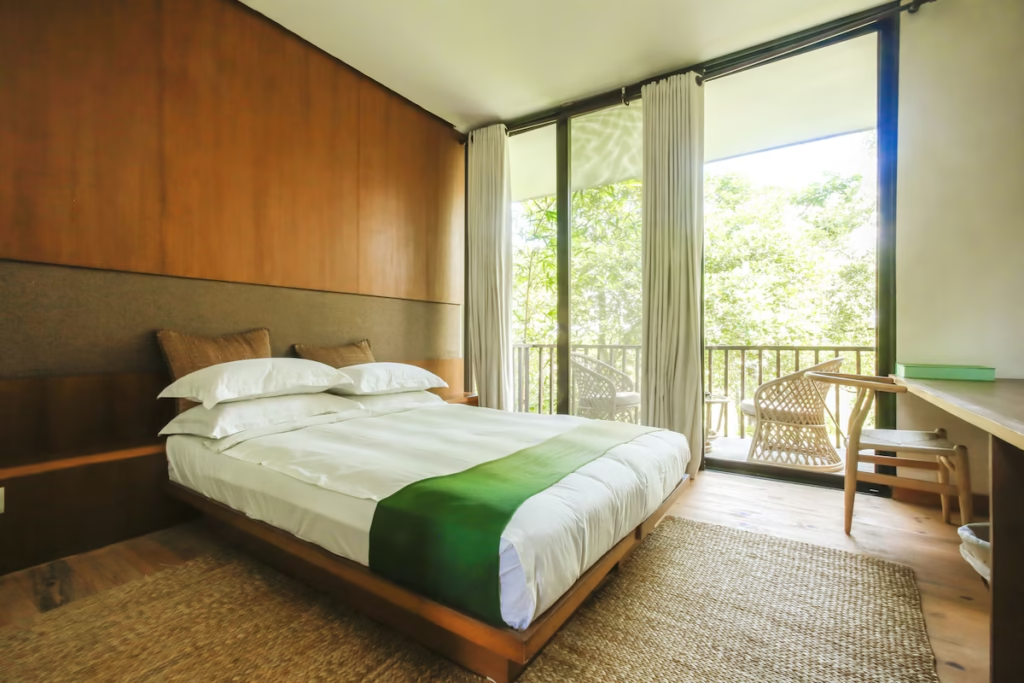
Kasara Resort
Kasara goes minimalist and gets away with it. The design is contemporary, using local materials and clean lines, and the rooms are set up for calm recovery between jungle drives. It’s polished, but not precious.
The resort sits on the border of Chitwan National Park, which keeps safari logistics simple and quick. You get the advantage of access without sacrificing sleep quality or comfort.
Lumbini, quiet ground with global weight
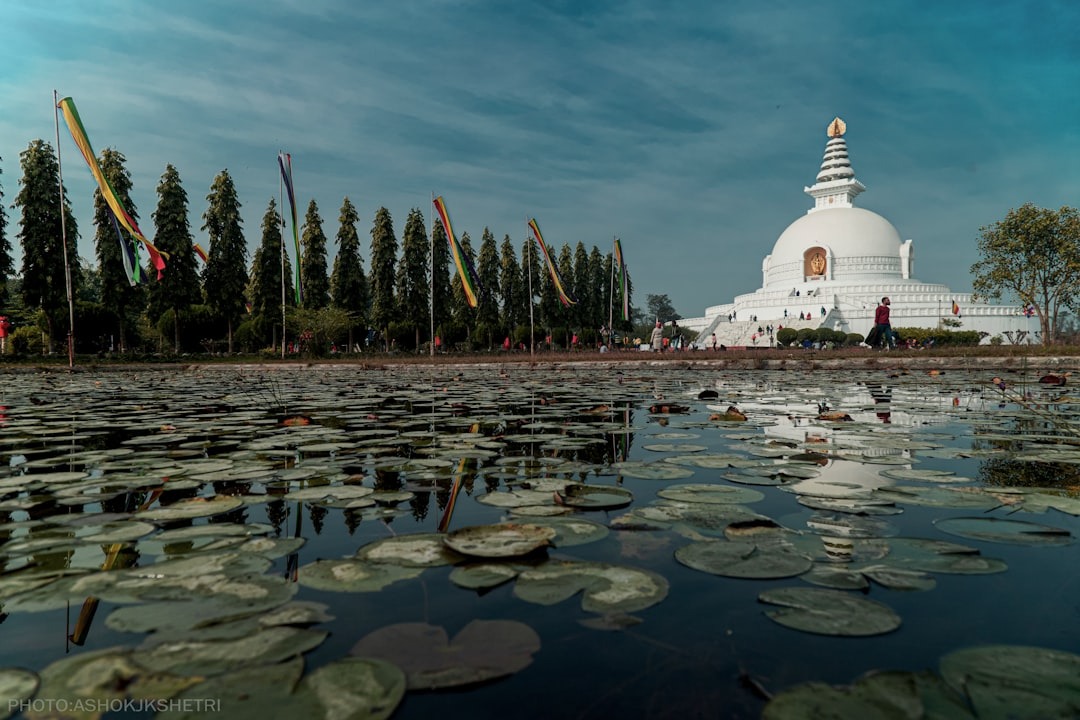
Lumbini is one of the most significant addresses in Buddhism. It’s recognized by UNESCO as the birthplace of The Buddha, Siddhartha Gautama. That’s THE Buddha, capital T, the original. The core site revolves around the Sacred Garden area, where the Maya Devi Temple and Ashoka’s commemorative pillar anchor the historic claim. The result is less “tourist attraction” and more living pilgrimage ground, with archaeology, devotion, and quiet gravity in the same space.
What makes Lumbini unusually interesting is its design. The wider zone follows the Kenzo Tange Master Plan, which organizes the area into distinct sections including a monastic zone split by a central canal, with monasteries funded and built by Buddhist communities from around the world. Architecturally, it turns into a slow walk through global Buddhism, from Thai and Burmese forms to more modern interpretations.
Practicalities are simple, but the climate is not subtle. Lumbini sits in the Terai lowlands near Bhairahawa, with broad open paths and limited shade in places, so the experience leans on pacing and hydration more than stamina. Access is easiest via Siddharthanagar and the Gautam Buddha International Airport area, built to improve connectivity to the region.
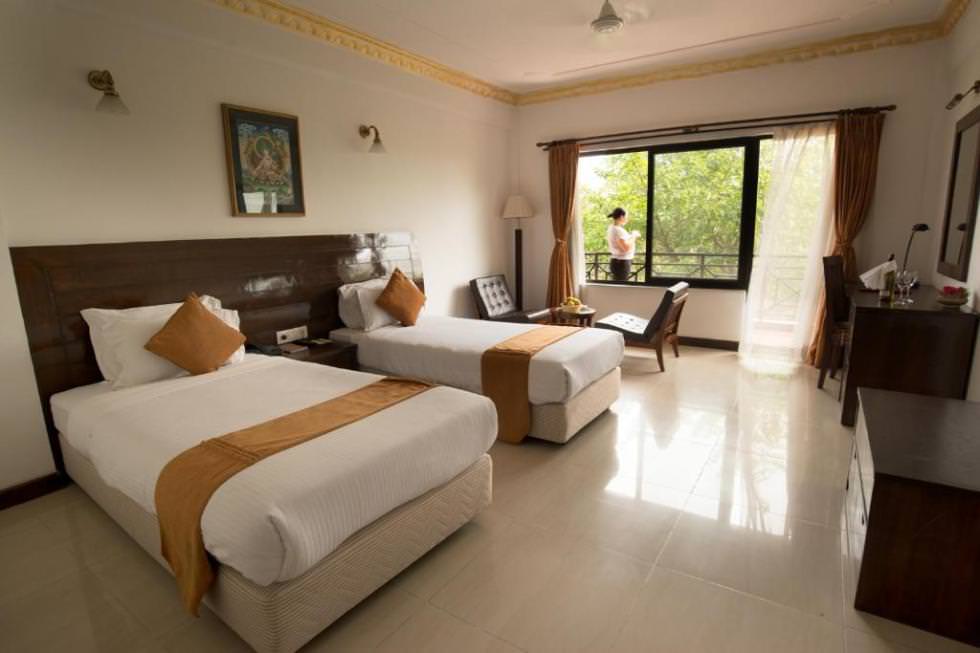
Buddha Maya Gardens
Buddha Maya Gardens leans into the wellness side of Lumbini. The property is calm, green, and set up for travelers who want quiet comfort, good meals, and a stay that doesn’t compete with the destination.
Its biggest advantage is proximity. Maya Devi Temple, the Ashoka Pillar, the museum, and the monastery area are all within walking distance, so you can move through Lumbini at the pace it’s designed for.
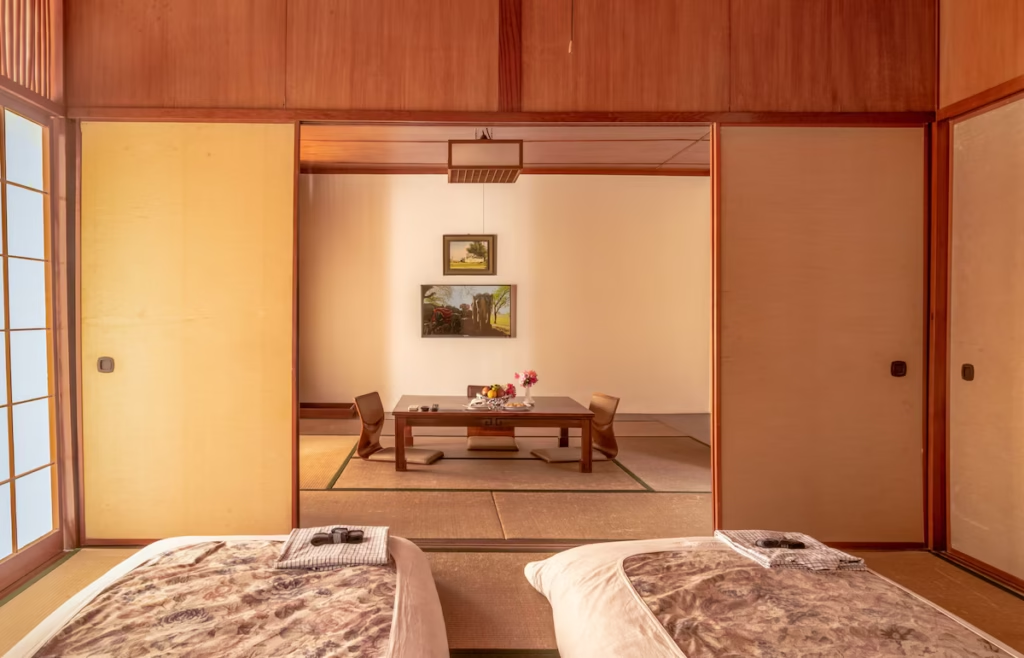
Hokke Lumbini
Hokke Lumbini blends Japanese simplicity with a calm, efficient approach to hospitality. Rooms are straightforward and well-kept, with a quiet tone that matches the destination. It’s the sort of hotel that supports rest without trying to entertain you.
It’s located in Lumbini’s main visitor area, with easy access to the monastery zone and the central sacred sites. You can get around without over-planning, which is exactly what this stop deserves.
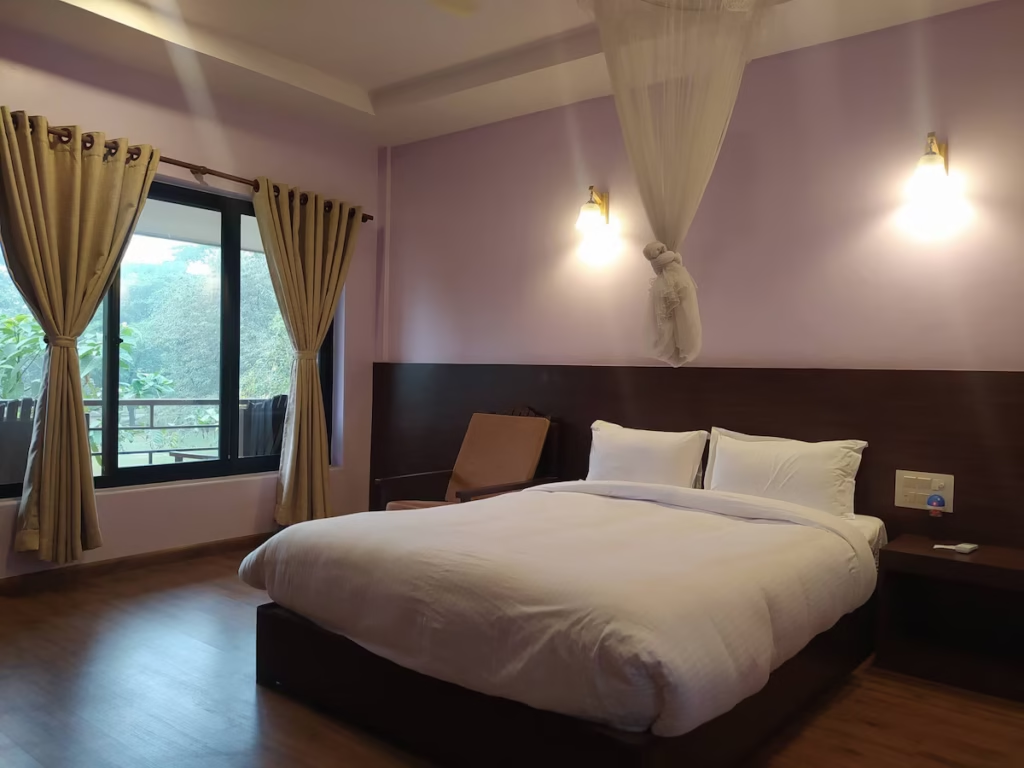
Lumbini Buddha Garden Resort
Lumbini Buddha Garden Resort is a classic full-service option with space, a resort-style layout, and practical comforts. It’s easy to settle in here, especially after a long drive or a hot day moving between monasteries.
The resort sits about 2.5 km from Maya Devi Temple, with a straightforward route into the sacred zone, and Bhairahawa Airport is around 14 km away for arrivals and departures.
Jomsom, the gateway town to Mustang and the Everest region
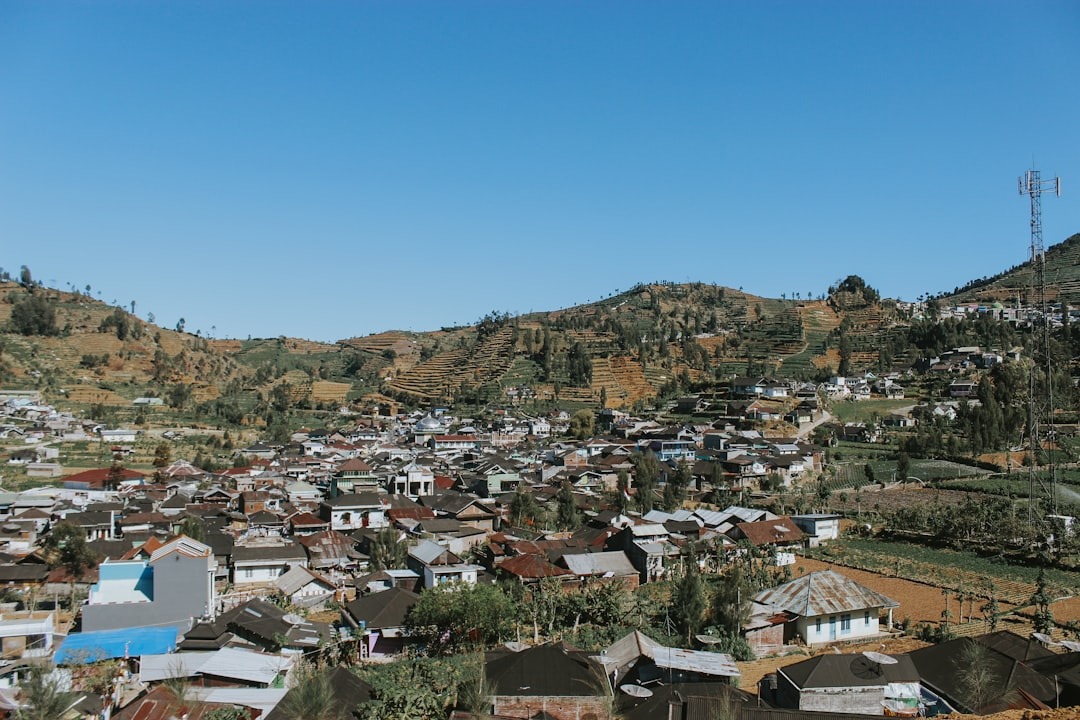
Jomsom is Mustang’s practical hub. A small town at about 2,743 meters above sea level in the Kali Gandaki valley, it acts as the administrative center and the main staging point for Lower Mustang routes. Landscapes here shift hard from green hills to drier trans-Himalayan terrain, with big sightlines and a stripped-back palette that signals you’re entering a different Nepal.
Its role is simple and useful. Jomsom connects the dots between Pokhara, Muktinath, and Kagbeni, the historic gateway toward Upper Mustang. That makes it a natural stop for trekkers, jeep travelers, and anyone threading the Annapurna Circuit pieces together without committing to the full long route.
Travel logistics here reward flexibility. Flights run in the morning window because wind and visibility can shut plans down later, and road access has improved, but conditions still depend on season and weather. Jomsom’s rain-shadow positioning also shapes the experience. Dust, wind, and sun become daily constants, and the town’s best quality is that it gives you a stable base in the middle of big terrain.
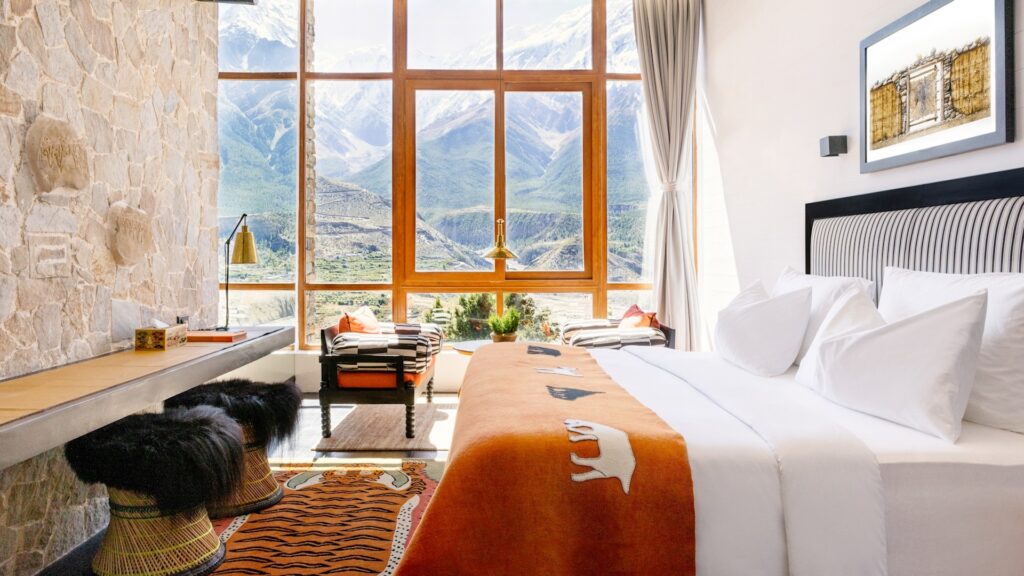
Shinta Mani Mustang
Shinta Mani Mustang is the rare mountain property that combines serious design with genuine regional grounding. Suites are polished and spacious, and the wellness focus is real, with dedicated treatments and a proper sense of retreat built into the stay.
It sits above Jomsom with access to Mustang’s villages, monasteries, and high-desert landscapes. This is a base for exploring the region with support, structure, and comfort baked in.
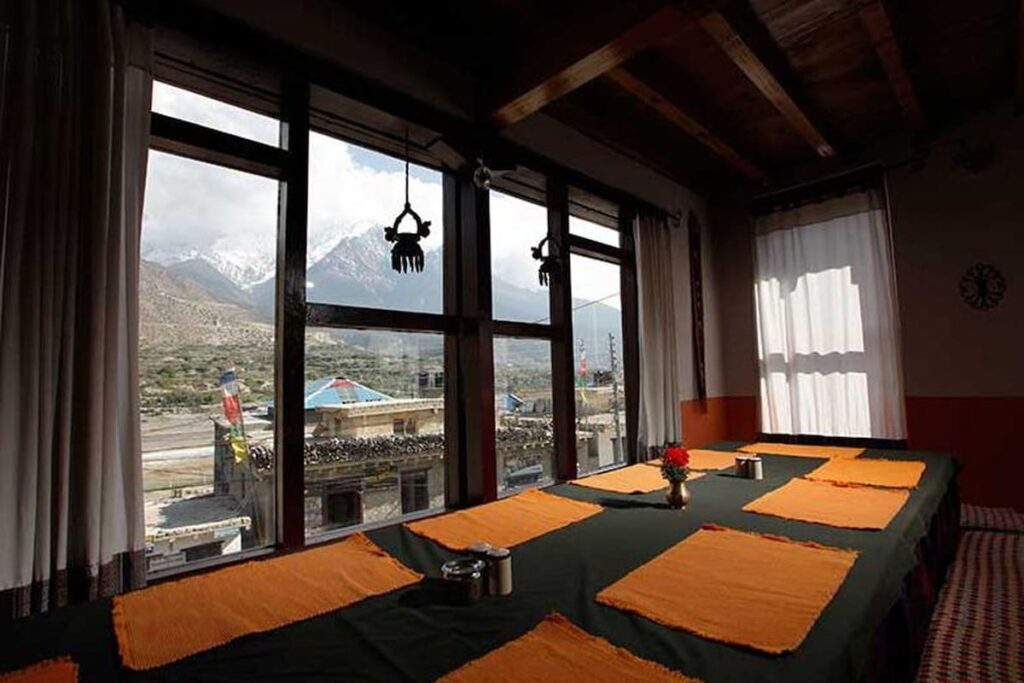
Hotel Om’s Home
Om’s Home is a long-running heritage hotel in Jomsom, built in 1976 and designed in a traditional Mustang style. It has the kind of grounded character that fits the region, with straightforward rooms and an emphasis on warmth, simplicity, and taking care of the basics well.
It’s set in central Jomsom, which keeps logistics easy. You’re close to the airport and positioned well for onward travel toward Muktinath or deeper Mustang routes, without needing to engineer your day around transport.
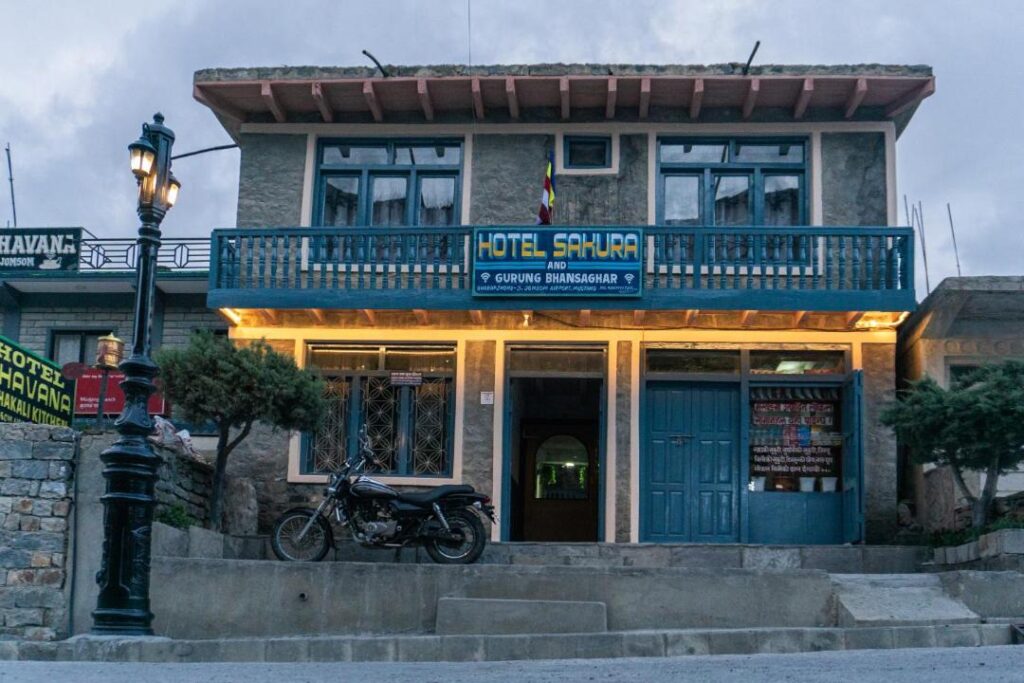
Hotel Sakura
Hotel Sakura is a small, straightforward hotel built for comfort in a high-altitude transit town. Rooms are simple and practical, with private bathrooms and clear mountain views in many categories. There’s an on-site restaurant, plus room service, and the overall setup focuses on warmth, cleanliness, and an easy stopover rhythm.
The address is a major part of the appeal. Hotel Sakura sits on the Beni–Jomsom Highway just steps from Jomsom Airport, and about 400 meters from the town center. That makes it an efficient base for early flights, weather-dependent arrivals, and quick onward movement toward Kagbeni, Marpha, or the road up to Muktinath.
Muktinath, world famous pilgrimage at serious altitude
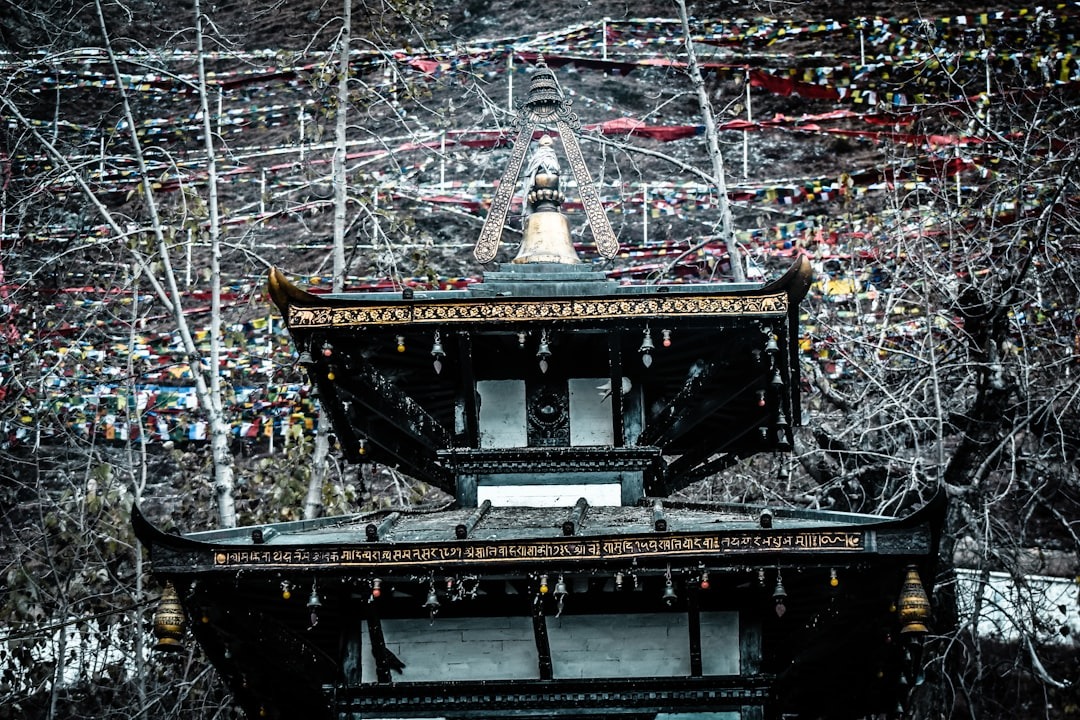
Muktinath is high, exposed, and deeply important. The temple sits in Mustang at around 3,710 meters above sea level, revered by both Hindus and Buddhists, and known in Tibetan as Chumig Gyatsa, “Hundred Waters.” It’s one of those places where pilgrimage is not a concept. It’s the main event.
The site itself is compact but loaded with symbolism. The famous 108 water spouts are part of the ritual landscape, alongside the natural flame shrine associated with Jwala Mai, creating that rare mix of mountain austerity and spiritual detail that people travel very far to experience. Even visitors coming for scenery end up clocking how multicultural the devotion is, with different traditions sharing the same ground without needing to explain themselves.
Getting here is part of the story. Most routes run through Jomsom, either by rough road from Pokhara or by short flights scheduled early because the Kali Gandaki valley winds build fast. Services in Muktinath are functional and aimed at pilgrims and trekkers, so comfort exists, but simplicity stays baked into the setting.
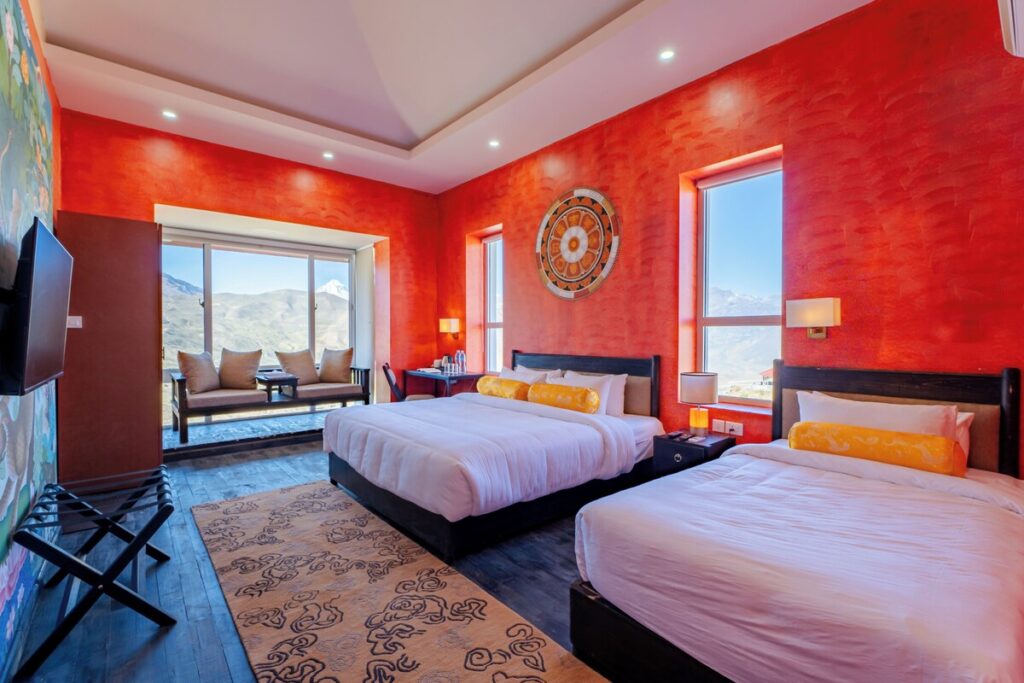
Lo Mustang Himalayan Resort
Lo Mustang Himalayan Resort is built for travelers who want Muktinath without going fully basic. Rooms lean warm and comfortable, with a design that pulls from Himalayan and Tibetan motifs while still prioritizing modern convenience.
It’s positioned near the temple area, keeping the main reason you’re here close and simple. The mountain backdrop is constant, and once you arrive, the town runs on short walks and quiet evenings.
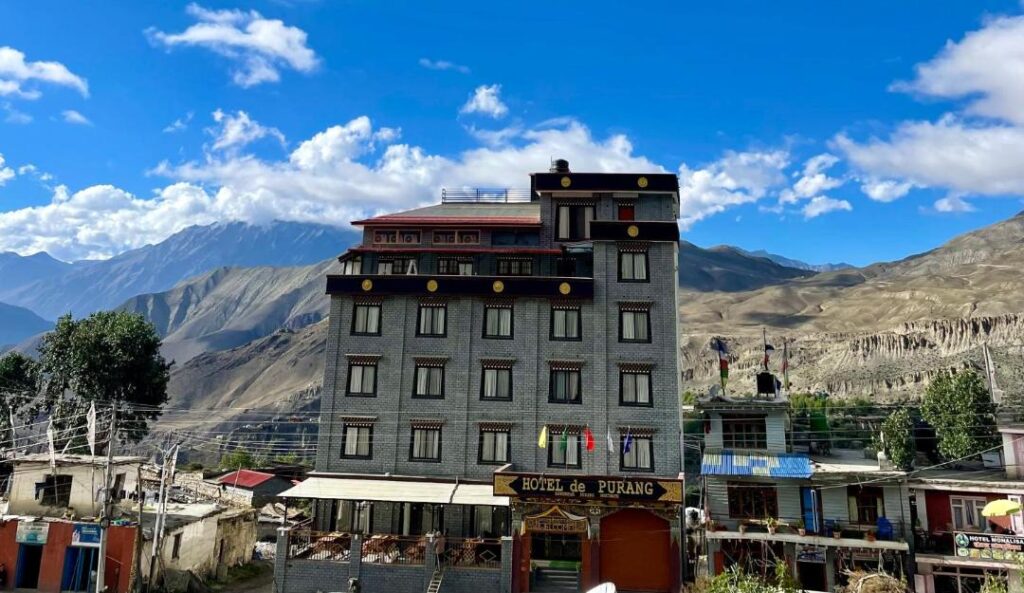
Hotel De Purang
Hotel De Purang is one of the more modern, better-finished options in Ranipauwa, with a clean, simple setup designed for rest. It has a restaurant and terrace space that’s actually useful in a town where indoor comfort counts.
You’re very close to Muktinath Temple, around 300 meters, which is the whole point here. That proximity lets you keep everything tight and manageable in an environment where small distances still add up.
Final Thoughts
Nepal is not a country you “consume.” It’s a place you calibrate to. Once that happens, everything starts working. Cities make sense. Distances become normal. The intensity stops feeling like friction and starts reading like texture.
A soft landing gives you control over that adjustment. Kathmandu brings culture at full volume, so a calm hotel keeps the first days enjoyable. Pokhara smooths the edges, gives you air, and sets up whatever comes next. Lumbini slows the tempo further. Chitwan flips the landscape entirely. Mustang towns like Jomsom and Muktinath demand simpler expectations and reward you with scale.
The best Nepal trips aren’t built around speed. They’re built around contrast. Sleep well early, choose bases that match the pace you want, and Nepal will do what it always does. It will outclass your plan
