The Philippines is not a single trip. It’s a network of trips stitched together by short flights, ferry routes, and whatever traffic decides to do that day. With more than 7,000 islands in play, the smartest travelers treat geography as the main character. Not an afterthought.
Daily life runs on heat, humidity, and sudden weather changes. Even in the “good season,” rain shows up fast and leaves just as quickly. The wetter stretch usually sits around June to October, and typhoons are part of the national reality, sometimes arriving as early as August and lingering into January. A soft landing here means building buffer time into your plan and choosing hotels that don’t punish you for moving slowly.
Getting around is a mix of modern convenience and improvised local logic. Domestic flights are the glue for long distances, with Philippine Airlines, Cebu Pacific, and AirAsia covering most major routes. Boats take over for shorter jumps, especially in the Visayas, where ferries are often the only realistic way to island-hop.
Inside cities and towns, transport becomes a grab bag. Jeepneys and buses do the heavy lifting in many places, tricycles cover short distances, and motorcycle taxis show up when roads get narrow or steep. Ride-hailing apps like Grab are a major upgrade in bigger cities, because they cut out the bargaining layer and make arrivals easier to manage.
Airports deserve one practical warning. Manila’s NAIA is split across terminals, and connecting can require real time and patience. If you enter the country in Manila and then continue domestically, you may need to collect baggage, clear customs, and re-enter the system even on a through itinerary. That is normal here, and it changes how tight you can run your schedule.
Money and payments are similarly mixed. Cards work in malls, hotels, and higher-end restaurants. Cash still runs the street level, from tricycle rides to neighborhood food. ATMs exist, but planning a little cash cushion saves effort, especially outside Manila and Cebu.
The country’s history explains a lot of what you see today. Spanish rule stretched for more than three centuries, and it left the Philippines with Catholic churches, town plazas, and a cultural vocabulary that still runs deep. The American period that followed helped shape modern education, government systems, and the country’s unusually strong comfort with English.
Independence is also layered, like everything else here. The Philippines declared independence from Spain on June 12, 1898, and later gained formal recognition of independence from the United States on July 4, 1946. That double history shows up in monuments, holidays, and the way the country tells its own story.
Language is one of the easiest parts of travel. Tagalog and English are both official languages, and English is widely used in business, signage, and tourism. Regional languages dominate daily conversation, but most travelers can navigate comfortably without translation apps doing all the work.
Food is where the Philippines stops being “tropical” and starts being specific. Adobo is the famous one, meat braised in vinegar and soy with garlic and peppercorns. Sinigang is the sour counterpoint, built around tamarind and vegetables. Kinilaw is the coastal flex, fresh fish cured in vinegar and calamansi, closer to ceviche than sashimi.
Meals tend to be communal and customizable. Sauces matter. Vinegar matters. Texture matters. Filipino cooking is confident about mixing sour, salty, sweet, spicy, and smokey in the same plate, and it rarely apologizes for it.
Culture also travels well across the islands. Filipinos are famously social. Groups move together, families eat together. It’s one of the few countries where big-city chaos and small-town openness can exist in the same day without contradiction.
That’s why your first hotel matters more here than in many destinations. The right address doesn’t just give you sleep. It gives you traction. A place that’s close to the airport when you need it, close to the beach when you want it, and positioned so the next leg of the trip doesn’t turn into an unnecessary struggle.
The Philippines, at a glance
| Area | Style | Energy | Close to sights | Crowding | Best for |
|---|---|---|---|---|---|
| Manila (Makati) | polished, modern | high | museums, dining, airport access | high | first nights, comfort, easy logistics |
| Cebu & Mactan | city + beach | medium | diving, day trips, resorts | medium | beach reset, quick transfers |
| Palawan | nature-first | medium | lagoons, reefs, limestone bays | medium | island hopping, scenery |
| Tagaytay | cool-weather escape | low | volcano views, quick Luzon break | medium | weekend recharge, road trips |
| Bohol (Panglao) | beach + day trips | medium | Alona, countryside sights | medium | easy beach stay with variety |
| Dumaguete (and Dauin) | relaxed, local | low | Apo Island, cafés, diving | low | slow travel, diving base |
| Siquijor | quiet, tropical | low | beaches, waterfalls | low | switch-off mode |
| Siargao | surf island | medium | Cloud 9, beach bars | medium | surf culture, long stays |
| Boracay | classic beach scene | high | White Beach, water sports | high | beach comfort, no-friction holiday |
Manila, the messy, magnetic front door

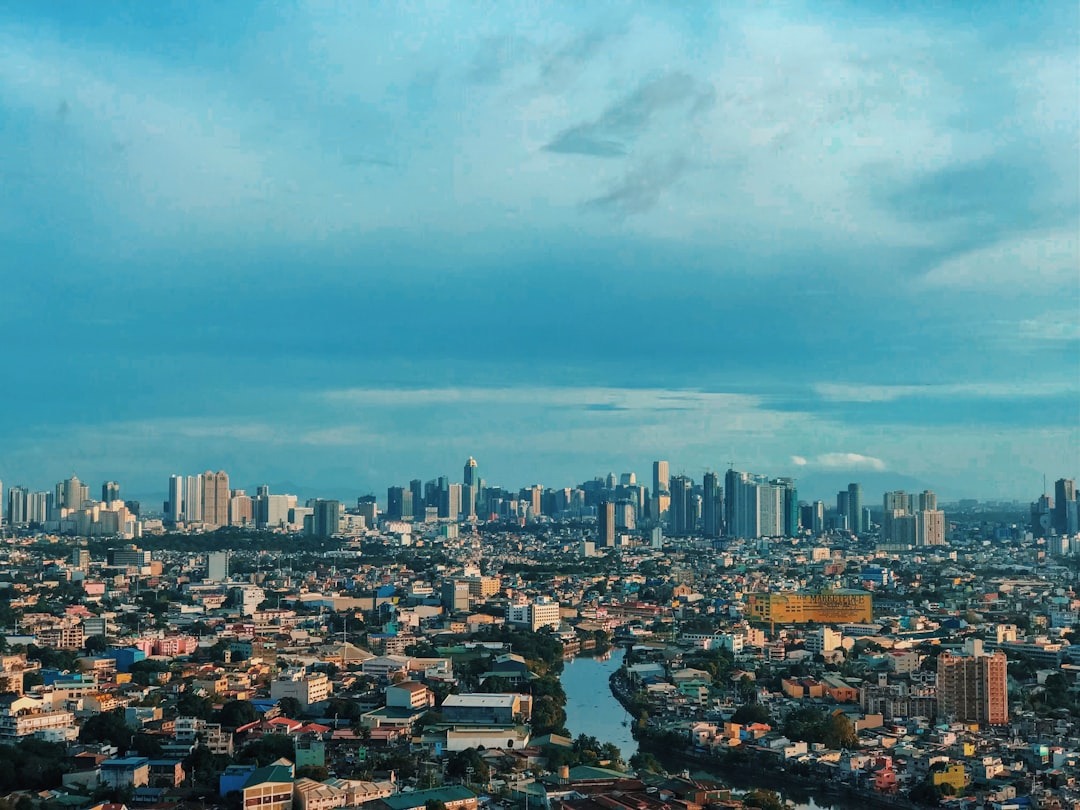
Manila can hit hard if you arrive unprepared. Traffic is a nightmare, distances expand fast, and the city runs on neighborhood logic more than tourist zones. The smartest move is picking a hotel that reduces decisions. Close to transport, close to food, close to somewhere you can walk without negotiating a maze of highways.
Makati is the cleanest entry point for most travelers. It’s modern, dense, and built around walkable pockets like Greenbelt and Ayala Triangle. You get polished malls, strong dining, and a version of Manila that runs smoothly at street level.
Manila also rewards hotels that act like a pressure valve. Big lobbies, quiet rooms, solid service, and on-site dining matter here, because you’ll use the hotel more than you think on arrival day.

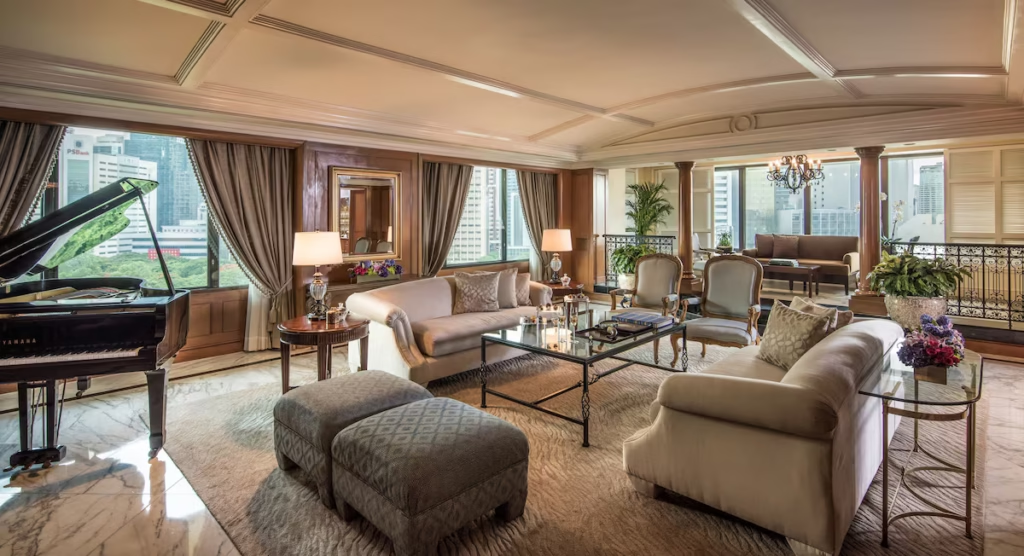
The Peninsula Manila
The Peninsula is old-guard Manila luxury, done with confidence. You get grand public spaces, a full-size pool, and a hotel that’s built for long pauses between plans. Rooms lean classic and spacious, with the kind of quiet that makes a difference in a city this loud.
It sits in the heart of Makati, with Ayala Triangle and Greenbelt within a short walk, plus easy Grab rides to BGC and the airport when traffic cooperates. This is one of the simplest ways to arrive in Manila and immediately have the city under control.

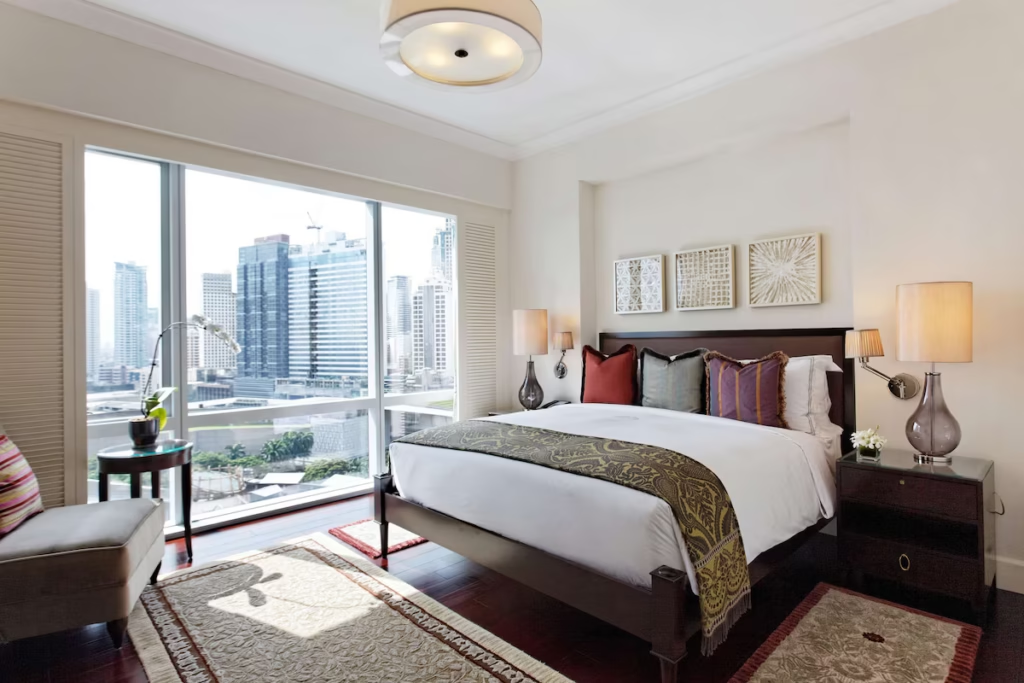
Raffles Makati
Raffles Makati is all suites, and it shows. Spaces are large, the setup is quiet, and the skyline views come standard in many categories. The hotel leans contemporary, with the kind of service that keeps small problems from becoming big ones.
You’re plugged directly into Ayala Center. Shops, dining, cinemas, and the Greenbelt complex sit right outside, and Ayala Triangle is close enough for an easy walk. It’s a rare Manila stay where you can land and live on foot for a couple of days.

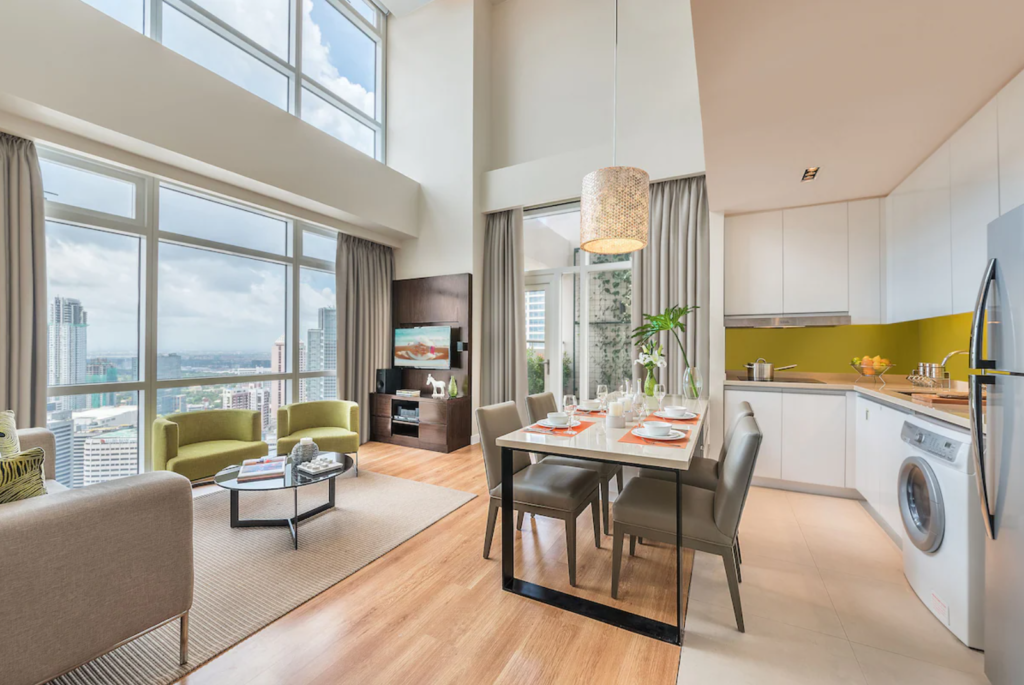
Citadines Salcedo Makati
Citadines Salcedo runs more like a modern serviced residence than a standard hotel. Studios come with kitchen facilities, proper space to unpack, and a layout that works for stays longer than a weekend. It’s clean, practical, and designed for real use, not just passing through.
Salcedo Village is one of Makati’s most livable pockets. You’re a short ride from Greenbelt, and surrounded by cafés, small restaurants, and quieter side streets that make walking realistic. It’s Manila with fewer sharp edges
Cebu, the easiest mix of resorts and real life

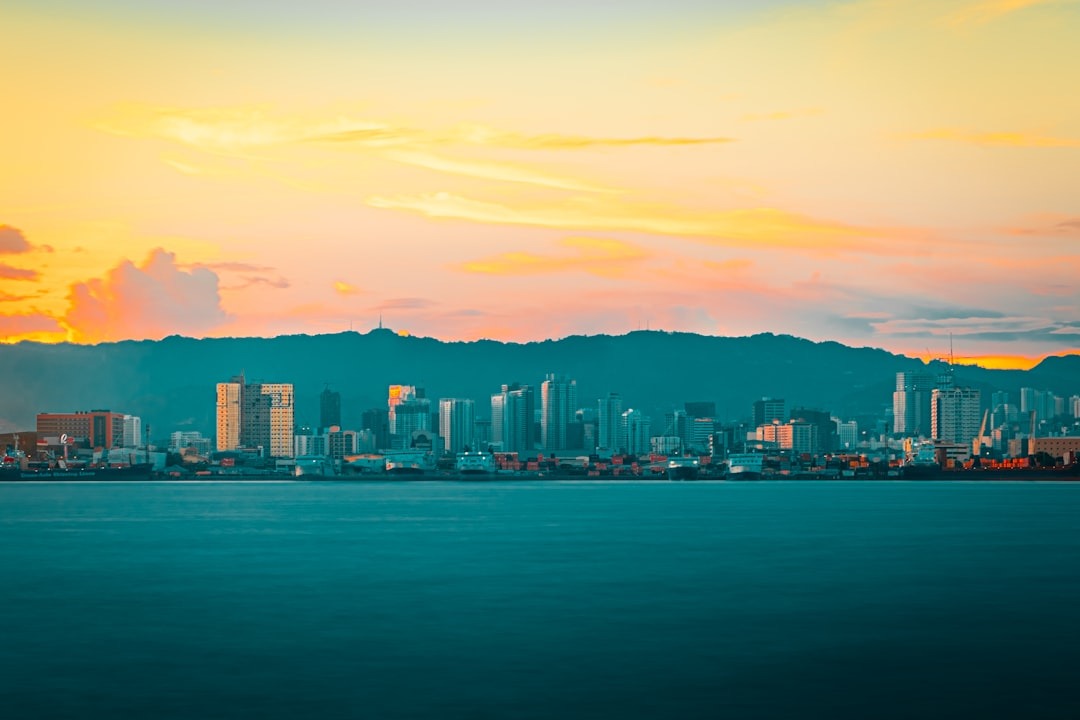
Cebu gives you two versions of the same trip. Cebu City brings malls, food, and urban convenience. Mactan brings beach resorts, short airport transfers, and a lower-effort start to island life. Many travelers use this area as a reset button between flights and ferries.
Mactan is where you go for water. Snorkeling, diving, and boat days are easiest when your hotel is already on the coast. Resorts here are built for staying put, with pools, beaches, and enough dining on-site to avoid planning.
Cebu City is better when you want movement. It’s easier for shopping, restaurants, and day trips inland. The best city hotels sit close to transport and give you calm rooms that block out the noise.

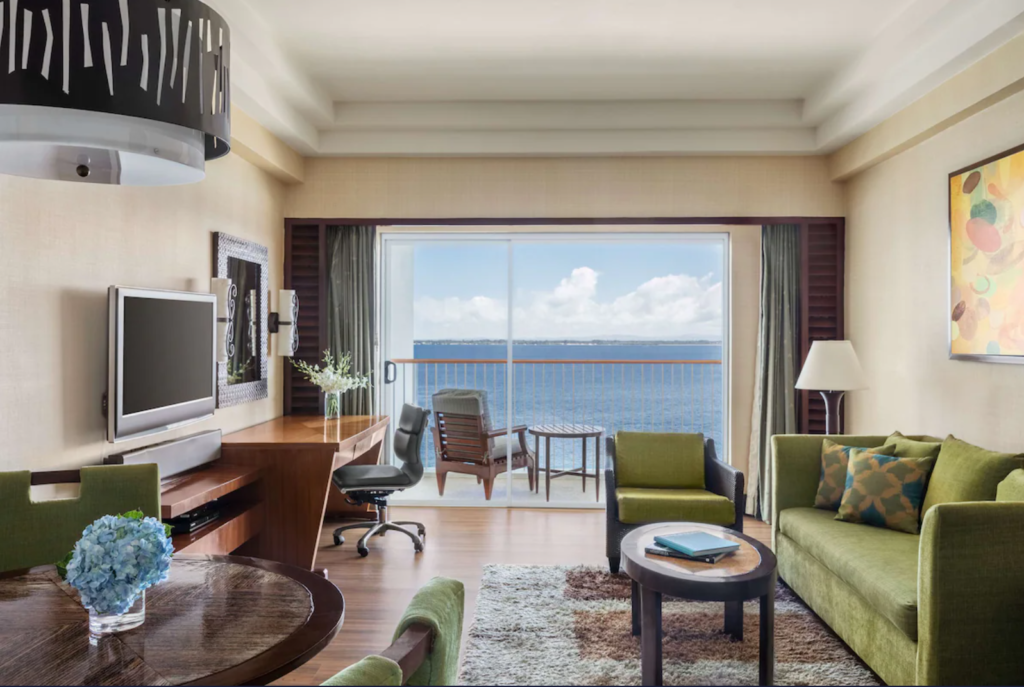
Shangri-La Mactan
Shangri-La Mactan is a full-scale beachfront resort, with a private beach, a large pool zone, and the kind of facilities that let you stay in one place all day without running out of options. It’s established, polished, and built to keep everything inside the resort running smoothly.
You’re on Mactan’s coast, away from the city grid, with quick transfers to the airport and straightforward trips across the bridge into Cebu City when you want restaurants and malls. It’s a classic “land, exhale, and begin the Philippines tomorrow” address.

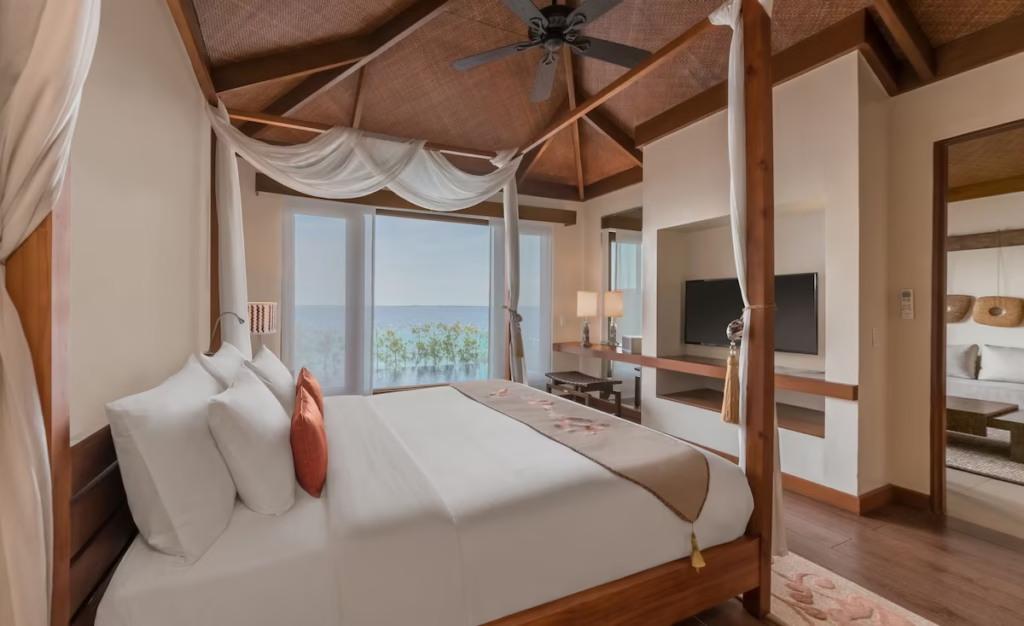
Crimson Resort and Spa Mactan
Crimson is a modern beach resort with a clean layout, strong design, and plenty of breathing room across the grounds. Expect a wide pool area, direct beach access, and rooms that lean contemporary with good space standards.
It’s set on Mactan, close to the airport and within reach of island-hopping and dive day trips. Cebu City is still accessible by car, but the main advantage here is staying coastal and letting the city become optional.
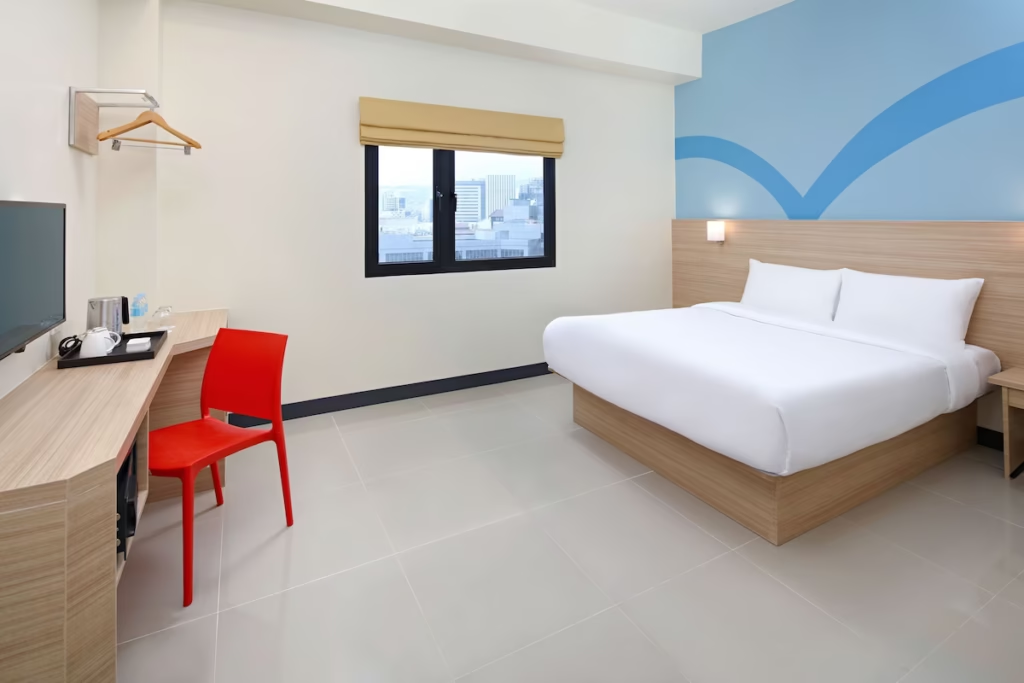
Hop Inn Hotel Cebu City
Hop Inn is simple, modern, and sharply priced for what it delivers. Rooms are more spacious than average for the city, clean-lined, and built for sleep, with the basics done properly and nothing pretending to be more than it is.
You’re near Ayala Center Cebu, which puts restaurants, shops, and transport within easy reach. It’s a good landing spot when you want Cebu City access without paying for resort infrastructure you won’t use.
Bonus Stay:

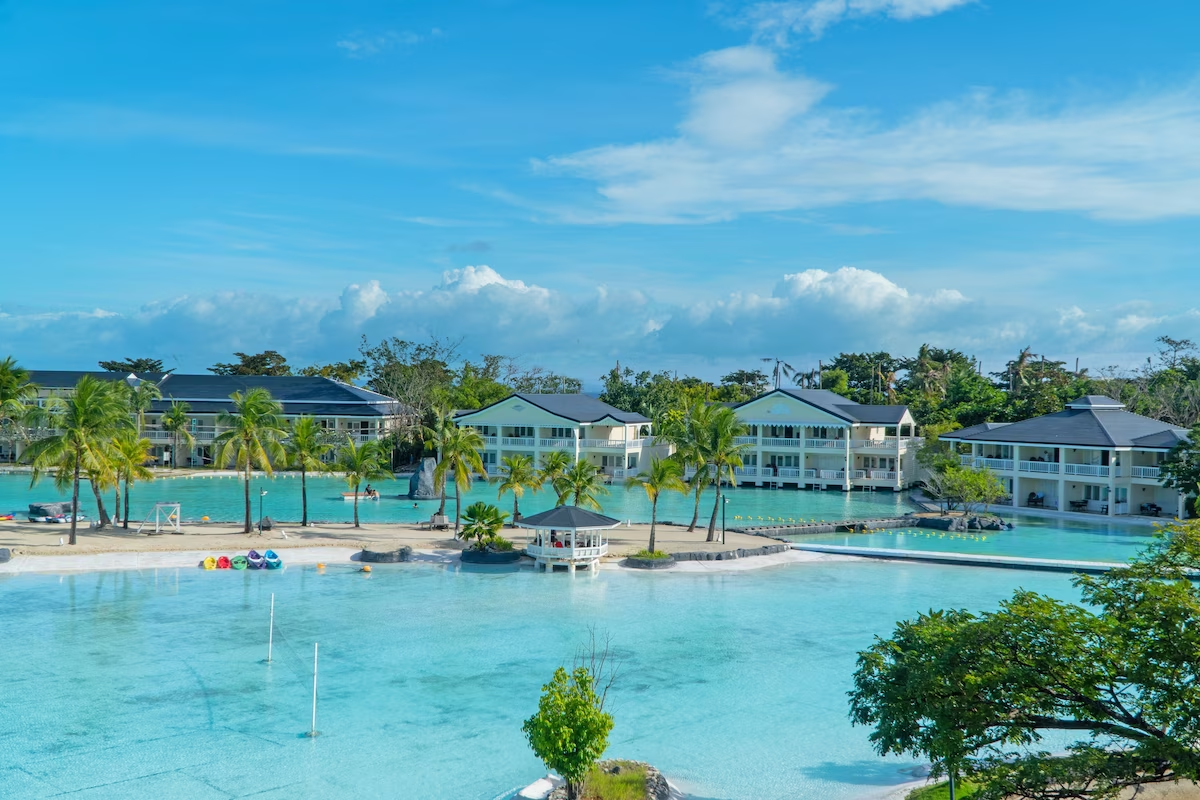
Plantation Bay Resort and Spa
Plantation Bay Resort and Spa is a polished, resort-style stay with a strong sense of space and ease. Rooms are comfortable and well arranged, and the property has the kind of finish that makes it easy to settle in quickly. It feels expansive without being overwhelming.
It sits just outside central Cebu, set around its own private lagoons rather than on a busy public beach. The airport is within a manageable drive, and transport makes reaching the rest of Mactan and Cebu straightforward. You get full resort immersion without staying inside the city’s busiest corridors.
Palawan, The Philippines’ Shining Jewel
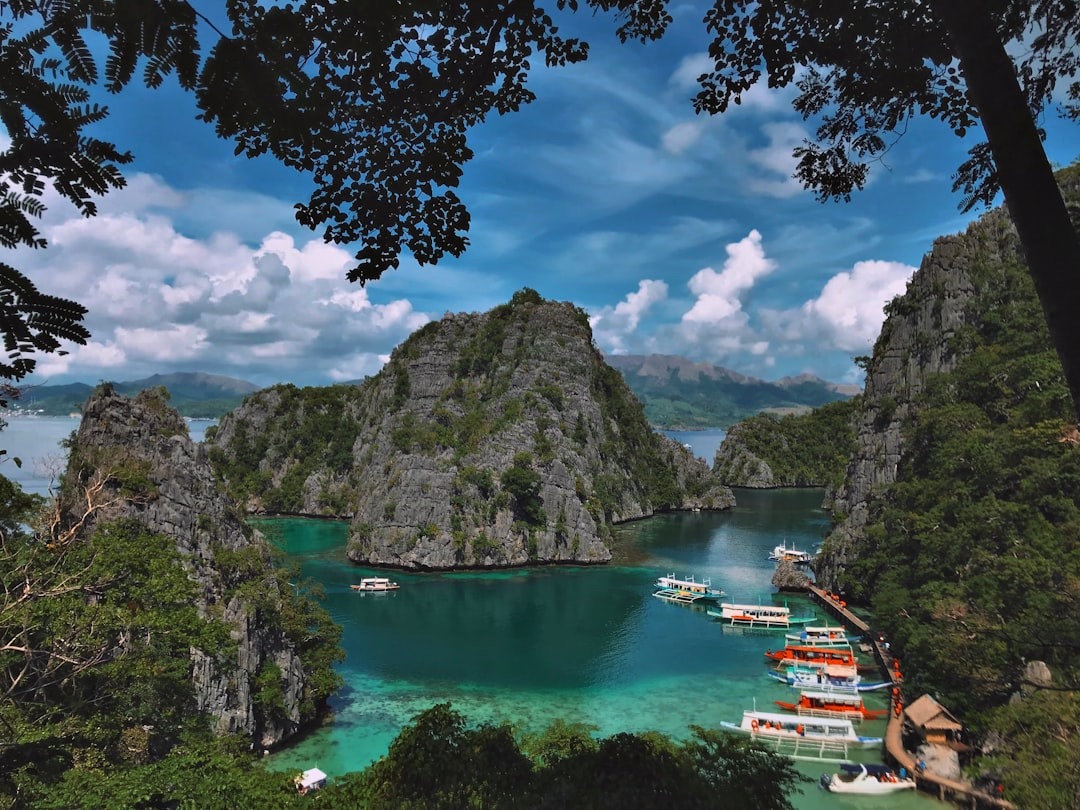
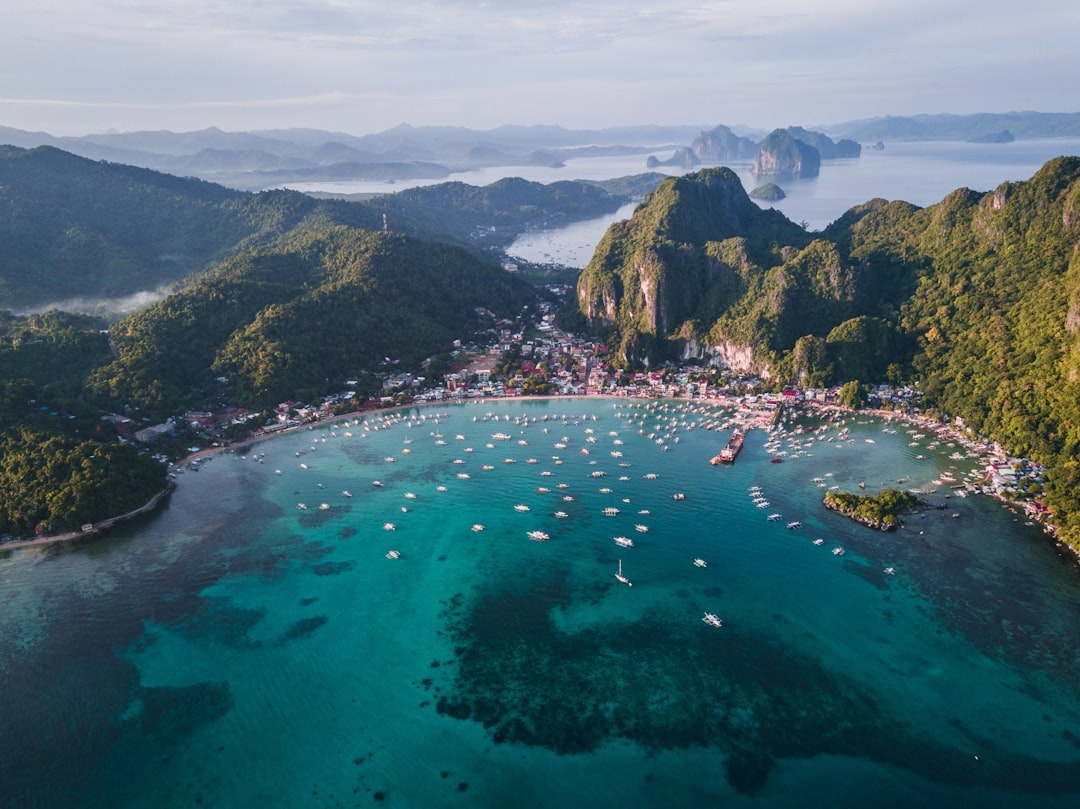
Palawan is the Philippines at its most photogenic. Limestone cliffs, clear water, and islands that look edited even when they aren’t. It’s also spread out. Coron, El Nido, and Puerto Princesa all play different roles, and choosing the right one saves you hours of transit.
Coron is best for boat days and dramatic seascapes. El Nido is the headline destination for lagoons and island hopping, with more dining and energy in town. Puerto Princesa is the practical gateway, with the main airport and a slower pace.
A soft landing in Palawan comes down to access. Close to the port if you’re doing tours. Close to the airport if you’re arriving late. A hotel that can handle logistics without making you chase answers.
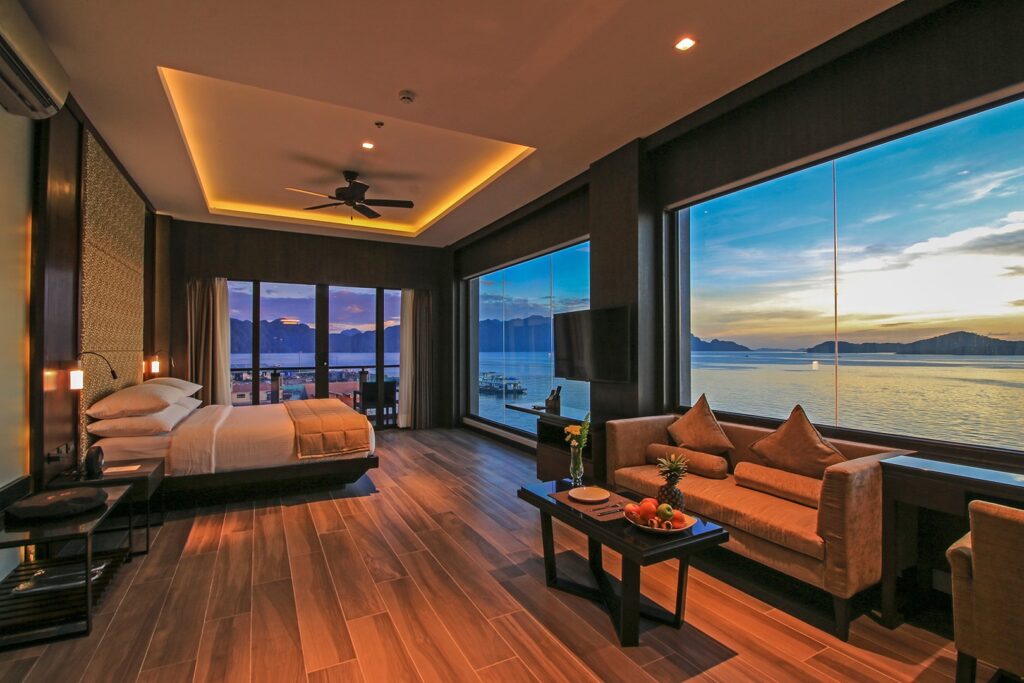
Two Seasons Coron Bayside Hotel
Two Seasons Coron Bayside sits on the waterfront in Coron, with airy rooms and bay-facing views that make the location obvious the moment you arrive. It’s polished, modern, and built for travelers who want town access without town chaos.
You’re in the town proper, close to the port area where boats depart and where most restaurants cluster. That saves time and keeps Coron simple. Walk for dinner, book tours quickly, then come back to a quiet room above the noise.

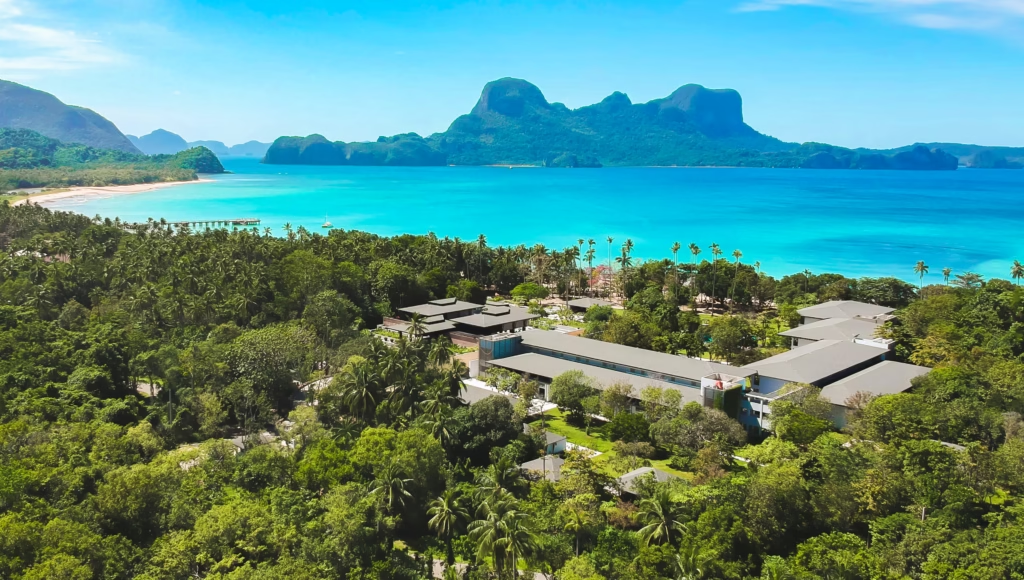
Seda Lio
Seda Lio is a full resort setup on a calmer stretch near El Nido, with the space and polish you’d expect from a modern beach property. Expect a strong pool scene, proper dining on-site, and a layout designed for staying put between excursions.
It’s set close to El Nido’s airport area, which makes arrivals painless, and it’s still within reach of El Nido town when you want the main restaurant strip. This is El Nido without the congestion at your doorstep.
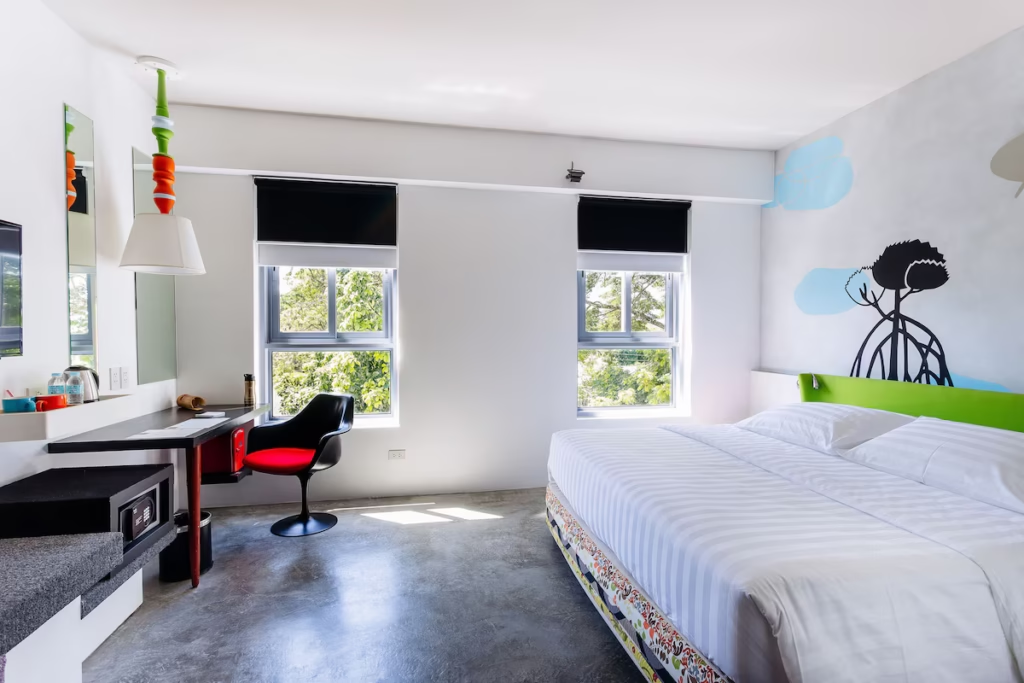
Canvas Boutique Hotel
Canvas Boutique Hotel is a clean, modern city hotel with an easy layout and a practical setup for transit days. Rooms are simple but well-finished, and the hotel keeps the basics tight.
You’re in Puerto Princesa, close to the airport and the city’s main services, which makes this a smart stop before heading north to El Nido or out to island tours. It’s a good place to land, sleep properly, and move on without friction.
Tagaytay, Luzon. Cool air and quick escapes
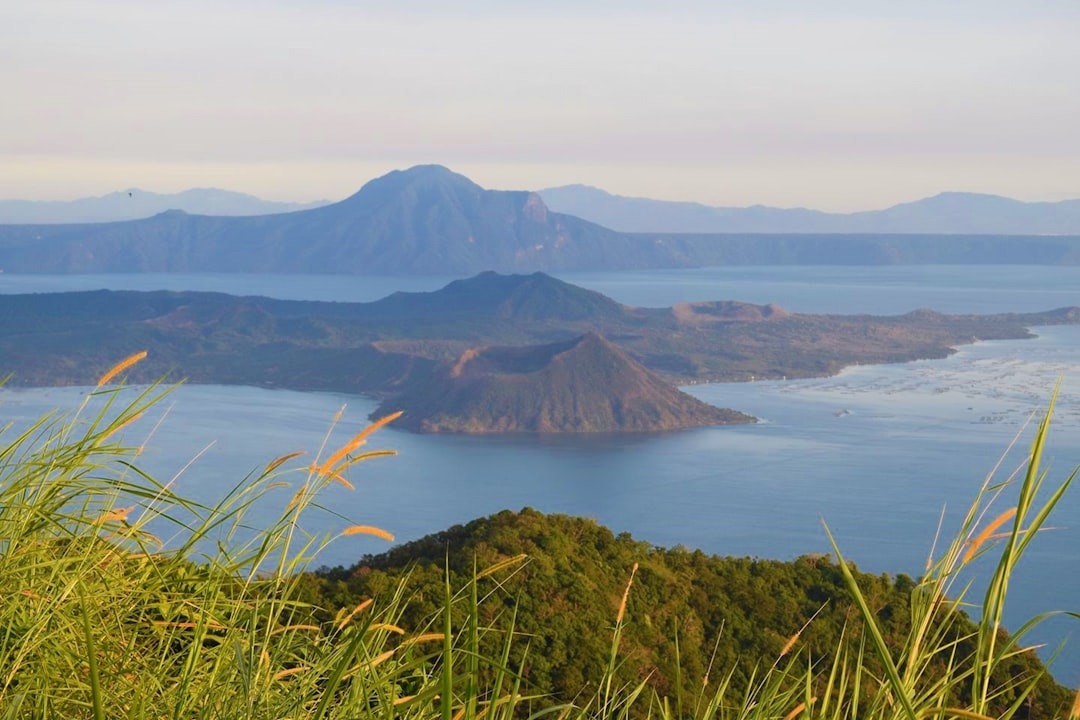
Tagaytay is famous for having a lake on an island with volcano within a lake on an island. It’s also the Philippines’ classic “weekend out of Manila” move, and it works for travelers too. It’s closer than most people expect, high enough to cool down, and built around the simple pleasure of looking out over Taal Lake and the volcano.
This is not a place for ticking off landmarks. It’s for slowing the schedule down. Good food, wide views, and hotels that lean into space and greenery matter more than being in the middle of anything.
Staying in Tagaytay makes sense when you want a break between big city days and island flights. It’s also one of the easiest ways to get a completely different version of the Philippines without leaving Luzon.

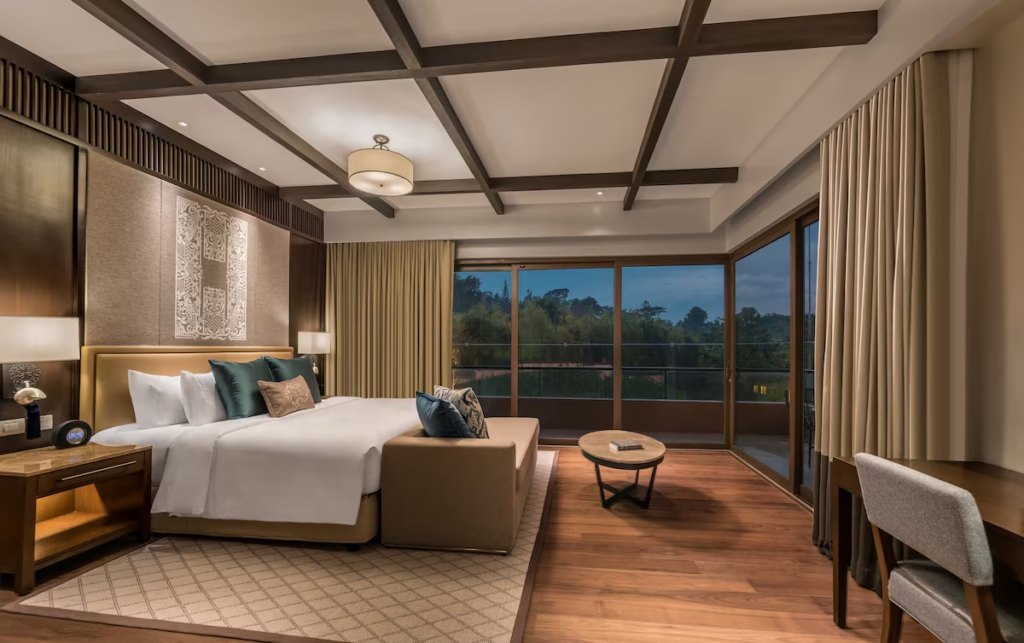
Anya Resort Tagaytay
Anya is a modern resort-style property with strong design, a spa setup, and rooms that give you real space to settle in. The facilities are the point here. Pool time, quiet common areas, and a hotel that treats rest like an actual feature.
You’re in Tagaytay proper, close to the main road network, which keeps restaurants and viewpoints within a short drive. It’s easy to combine this with a road trip loop without turning every day into a logistics project.

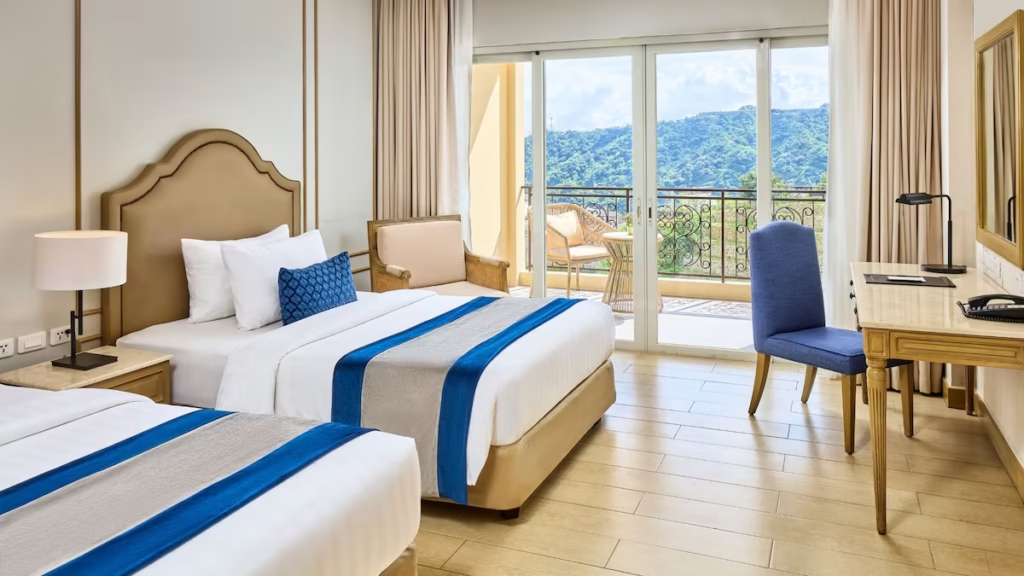
Twin Lakes Hotel
Twin Lakes Hotel is a lakeside-facing stay built around views, balcony rooms, and a more resort-like pace than most city hotels in the area. It’s a good pick when you care about scenery from your room and want shared spaces that aren’t an afterthought.
It sits in the Twin Lakes area, which puts you away from the densest Tagaytay traffic and closer to the ridge-side stretches people come here for. Expect short drives for meals, plus easy access to the main Tagaytay routes.

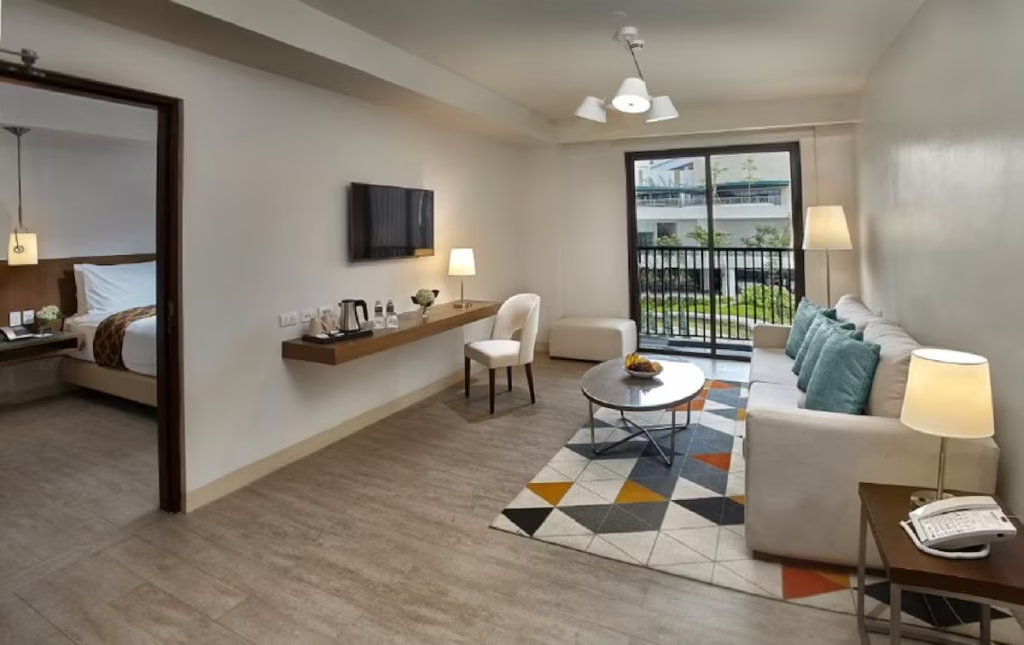
Quest Hotel Tagaytay
Quest is a straightforward, modern hotel with an outdoor pool, a simple layout, and rooms built for short stays that still need proper sleep. It’s clean, efficient, and easy to navigate even on a quick stop.
You’re a few minutes from Ayala Malls Serin, which makes food, coffee, and errands genuinely convenient. It’s also a handy jump-off point for Picnic Grove and the ridge viewpoints without needing to cross the whole city.
Bohol. Beach days with an easy countryside escape
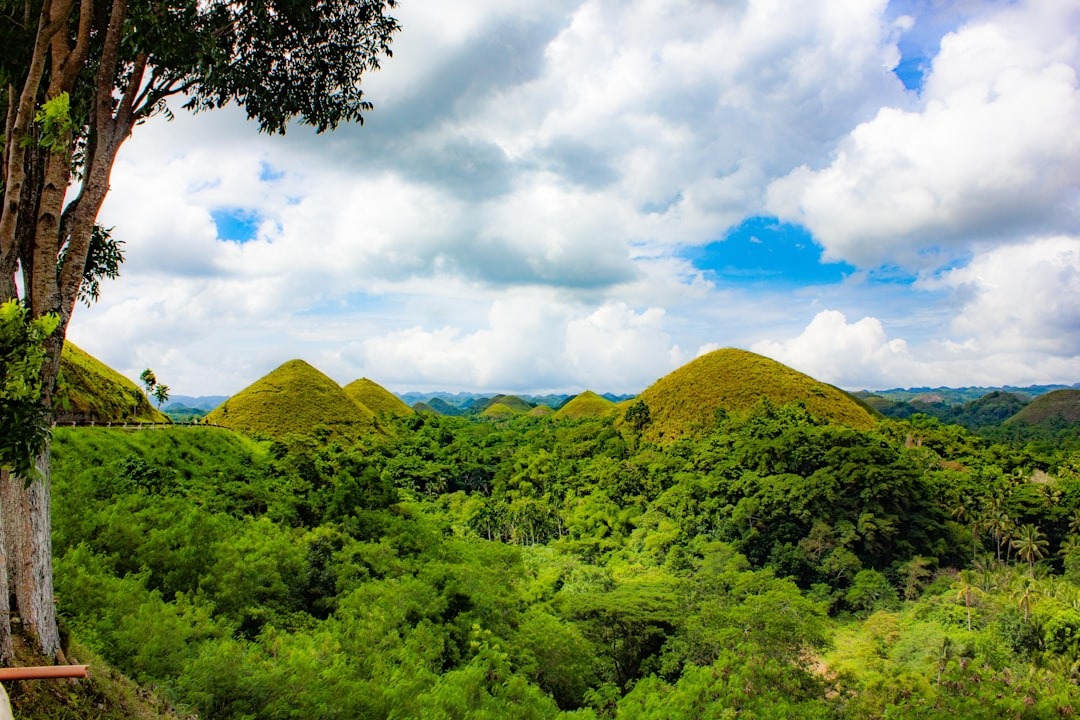
Bohol is a gentle entry into island travel. You get clear water and beach access on Panglao, plus the option to day-trip inland for the Chocolate Hills, rivers, and small towns that still run at a slower pace.
Bohol is where I spent the majority of my time in the Philippines, sitting in a small fishing village near Anda, snorkeling, playing basketball, and enjoying fresh fish straight from the ocean.
Panglao is where most travelers stay, because it’s where the hotel infrastructure is. That means more dining options, more transport, and fewer compromises. You can still reach the main sights, but you don’t spend the entire trip in vans.
The soft landing advantage here is balance. You can do two days of nothing and two days of day trips, without changing hotels or fighting ferry schedules.

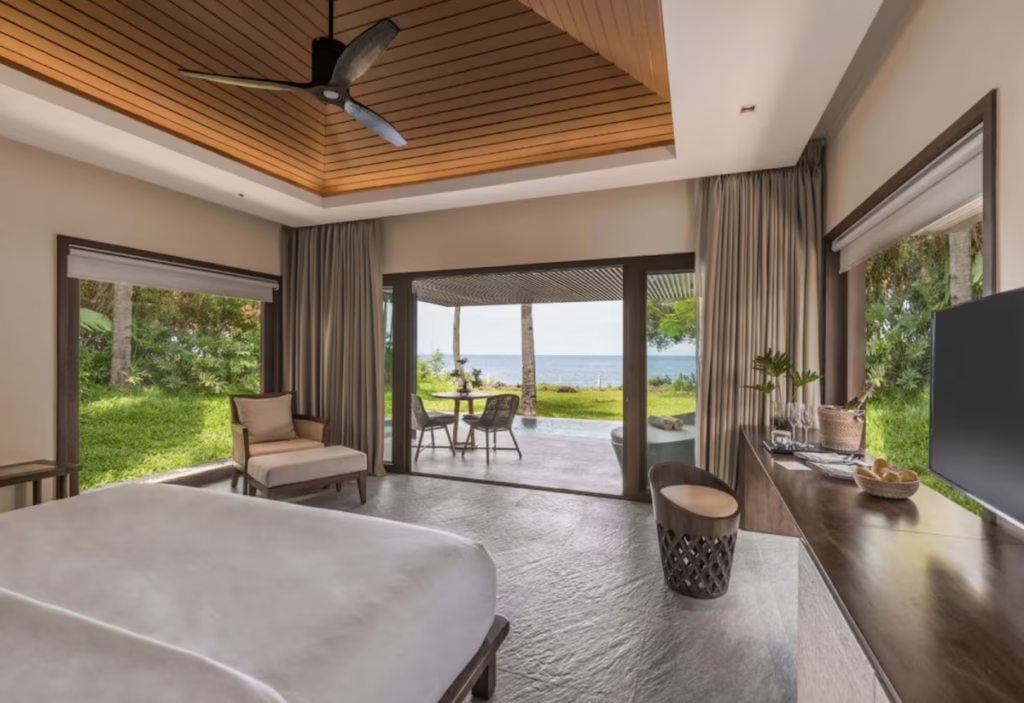
Amorita Resort
Amorita is a cliffside resort with serious space and a calm, high-end layout. Expect multiple pools, big rooms, and a property that’s designed to keep you inside the grounds when you want a slower day.
It sits just above Alona Beach, close enough to reach restaurants and boat bookings without relying on long rides, while keeping your room away from the loudest parts of the strip. This location gives you both access and separation.
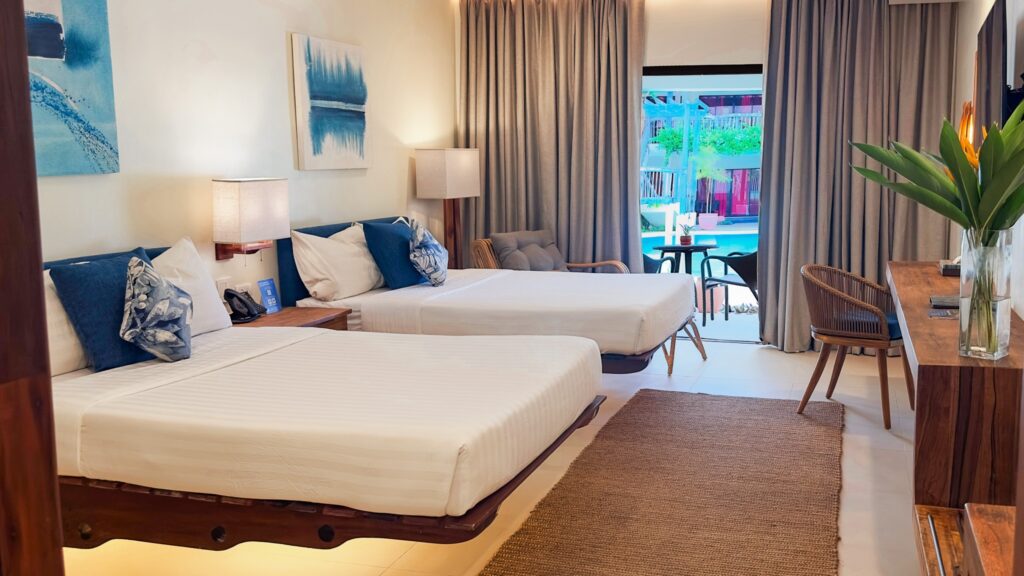
Bluewater Panglao Beach Resort
Bluewater is a classic beach resort with a large pool area, direct shoreline access, and a wide, family-friendly layout. Rooms are built in a low-rise spread, so the place stays open and easy to move through.
It’s on Panglao, a short ride from the busiest Alona stretch, which keeps dining options close while giving you quieter nights. This area is also well positioned for day trips across Bohol without spending hours exiting the resort zone.

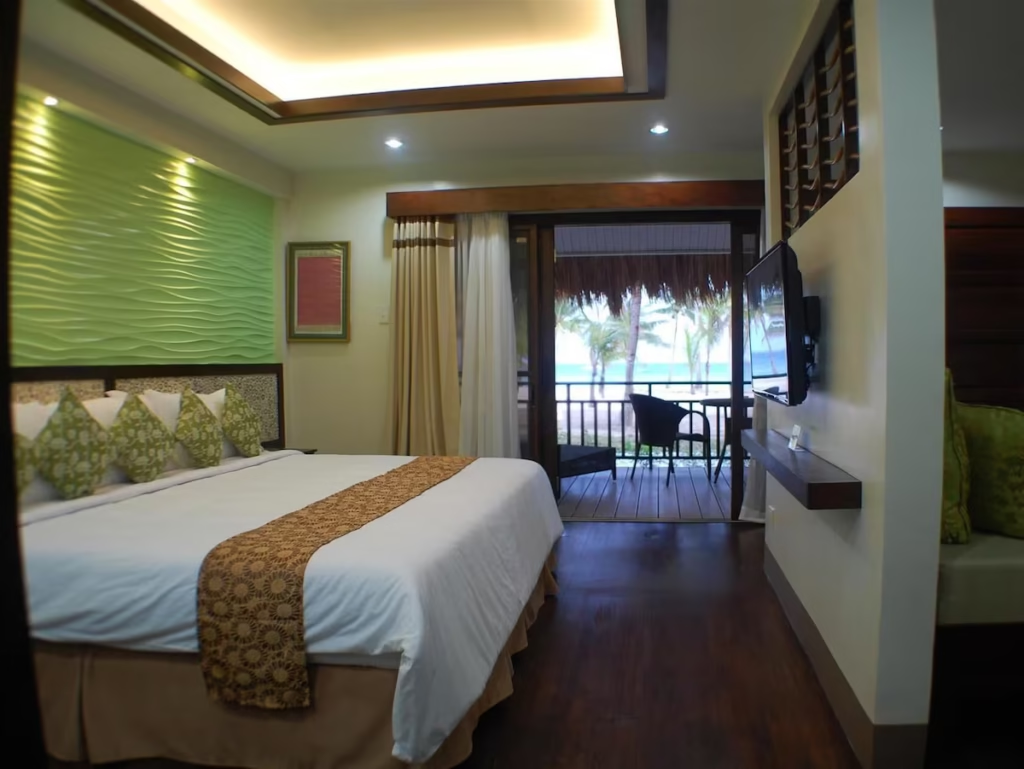
Bohol Beach Club
Bohol Beach Club is about one thing done properly. A long, clean beach with space to sit, swim, and stay all day without competing for a square meter of sand. The property keeps the look simple and lets the shoreline carry the experience.
It sits away from the busiest nightlife pocket, so the surroundings stay quieter, but you’re still within reach of Panglao’s dining and transport network by tricycle. This is one of the easiest ways to get a beach-forward stay without the party strip outside your door.
Dumaguete (and Dauin). Slow city, serious diving
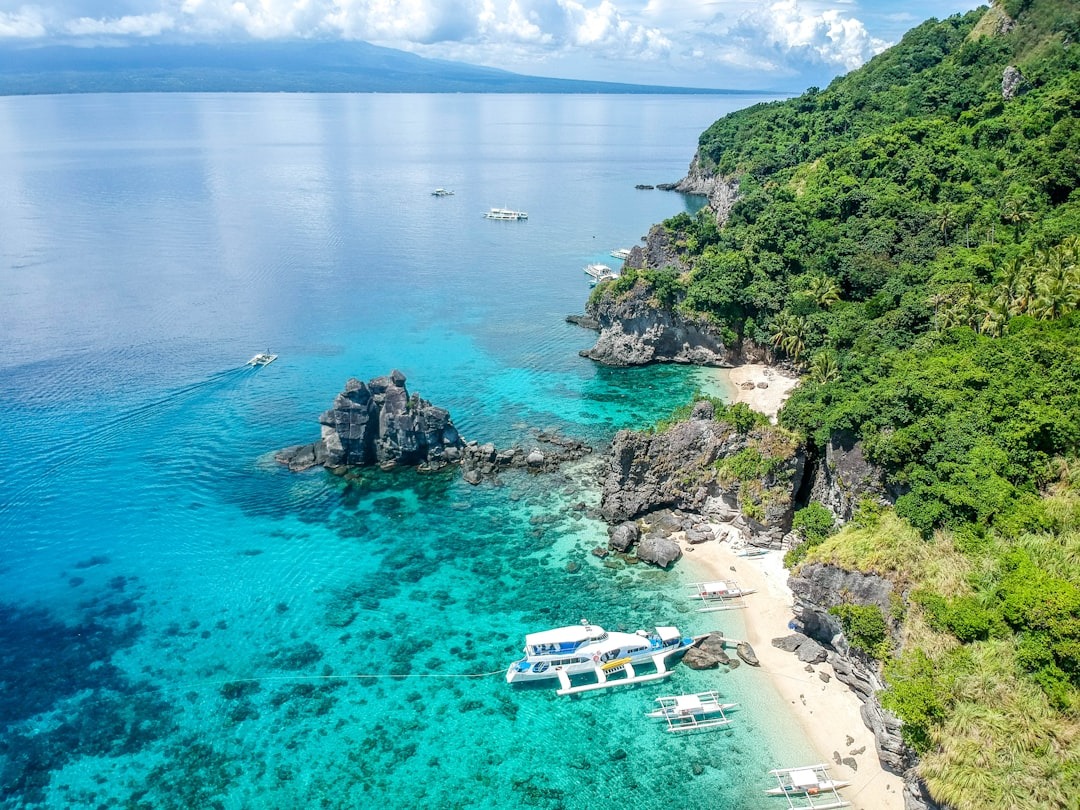
Dumaguete is a university city with a relaxed center, a coastal boulevard, and a rhythm that suits travelers who don’t want constant stimulation. It’s a good spot for a few days of decompression without the resort bubble.
The real power move here is pairing Dumaguete with Dauin. Dauin sits south of the city and is known for diving, including trips out to Apo Island. It’s one of the easiest places in the Philippines to do high-quality underwater days without complicated transfers.
Expect practical travel here. Tricycles, short rides, local restaurants, and days that are easy to adjust as you go.

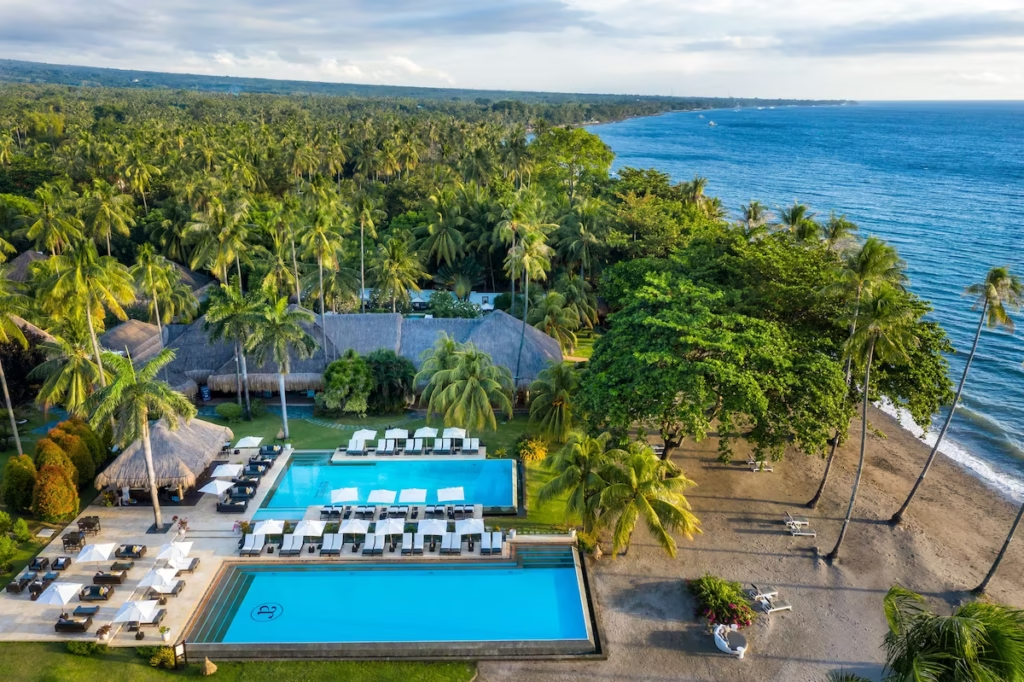
Atmosphere Resorts & Spa
Atmosphere is a full resort on the Dauin coast, built around diving, a spa, and a polished tropical layout. Expect large grounds, a strong pool setup, and enough dining on-site to keep things simple between excursions.
You’re in Dauin, which is the advantage. Apo Island trips and local dive sites are within easy reach, and Dumaguete City is still accessible by car when you want cafés and supplies. This location keeps the trip focused on the water without cutting you off from the city entirely.

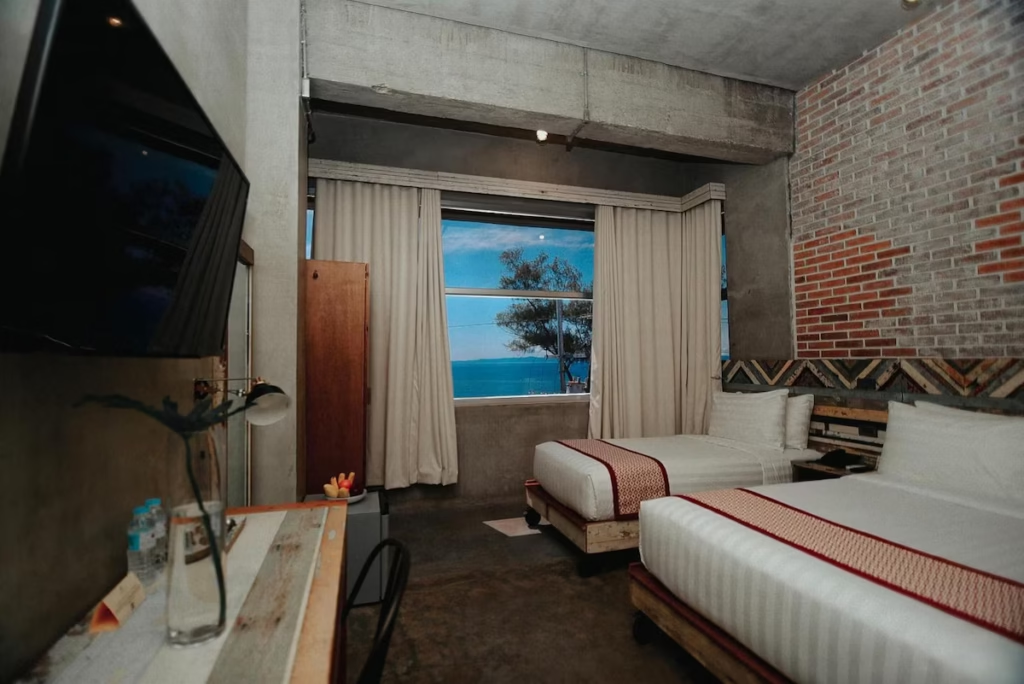
The Bricks Hotel
The Bricks is small, stylish, and urban, with rooms designed around clean lines and good use of space. It’s the kind of place that prioritizes sleep, simple design, and quick check-in over resort theatrics.
You’re close to Dumaguete’s central pockets, including the boulevard and the city’s food zone, which keeps evenings easy without planning. This is also a simple launch point for day trips out to Valencia or down toward Dauin.
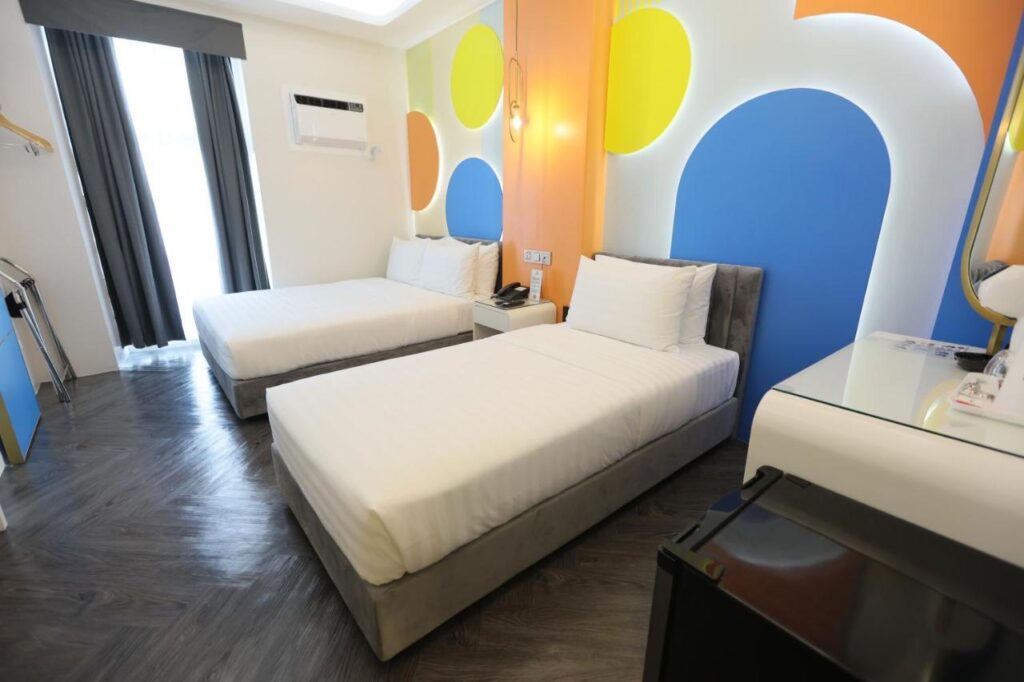
M.Y. Hotel
M.Y. Hotel is a modern city stay with a straightforward setup and a more contemporary style than most mid-city options. Rooms are clean and efficient, designed for travelers who want a sharp standard without going full resort.
It’s set close to Dumaguete’s main roads, which makes airport transfers quick and day trips painless. If your plan includes Apo Island, Valencia, and lots of short rides, this location keeps movement simple.
Siquijor. Quiet beaches and small-island clarity
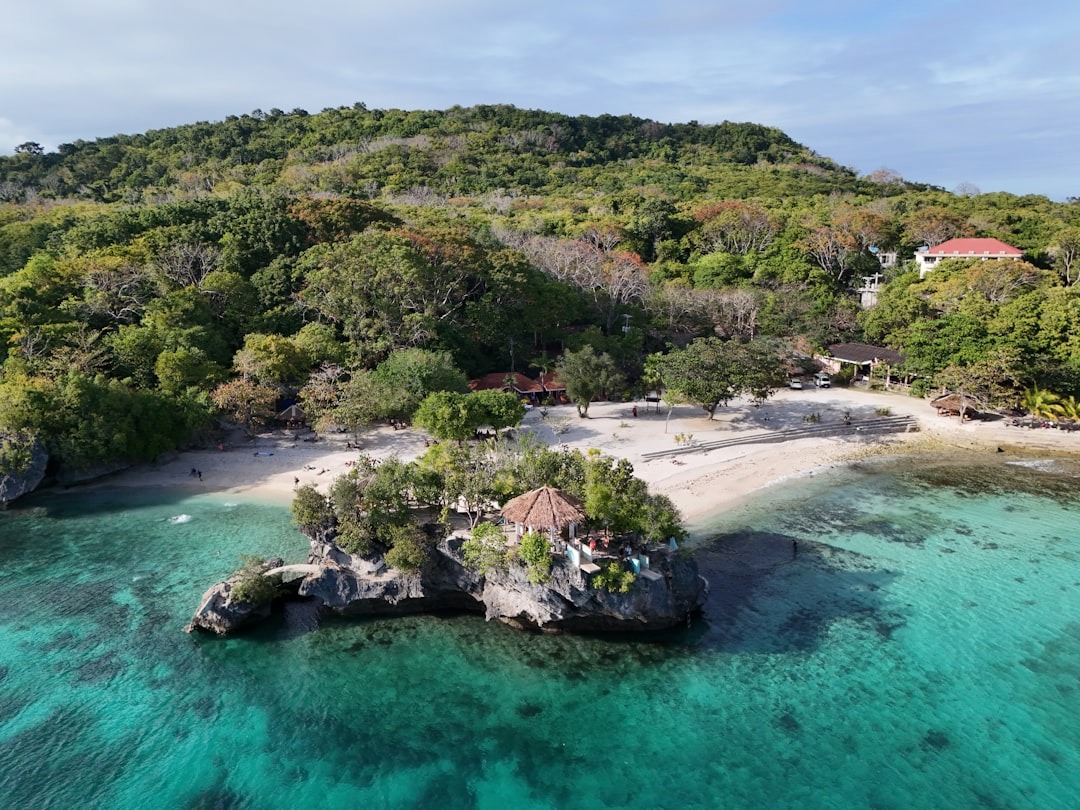
Siquijor is the antidote to busy travel. It’s small, green, and slow in the best way. Roads loop the island, distances stay short, and most of what you do here can be planned in half a sentence.
The island’s reputation leans mystical in pop culture, under the Spanish the island was called Isla del Fuego (Island if Fire) because of the millions of fireflies lighting its beaches at night, making it look engulfed in blue flames. but the reality is practical. Waterfalls, snorkeling, sunset coast roads, and low-key beach bars. It’s a place that rewards travelers who like days with fewer moving parts.
A soft landing here comes from choosing a hotel with its own shoreline or a view, because Siquijor is at its best when you don’t need to “go somewhere” to enjoy it.
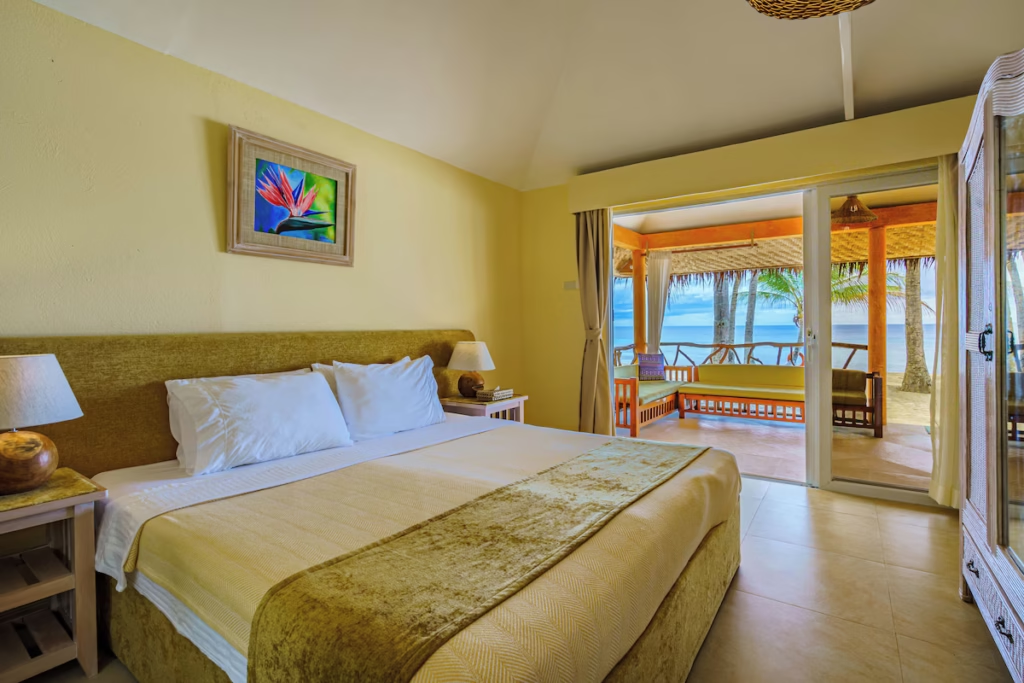
Coco Grove Beach Resort
Coco Grove is a full-feature beach resort with its own stretch of sand, cabanas, and multiple pools. It’s built for staying on-property without getting bored, with enough space between areas that it never turns into one long queue.
You’re in San Juan, the island’s main dining and beach zone, with short tricycle rides to restaurants and easy routes to the island loop. Apo Island trips typically run via Dumaguete, but local snorkeling and beach days are right here.

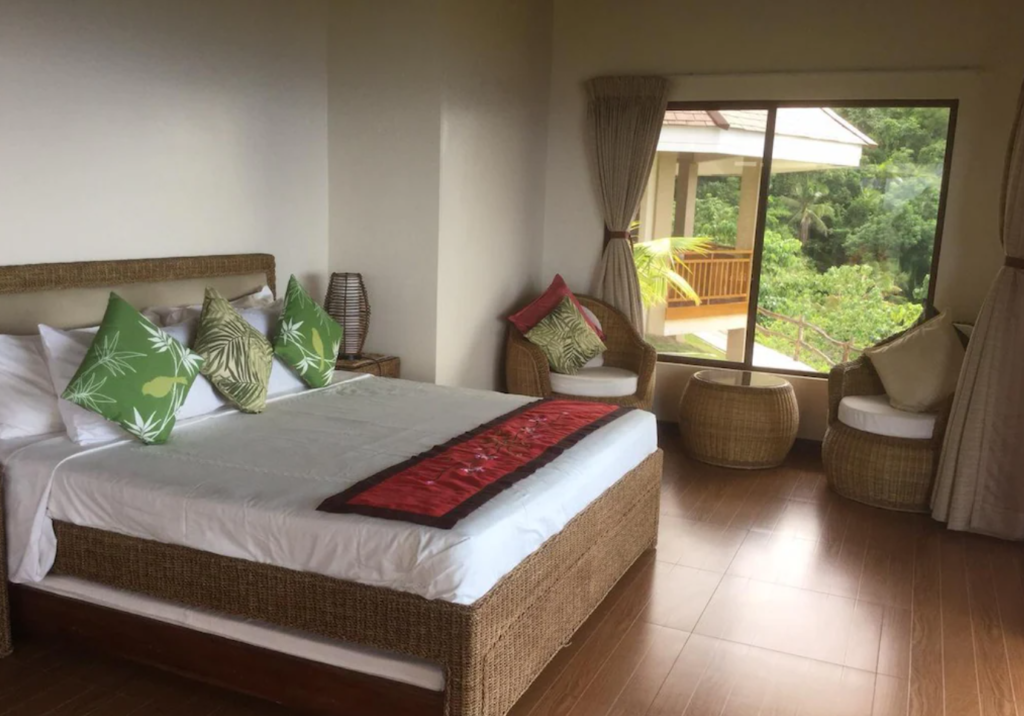
Infinity Heights Resort
Infinity Heights is a hilltop stay designed around wide views and quiet nights. The headline is the infinity pool and the open-air vantage point, which gives you Siquijor’s landscape without needing a beachfront address.
It sits above the main coastal road, which means a short ride down to the beach zone and restaurants, and a more private setting once you’re back on site. This is a good pick if you want scenery and sleep quality over being on the sand.

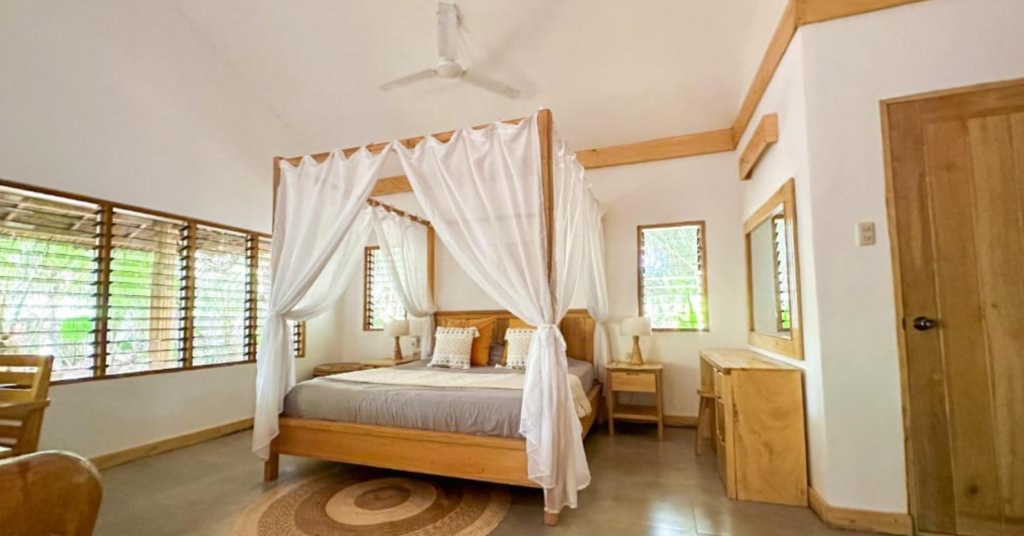
Mandala Tribe Treehouses
Mandala Tribe Treehouses leans into the jungle side of Siquijor, with elevated rooms and a more nature-forward layout. It’s not a resort. It’s a small, distinctive place that makes the stay part of the story.
You’re closer to inland sights like waterfalls and forest roads, with the coastline still reachable by scooter or tricycle. This location fits travelers who plan to explore the island loop and want something different from a standard beachfront strip.
Siargao. Surf energy with room to breathe

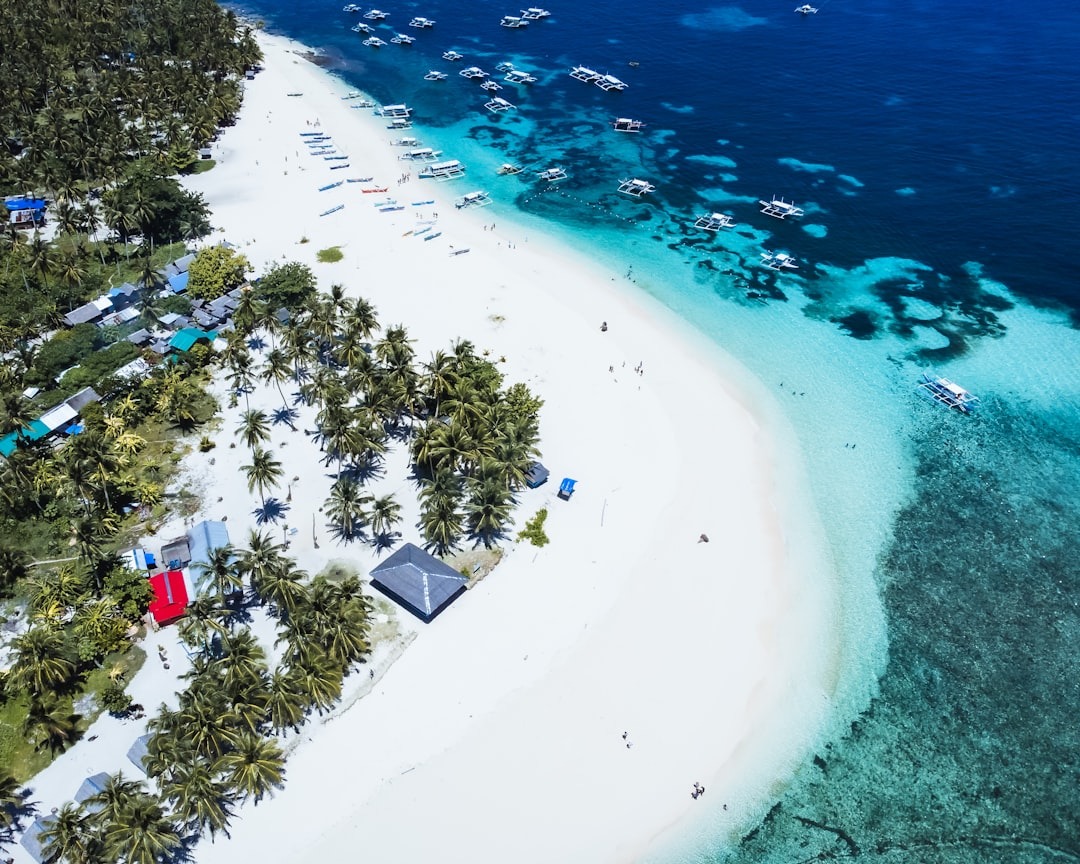
Siargao is surf-first, but it’s not only for surfers. The island has grown into a real travel hub, with good cafés, solid restaurants, and that mix of beach culture and long-stay expat comfort that keeps people extending their trips.
General Luna is the center of gravity. It’s where the restaurants cluster, where Cloud 9 sits nearby, and where most visitors want to be. The best hotels here understand that you’ll spend the day outside, then come back for a shower, a swim, and dinner without needing transport drama.
If you want a soft landing in Siargao, pick a property with direct beach access or a strong pool scene. The island is humid, you will swim, and it matters.

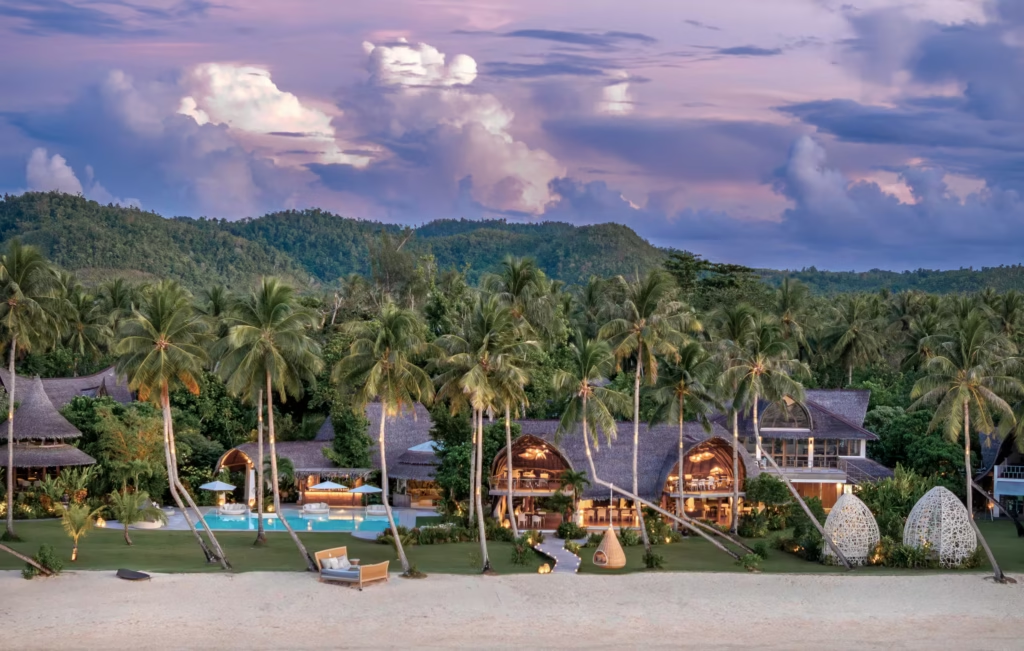
Nay Palad Hideaway
Nay Palad is the kind of resort the Philippines rarely does at this level. You’re looking at a tiny number of exclusive villas, a serious design concept, and a full-on luxury experience that’s built to remove friction from the trip.
It’s set outside the busiest General Luna strip, which keeps the surroundings quieter while staying close enough for a short ride into town. Surf breaks and island exploration are still within reach, but the property itself is a destination-grade stay

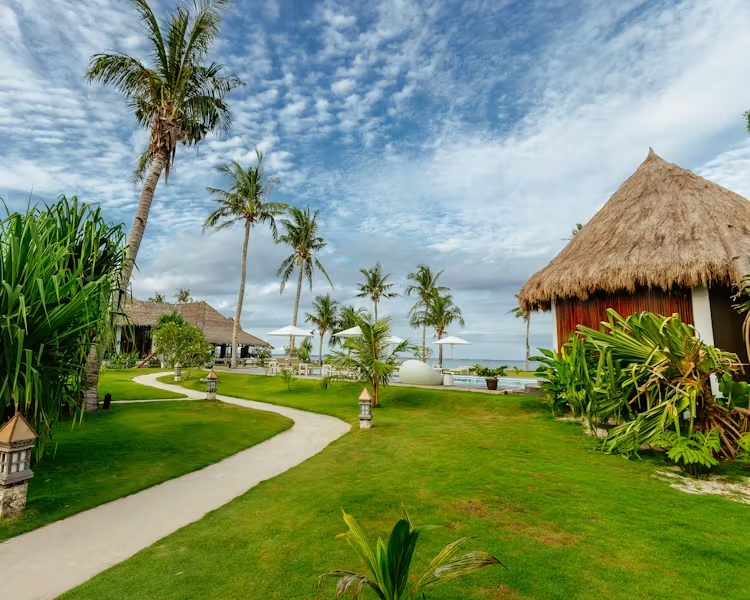
Isla Cabana Resort
Isla Cabana is a beachfront resort with a private beach area, an outdoor pool, and spacious villa-style rooms with balconies. It’s built for travelers who want a real resort setup without leaving General Luna’s main action behind.
Cloud 9 is around 3 km away, and the main restaurant stretch of General Luna is close enough to do on foot or by a quick tricycle ride. This location is the best part of the stay. You’re near the surf, near the food, and still sleeping by the water.

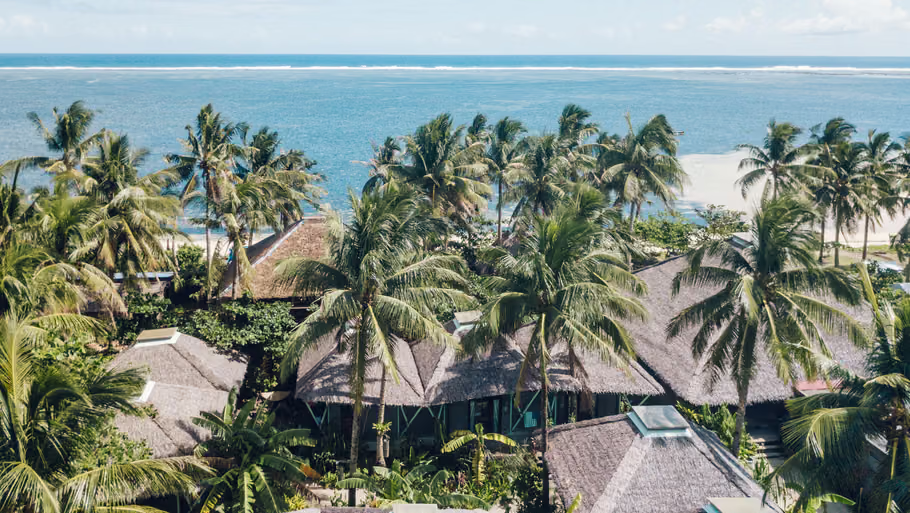
Bravo Beach Resort
Bravo is a smaller beachfront stay with a clean, modern setup and an on-site restaurant that’s genuinely useful. Rooms keep things simple, and the place is built around easy beach access and a social, relaxed layout.
You’re in General Luna, close to the main road where most of the island’s transport and dining sits. That keeps scooter rentals, cafés, and surf lessons within minutes, without needing to plan your day around long rides.
Boracay. The easiest beach holiday in the country
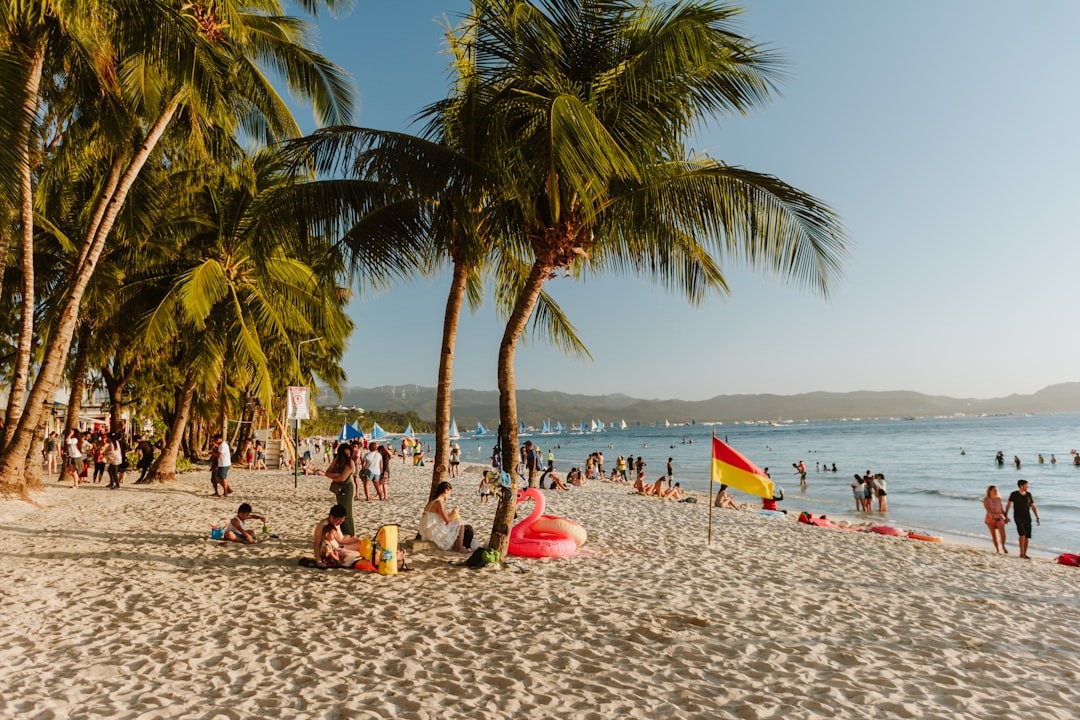
Boracay is busy because it’s good at what it does. White Beach is long, swimmable, and lined with hotels and restaurants that make a beach trip easy even if you’ve done zero planning. It’s one of the few places in the Philippines where you can arrive and immediately understand the whole setup.
The island is split into stations. Station 1 is quieter and more upscale. Station 2 is central and convenient. Station 3 runs cheaper and looser. Where you stay shapes the trip more than almost anywhere else in the country.
Boracay is also logistics-heavy on arrival. Transfer boats, short vehicle hops, and some waiting. A good hotel here helps with that, or at least makes the last leg worth it.
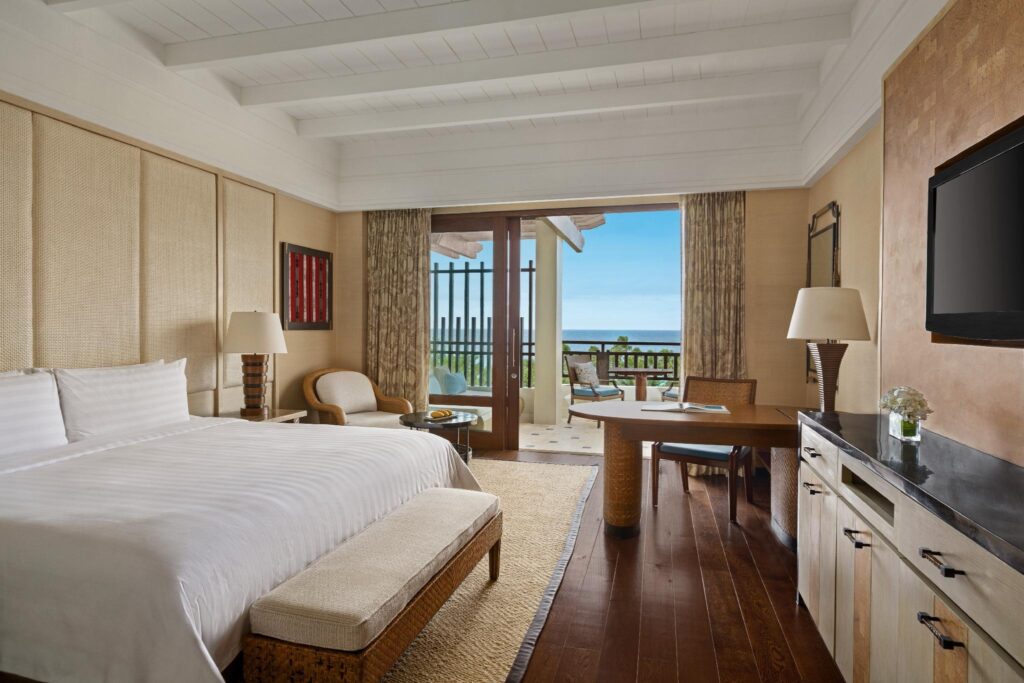
Shangri-La Boracay
Shangri-La Boracay is a true resort escape with its own private beach, beachfront pools, and a large-scale setup designed to keep everything in one place. The rooms are big, the grounds are lush, and the whole property is built around staying on-site without compromise.
It sits away from the White Beach crowds, with a short ride into town when you want restaurants and nightlife. This location is the point. You get Boracay’s best water and calm shore time, without living inside the busiest strip.
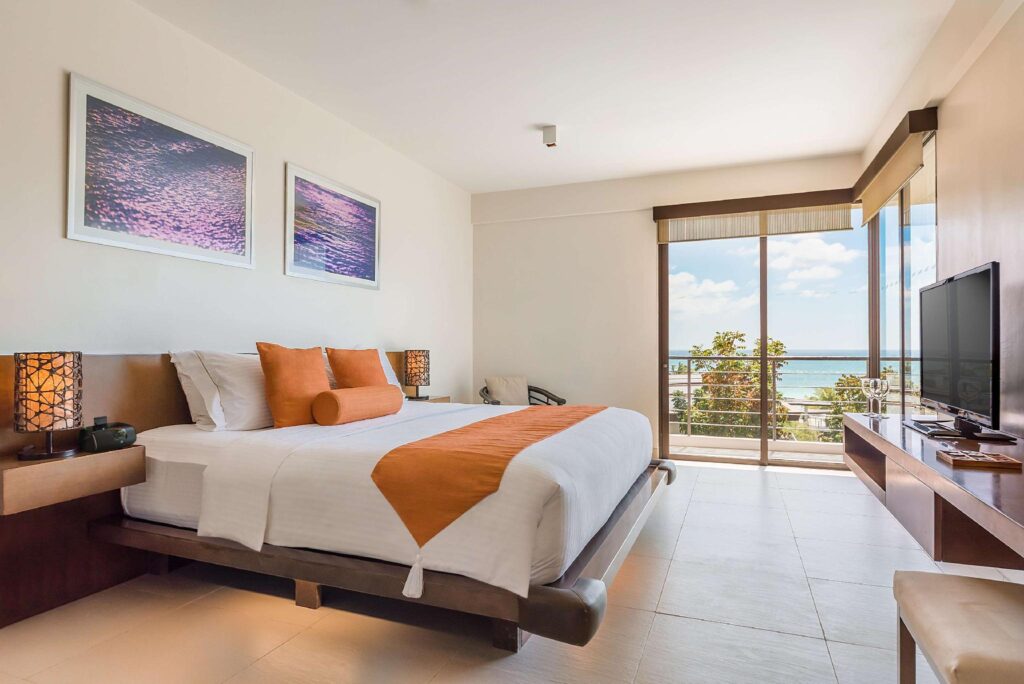
Discovery Boracay
Discovery is a Station 1 beachfront classic, with resort-level service, strong dining, and direct access to the calmest stretch of White Beach. It’s polished without being stiff, and it delivers the Boracay experience people picture.
Station 1 keeps things quieter while staying walkable to Station 2 when you want more restaurants and shopping. You can move down the beach on foot, then come back to a section that stays less chaotic at night.
Coast Boracay
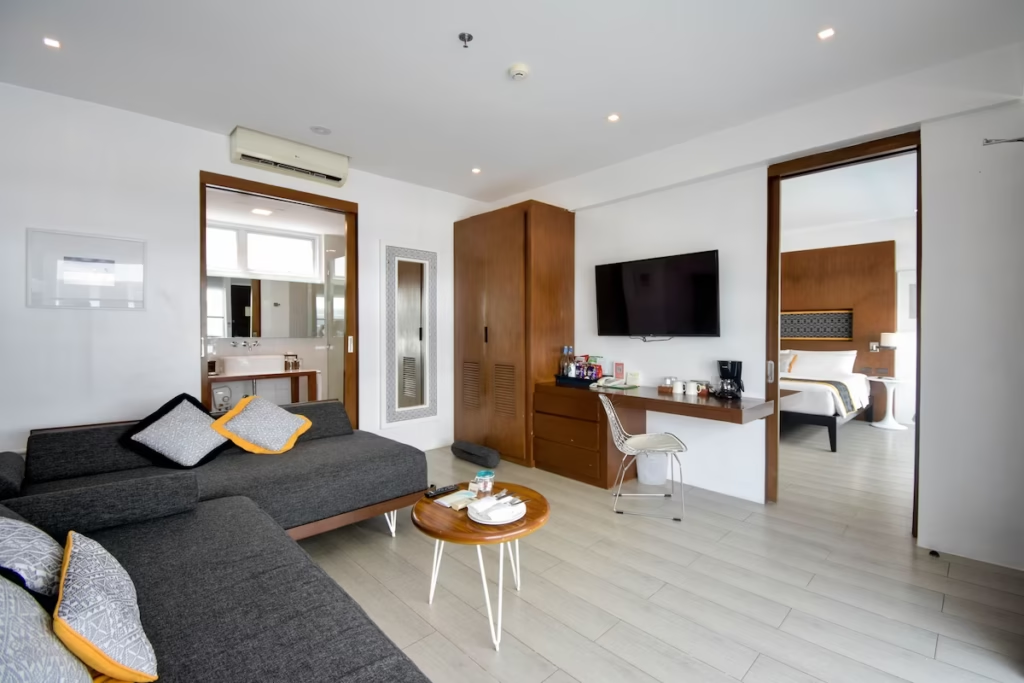
Coast Boracay is a modern beachfront hotel with a pool, a tight layout, and a service style that keeps logistics smooth, including a free airport shuttle. Rooms are contemporary and practical, and the hotel keeps the energy upbeat without turning into a party property.
You’re on Station 2, which puts you in the most convenient part of the island. Dining, bars, and water activities are right outside, and you can walk the length of White Beach without planning transport. This is Boracay on easy mode.
Outro
A soft landing in the Philippines is mostly a logistics decision disguised as a hotel choice. Choose the right neighborhood, pick a property with real sleep quality and real access, and the country becomes dramatically easier to travel.
Manila rewards precision. Cebu rewards choosing city or shore, and committing. Palawan rewards planning around ports and airports. The islands. Siquijor, Siargao, Boracay. Reward you for placing yourself close to the thing you actually came for.
Do that, and the Philippines stops being intimidating. It becomes what it’s meant to be. A chain of great days, linked together by good decisions you made early.