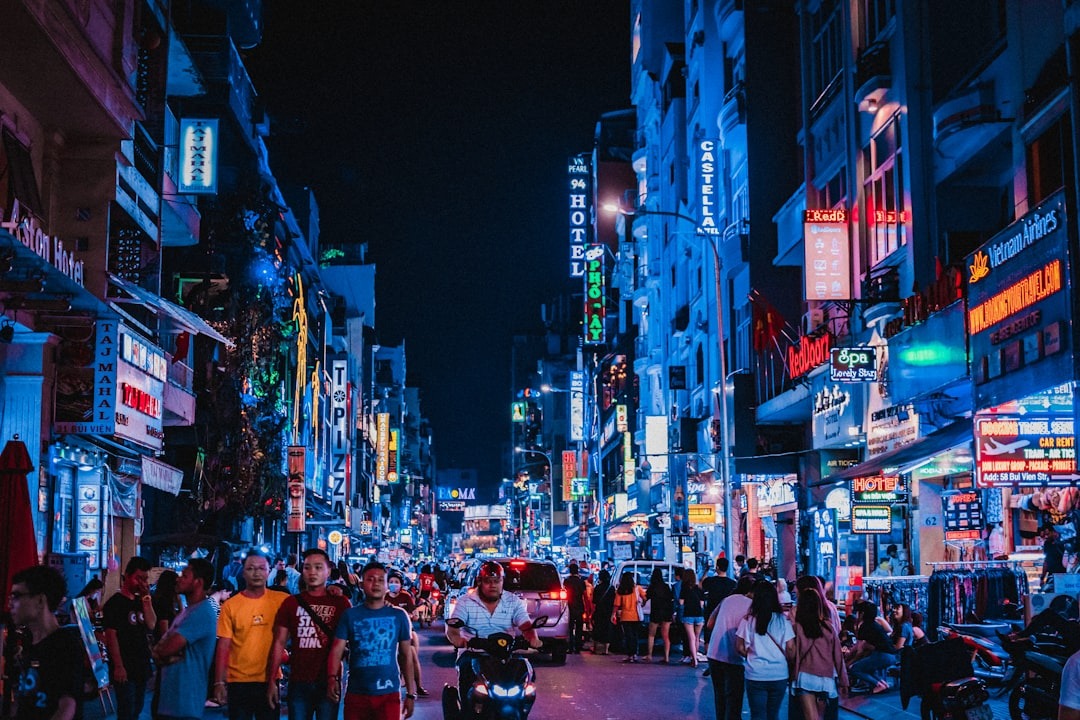
Ho Chi Minh City is a food paradise that grew out of myriad traditions. People coming in from the Mekong Delta with rice and fruit based dishes. Merchants carrying noodles and technique down from southern China. French colonial habits leaving behind wheat bread, pâté, and the café culture. Even the city’s most famous sandwich, bánh mì, is built on that collision. A French baguette, rebuilt for Vietnamese hands, packed with herbs, pickles, and pork in a way that feels like street food and history in one bite.
The southern table has its own accent. It likes sweetness, not as dessert, but as balance. Fish sauce often lands with a little sugar. Coconut milk shows up in desserts and sweet soups, especially in the south and the Mekong, where coconuts are part of daily agriculture and daily appetite. Chè culture is the clearest proof. Layered iced bowls like chè ba màu mix beans, pandan jelly, coconut milk, and shaved ice into something that is both snack and a relief from the heat.
Some dishes feel like the city’s biography written in starch. Cơm tấm starts with broken rice from the Mekong Delta, once treated as inferior grains, then adopted and upgraded in Saigon until it became a badge of the south. The plate is a full argument. Charcoal pork. Pickled vegetables. A sweet-sour fish sauce on the side, built to wake everything up.
Then there are the noodles that show you how porous this place is. Hủ tiếu, a southern Vietnamese pork and seafood noodle soup, comes from Teochew roots, and Saigon made it its own, especially from the 1960s onward. The Nam Vang version is the tell. “Nam Vang” points to Phnom Penh, and that Cambodian thread is part of why the bowl feels so layered. Pork broth, herbs, crunchy garnishes, and toppings that can vary from shrimp to tempura vegetables depending on where you eat it.
Coffee belongs in the same sentence as food here, because it holds the same place in culture and social life. The phin filter is a small piece of metal, slow-dripping, producing coffee that is strong enough to stand up to condensed milk without disappearing. Cà phê sữa đá, as vietnamese coffee is known locally, is not a beverage on the side. It is a daily ritual and a sugar hit with enough caffiene to cure every jetlag I’ve ever had.
Dessert in Saigon is rarely a single note. You get French influence reframed through local ingredients. Bánh flan takes the logic of crème caramel and leans into condensed milk in a tropical climate, often with coffee as a natural companion. You get old-school sweet soups too. Chè bà ba, for example, is coconut milk with chunks of taro, cassava, and sweet potato. Warm or cold, depending on the mood of the street stall and the weather.
Food traditions in the city are not always formal, but they are real. In Chợ Lớn, the Chinese-Vietnamese side of Saigon, winter solstice crowds still line up for glutinous rice balls in sweet soup. A small seasonal ritual, repeated enough times to become a map. You can taste how festivals and daily life overlap here, because the city eats its calendar.
In Style and Luxury, every whim catered to

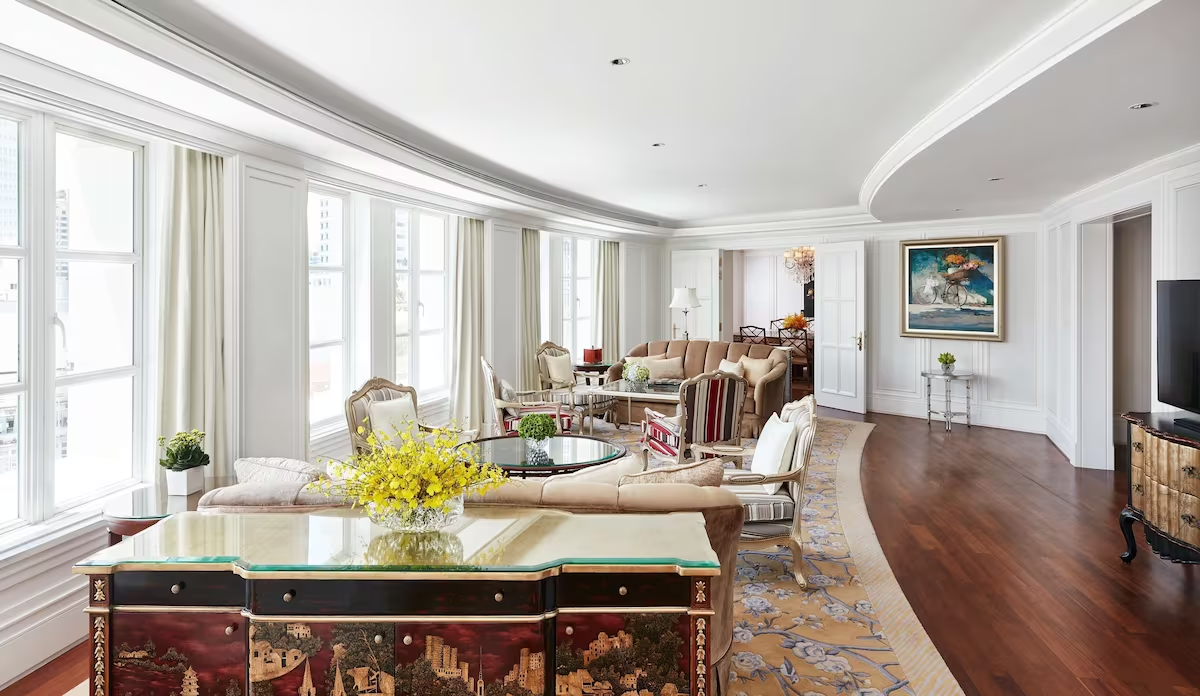
Park Hyatt Saigon
Saigon’s grand, old-school address on Lam Son Square, with the kind of polish you notice before you reach the lifts. You’re getting a proper wellness setup with Xuan Spa, a 24-hour fitness centre, and an outdoor pool set in a garden courtyard. Dining is part of the point here, not an afterthought. Opera covers Italian. Square One does Vietnamese and French. Park Lounge runs a full afternoon-tea rhythm that feels very District 1.
Lam Son Square is the city’s cleanest luxury bet. You’re directly by the Opera House, and Dong Khoi’s boutique strip starts basically at the corner. That placement matters because you can do “nice dinner, easy taxi home” without turning it into a project. It’s central, but it doesn’t feel like you’re sleeping on top of the noise.
For eating, this is a two-speed setup. You can stay inside the hotel ecosystem and still feel like you’re getting real Saigon, because Square One’s Vietnamese side is truly phenomenal. Then you step out and you’re in the most restaurant-dense part of District 1, with hotel bars, chef-driven restairants, and the city’s “let’s just grab something good right now” options stacked along the Dong Khoi, Le Loi, and Nguyen Hue grid.

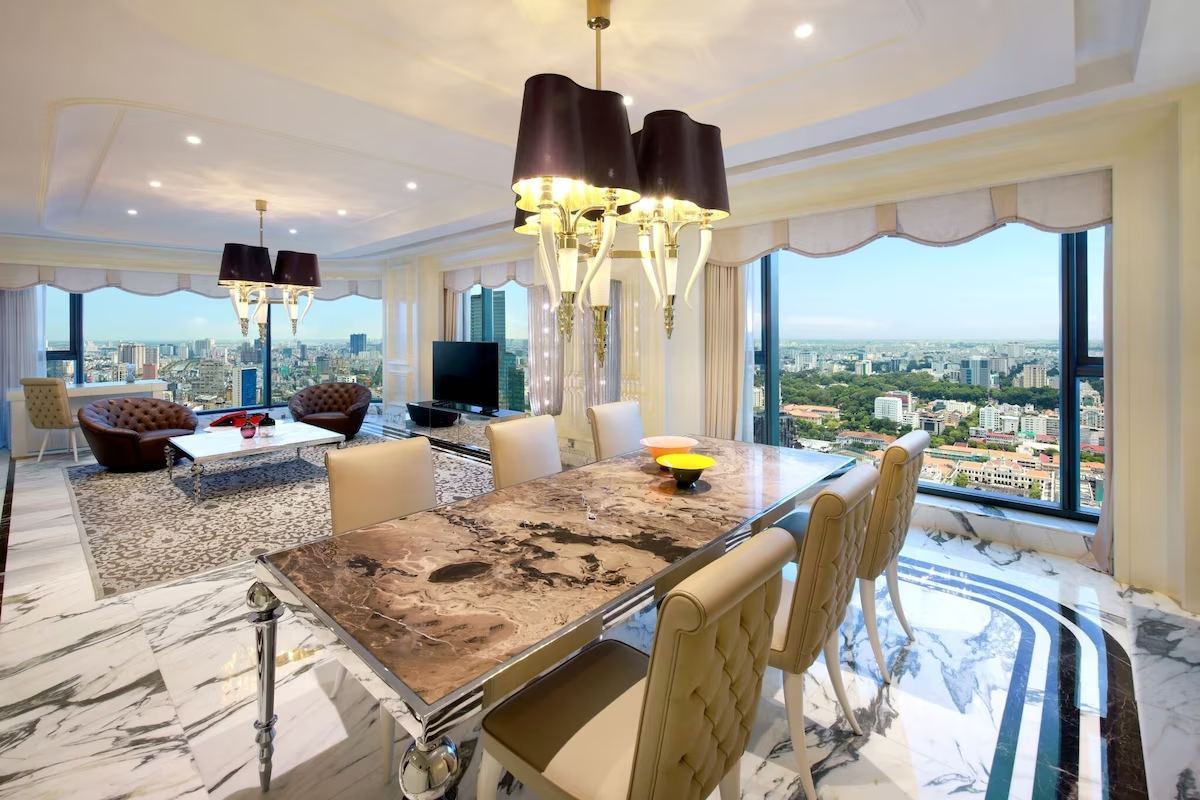
The Reverie Saigon
This is Saigon at full volume, in a glamorous high-rise package. Interiors go big on Italian design and dramatic public spaces, and the facilities match the price tag with a serious spa and pool setup. Rooms are made for looking outward. Big city views, thick materials, and a sense that the hotel is trying to be a destination, not just a place to sleep.
In my opinion, Nguyen Hue is the most useful address in District 1. The reason is simple. You’re planted on the city’s main pedestrian spine, with Dong Khoi a short walk away and taxis everywhere at all hours. It’s one of the few places in Saigon where you can step out and immediately have options in every direction.
Food-wise, you’re sitting on a conveyor belt of choices. Nguyen Hue is café territory and late-night snacking territory. Le Thanh Ton’s Japanese strip is close enough to use casually, so sushi, ramen, and izakaya-style dinners are easy without planning. You can do a serious meal, a lazy dessert, and a final drink, then be back upstairs fast.

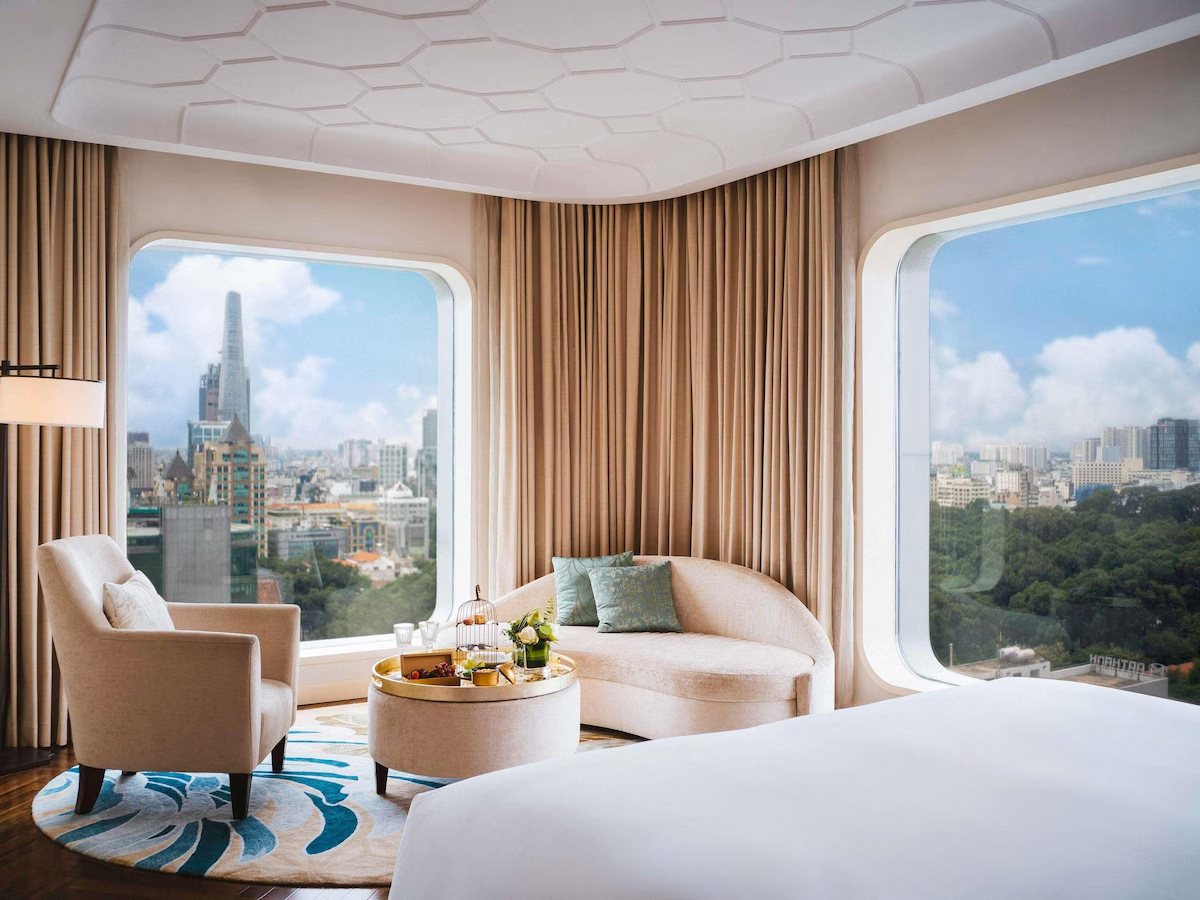
Hôtel des Arts Saigon
A stylish, art-first stay with a rooftop personality. The calling card is its height. A rooftop pool, a rooftop bar, and public spaces that feel truly curated. Rooms skew sleek and city-facing, and the overall tone is more boutique than grand. You still get proper hotel facilities, not a “design hotel” with one token amenity.
I’d call this the sweet spot between District 1 convenience and District 3 character. You’re on Nguyen Thi Minh Khai, which makes the cathedral-and-post-office zone walkable, but you also have District 3’s everyday dining within easy reach. It’s the kind of placement that lets you eat locally, then slide back into the city’s sightseeing core without crossing the whole map.
If you’re here to eat, this is a strong bridge between scenes. District 3 is good at daytime Vietnamese classics, casual rice places, and long café hours. District 1 is good at everything polished and late. From this address you can do a street-level lunch that feels real, then a grown-up dinner with cocktails after, without spending your life in traffic.
Comfortable, Convenient, without breaking the bank
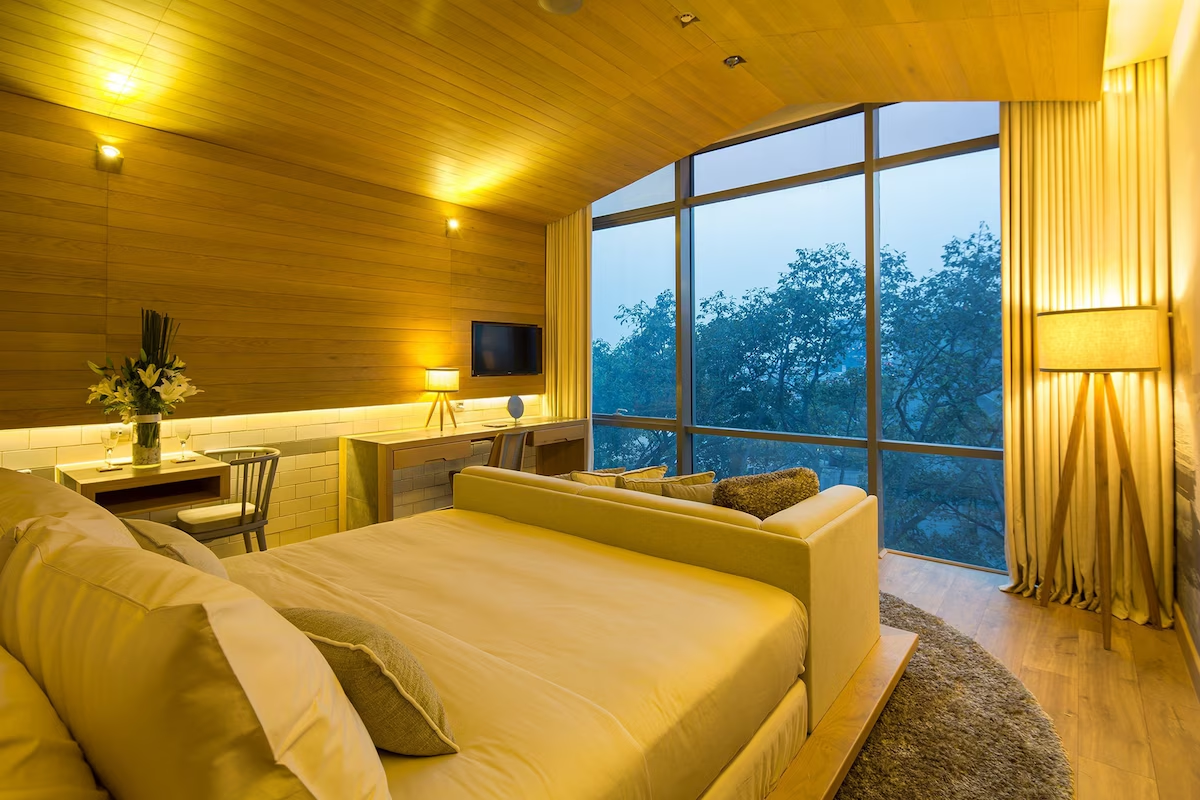
Fusion Suites Sai Gon
A modern all-suite hotel that treats space like a feature, not a luxury add-on. Many suites come with an integrated kitchenette and a lounge area, plus floor-to-ceiling windows in multiple categories. Wellness is part of the brand DNA here, with a dedicated spa on-site. It’s a deisign hotel, but it’s not pretentious about it.
For me, this is one of the smartest “walkable” addresses in District 1. It sits by one of the city’s older parks, and Ben Thanh Market is a realistic walk from the front door. That matters because you can access everything on foot The streets around here also have enough everyday services to keep you close and never bored.
For eating, the suite setup is useful. You can bring back fruit, snacks, late-night bánh mì, whatever, and actually have somewhere to put it that isn’t a bedside table. Then you can head out again and keep the city’s greatest strength working for you, which is density. Markets, casual Vietnamese, and District 1’s mixed bag of modern restaurants are all in range without committing to a long haul.

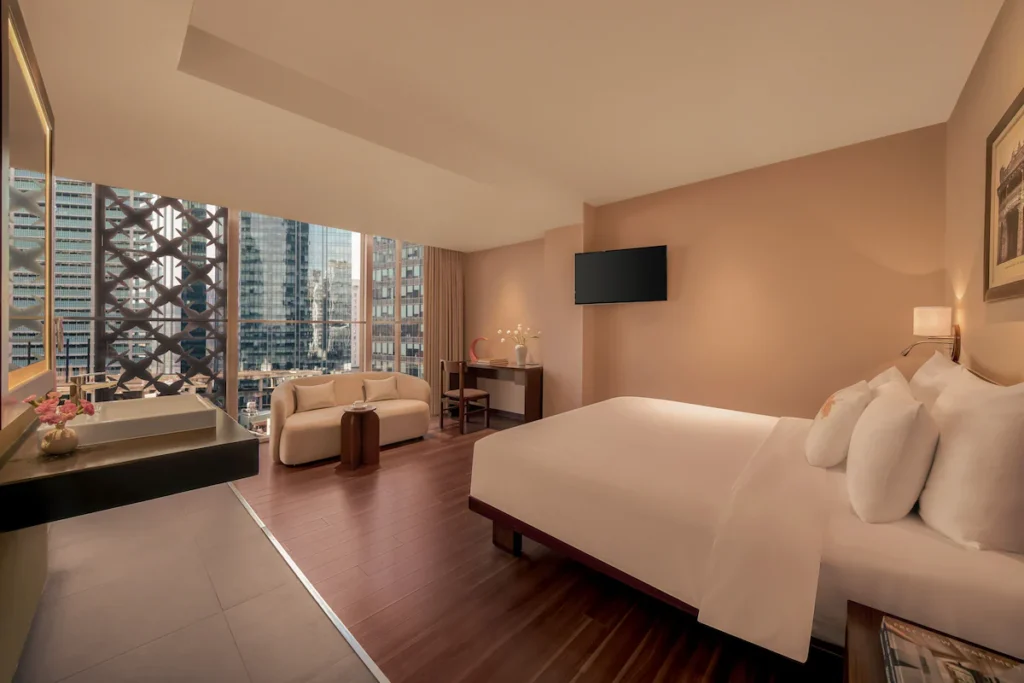
Silverland Sakyo Hotel
A Japanese boutique hotel in the part of District 1 where Japanese dining is the obvious move. It has a rooftop pool and wellness extras that are more “end-of-day recovery” than just a decorative gym. Rooms are compact but well-finished, with a tone that fits the neighborhood. Clean lines, controlled lighting, and a quieter feel than the bigger high-rises.
Le Thanh Ton is Saigon’s premier dinner street. The reason is concentration. Japanese restaurants, small bars, and late-night bites stack up in a tight radius, so you can eat well without crossing the city. You also stay close to Dong Khoi and the Opera House zone, so the classic District 1 loop stays simple.
For food lovers, this one basically hands you a theme. Sushi, ramen, yakitori, and izakaya comfort are the obvious headline, but the bigger win is how quickly you can switch gears. You can do Japanese one night, Vietnamese the next, then go back to “just grab something good” mode without needing transport planning. It’s a dense little ecosystem.

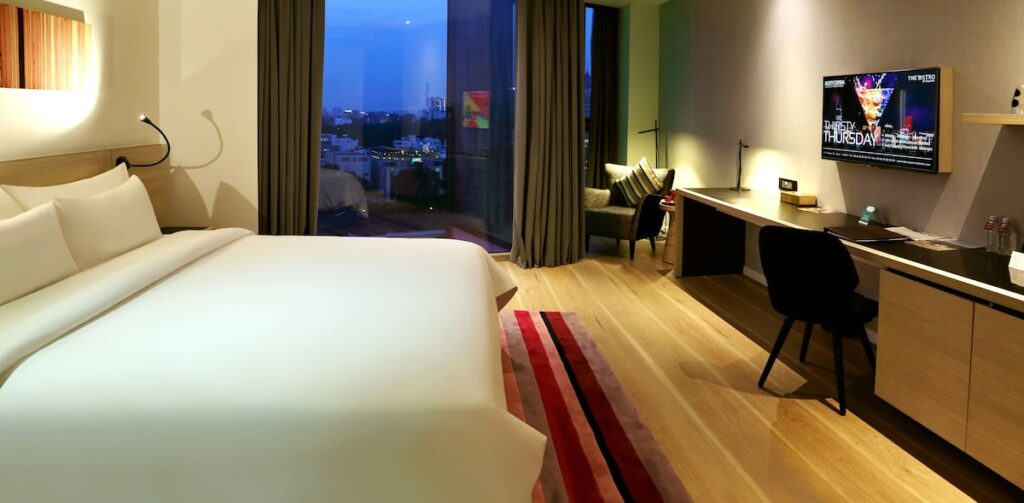
Liberty Central Saigon Citypoint
A central, business-district high-rise that makes the city feel organized. Rooftop pool and rooftop bar. Gym on-site. The unusual extra is the cinema complex in the building, which is a very Saigon way to take a break from heat and traffic without leaving the neighborhood. Rooms are modern, straightforward, and set up for sleep more than spectacle.
In my experience, this is one of District 1’s most convenient corners. It sits at Pasteur and Le Loi, which puts you right on the city’s main shopping-and-dining grid. Takashimaya and Union Square are right there, so food courts, cafés, and sit-down restaurants are stacked into a few blocks.
For eating, you’re in that rare zone where you can get three different meals a day everyday on foot, and never run out of options. Breakfast can be a quick Vietnamese coffee-and-bánh-mì run. Lunch can be a mall food hall or a street stall. Dinner can be anything from local classics to dressed-up places around Dong Khoi and Nguyen Hue. Then you can finish with a rooftop drink without leaving the building.
On a budget, because everyone deserves to eat their way through this increadible city.

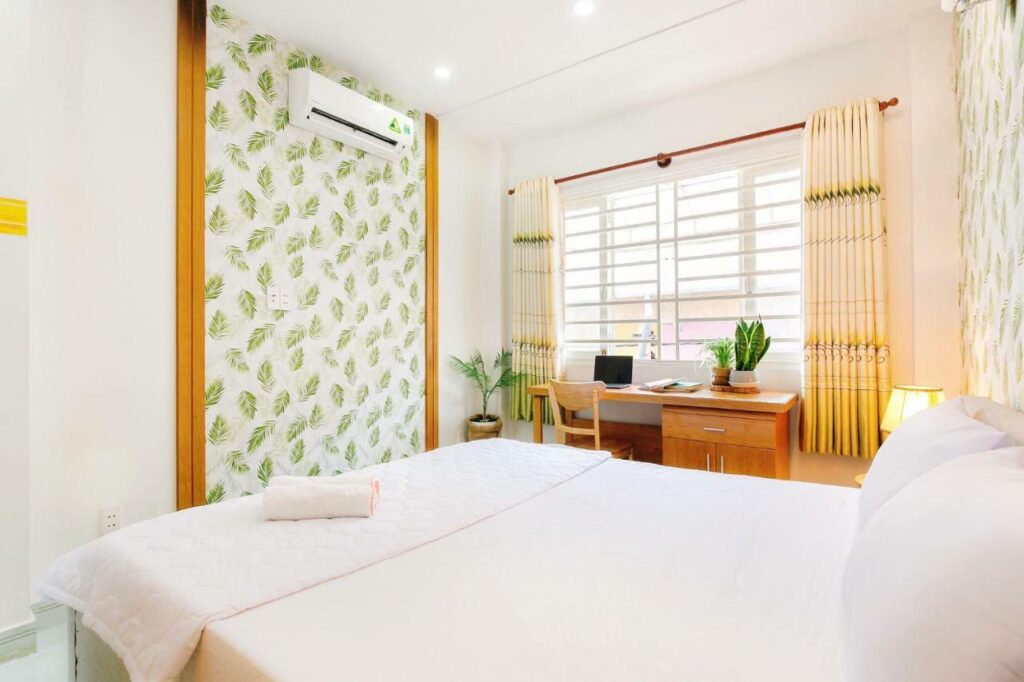
Qcub1 Homestay
A small, modern homestay-style place that focuses on the stuff people actually use. Soundproofing is part of the pitch, which matters in this city, and several units come with kitchenette-style setups. The look is simple and clean, with an “apartment but serviced” feel instead of hostel energy. It’s the sort of place you pick when you want independence without chaos.
This is the “good side” of central Saigon to sleep in. The reason is that you’re close to the core, but you’re not planted right on the loudest nightlife strip. That keeps thigns calmer, while still letting you walk into busy areas when you want them.
For food, the homestay format helps. You can bring back fruit, drinks, late-night snacks, and store them like a normal person. You’re also well-positioned for District 1’s daytime eating, which is where Saigon shines for visitors. Markets, street-food clusters, and casual Vietnamese places are easy to stitch together without long rides.

Luala Home
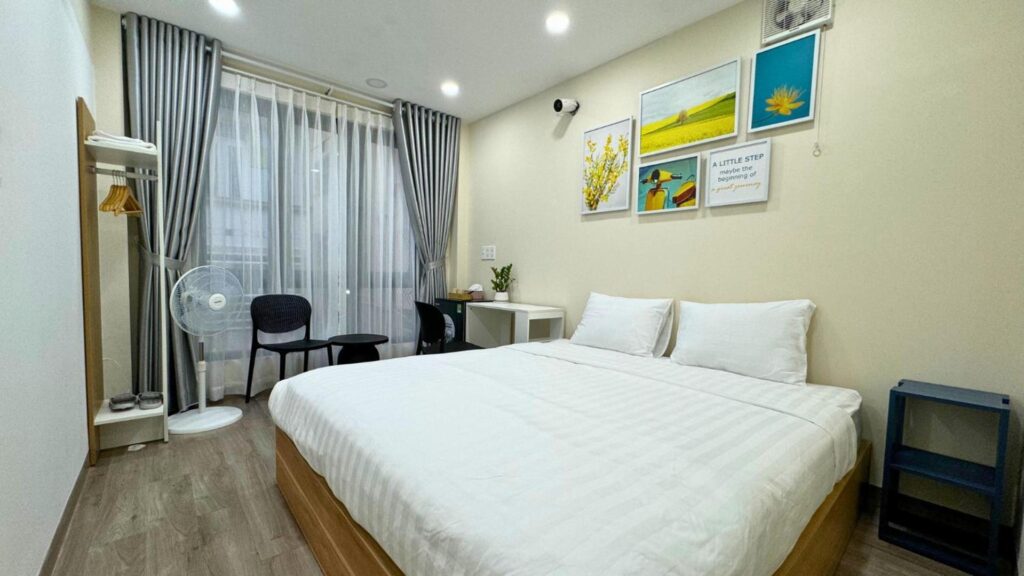
A compact guesthouse-apartment setup in the Da Kao side of town, where cafés and local restaurants feel more lived-in than tourist-facing. Rooms skew practical and home-like, with a focus on clean finishing and the basics that make longer stays comfortable. It’s not flashy. It’s functional in the good way.
I’m a fan of Da Kao when food is the main mission. The variety is unbeatable. You’re close enough to District 1 to drop into the big-ticket places, but your immediate streets offer more local places, with smaller restaurants, street food, and daytime cafés that don’t exist for tourists alone.
For eating, this area is good at the in-between meals. Coffee, light lunches, bakeries, and the sort of casual Vietnamese spots you walk into because they smell right. Then you can hop into the District 1 grid for a bigger dinner when you want it. It’s a nice balance between “I’m traveling” and “I live here for a week.”
Vy Khanh Guesthouse
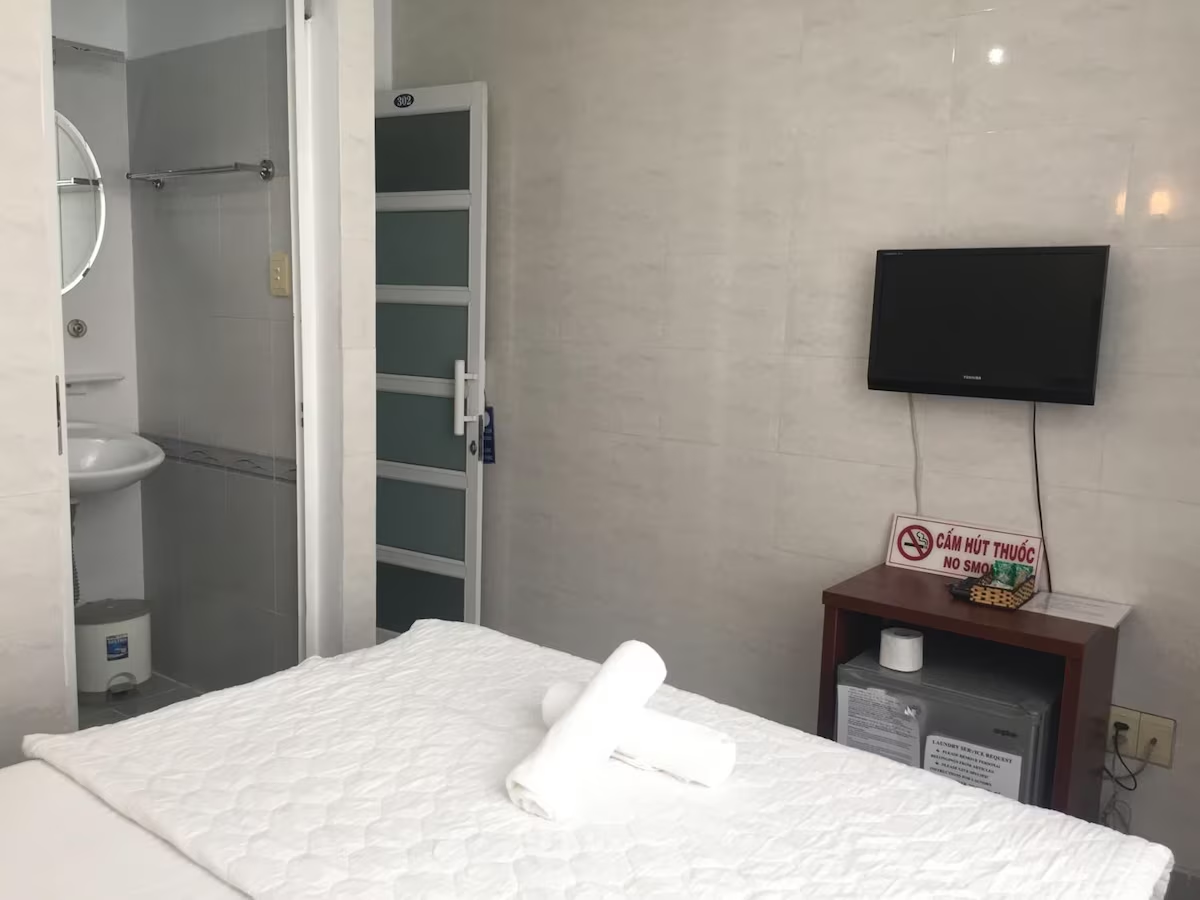
A family-run guesthouse with a reputation for being straightforward and well-managed. Rooms are simple, but you get private bathrooms and the basic comforts that matter in Saigon, like reliable air-conditioning and a room that feels secure. It’s a small place with a personal tone, not a corporate hotel machine.
The Pham Ngu Lao area is still great when you’re here to eat. it’s the sheer density. Cheap local meals, international options, juice stands, and late-night street food all pile into the same few streets. You can land in the area and eat 6 snacks before even getting to the hotel.
Food-wise, this is the “no gaps” zone. You can do quick Vietnamese staples during the day, then shift into late-night mode without leaving the neighborhood. When you want to upgrade, District 1’s main restaurant grid is close enough to reach fast, then you’re back in a part of the city that stays active until you’re done for the night.
Final Thoughts
Ho Chi Minh City spoils you, then it follows you home.
If you asked me what I would chase first, it would be a plate of cơm tấm that smells like charcoal and fish sauce, with the pickles doing their little job and the rice soaking up everything like it was made for it. Then a bowl of hủ tiếu Nam Vang on another day, because that mix of pork broth, and herbs, is exactly the kind of Southeast Asian overlap that I love for breakfast.
What I miss is the city’s casual excellence. The way a “quick meal” can still be composed of real technique and real balance. Sweet, salty, bitter, fresh, hot. Nobody lectures you. The bowl does the talking. Some of the best food I’ve ever had is bowls of soups whose names I don’t even know in little Vietnamese street stalls, served with fresh bread.
If I had to end on one thing, it would be something cold and sweet, because Saigon always makes room for that. Chè ba màu with coconut milk and shaved ice, or a bánh flan that tastes like colonial history turned into comfort. Then coffee, slow-dripped through a phin, because the city does not just feed you. It keeps you awake enough to want another bite.